alcohol-free liquor
Alcohol-Free Spirits are vying with. Traditional spirits in the UK The Must-Read Showdown for the health-conscious drinker!
In recent years the world of alcohol is witnessing a radical change. With more people focusing on their fitness and overall health, the demand for alcohol-free alternatives is increasing. Here in the United Kingdom, this trend has morphed into the fierce battle between alcohol-free spirits and traditional alcohol.
How to Understand the Shift
Alcohol-free spirits, often called “non-alcoholic” as well as “alcohol-free” alternatives, have become increasingly popular among those who want the most healthy and mindful drinking experience. They are designed to capture the essence and flavors of traditional spirits with no alcohol levels.
But what’s driving this move out of the traditional alcoholic beverages? It’s a mixture of factors. People who are health conscious are becoming conscious of the negative effects of excessive alcohol consumption on their health. This has led to an increase in demand for alternatives that provide an enjoyable experience of drinking a classic cocktail without the drawbacks of alcohol.
The Alcohol-Free Spirit Phenomenon
Defining Alcohol-Free Spirits
Alcohol-free spirits have been crafted with the utmost precision, combining botanicals with spices, and herbs in order to create a complex and tasty drinks. They are meticulously distilled in order to get the essence of these ingredients, and deliver a superior taste that can rival traditional spirits.
In the Ingredients, and the Process
The making of alcohol-free spirits can be described as a delicate art. Producers carefully select botanicals spices and herbs, usually sourced from all over world, to create an interesting and unique flavor profile. These ingredients are then mixed with water and distilled making a concentrated liquid that is a reflection of the selected elements.
The rise in Popularity
In the UK, alcohol-free spirits have seen an explosion in popularity, thanks to a flurry of innovation within the beverage industry. Leading brands have come up with an array of spirits that are alcohol-free, catering for various tastes and preferences. This diversity makes it easier for consumers to make the switch in the direction of classic spirits their alcohol-free alternatives.
Why do people choose to go for spirits without alcohol? It’s not just about health. These drinks can be a powerful platform for mixologists to create stunning alcohol-free cocktails. They have become an emblem of sophistication and choice catering to people who wish to have an alcohol-free drink without the content.
In the next article in the next section, we’ll look into the tradition of traditional spirits, looking into their rich heritage and cultural significance throughout the UK. We’ll also look at the main difference between traditional spirits and alcohol-free spirits to help you make an informed choice for your next drink.
Follow us while we take your on thrilling journey through the areas of traditional spirits and alternative drinks that are alcohol free.

Traditional Spirits: a Look into England’s Liquid History
In the beautiful pubs, intimate bars, and luxurious cocktail lounges of the United Kingdom, traditional spirits remain a significant part of the country’s culture and heritage. Whether sipped straight or mixed into classic cocktails, these time-honored drinks have a long and rich time-line that spans centuries.
The Legacy of Traditional Spirits
A Whiskey Tale
The most famous and revered traditional spirits is whiskey. It’s pronounced “whisky” and “whisky” in the UK. Scotch whisky particularly has gained worldwide recognition due to its delicious flavors and its long-standing craftsmanship. The earliest traces of Scotch whisky go as early as the 15th century, which makes it among the oldest distilled drinks in the world.
Gin: From Medicina to Mixology
Gin, a cherished traditional spirit, has an interesting history in the UK. It was originally developed to treat ailments however, it became extremely popular in the late 18th century when it became the basis for the famous cocktail, the Gin and Tonic. The juniper-infused spirit has since been an integral component of mixology and offers a wide variety of flavors that botanicals can discover.
It is the Art of Distillation
The Distillation Process
Traditional spirits like vodka, whiskey, gin and rum are created through a meticulous process known as distillation. This process involves heating fermented substance to create in vapor, before cooling it down to condense the to a liquid form. The result is a concentrated alcoholic spirit that preserves the distinctive flavors of the ingredients involved in the fermentation.
The Role of Aging
Aging is an essential aspect in the production of traditional spirits, particularly with respect to whiskey. The whiskey is usually matured in wooden barrels, mostly oak, over a period of years. Over the course of this time, it undergoes chemical changes that give it distinctive aromas, flavors, and a smooth finish.
Tradition and Innovation meet
Traditional spirits are able to hold their place in the hearts of a lot of UK citizens, the drinking landscape is changing. The rise of alcohol-free spirits have brought fresh perspectives to the world of beverages, challenging the conventions regarding what a good spirit could be.
In the next section we’ll look at the most important differences between alcohol-free spirits and their more traditional counterparts. We’ll explore the flavor profiles, versatility, and health aspects that distinguish them from traditional spirits. If you’re an avid drinker of traditional spirits, or a newcomer, knowing these distinctions can help you make informed choice about which to consume on your next outing.
Join us for a journey through the fascinating crossroads of tradition and modernity in the field of spirits. In Section 3, we’ll investigate the fascinating realm of spirits that are alcohol-free within the UK.
Direct Deals for Discerning Businesses: Swedish Distillers Offers Premium Alcohol-Free Spirits!
Participating in The Alcohol-Free Revolution: Spirits for the Next Generation
While the sunset sets across the UK’s bustling cities and tranquil countryside, a quiet revolution is happening in the world of spirits. While traditional spirits like whiskey and gin have long been adored by this British alcohol scene a new competitor has emerged, poised to alter the way we drink – alcohol-free spirits.
A Sobering Shift in Perspective
Sobriety Movement Sobriety Movement
In recent years, the sobriety movement is growing in the UK and in other countries. Many people are now seeking alternatives for drinking alcohol, which allow people to enjoy the social aspect of gatherings with no effects of intoxication. This change in culture has paved and opened the door to growth and popularity.
It’s a Question of Health
The health-conscious consumer is making a push for alternatives that do not contain alcohol. A lot of people are worried about the harmful consequences of alcohol consumption, including liver damage and a higher chance of developing certain illnesses. Alcohol-free spirits allow you to enjoy the tastes and the rituals of drinking with out any health risk.
Unveiling the World of Alcohol-Free Spirits
Flavorful Alternatives
Alcohol-free spirits are often referred to as “spirits alternative” also known as “non-alcoholic spirits,” are crafted to mimic the distinctive flavor of traditional spirits. It doesn’t matter if you’re seeking the smoky flavors of whiskey, the herbal nuances of gin or the delicious smoky Rum, there’s an alcohol-free choice to please your taste.
Blends of Botanicals
Many alcohol-free spirits are created by mixing a range of botanicals, herbs, spices and even fruits. The ingredients carefully chosen are either macerated or distilled to extract their flavours, resulting in a liquid that brings out the essence of traditional spirits.
zero proof, Complete Experience
One of the most exciting characteristics of alcohol-free spirits their ability to provide a complete sensory experience, without the side effects of alcohol. You can enjoy the scent, taste, and even some of the subtle burn that comes with a carefully crafted alcohol-free spirit while remaining sober.
Mixing and Matching: The Variability of Spirits that are alcohol-free Spirits
Cocktail Creativity
One of the exciting aspects of alcohol-free spirits is their versatility in mixing. Just like their alcoholic counterparts they can be used to mix an array of drinks. From alcohol-free mojitos and virgin G&Ts, the possibilities are endless.
Pairing Possibilities
The alcohol-free spirits also work beautifully with a variety mixers, allowing you to make sophisticated and refreshing beverages. No matter if you prefer tonic water, soda, or fruit juices made from fresh fruit There’s an alcohol free spirit to satisfy your taste buds.
What’s the Future of Drinking
As we raise our glasses to the exciting drinking world that alcohol-free drinks offer, it’s apparent that they’re more than only a trend that’s passing, but an important shift in the way we think about drinking. No matter if you’re opting for sobriety or taking care of your health or just exploring new flavors alcohol-free spirits provide the most diverse and exciting drinking experience.
In the next section we’ll examine how alcohol-free spirits compare against their counterparts from the past. We’ll explore the most important distinctions in flavor, ingredients, and consumption, helping you make educated choices regarding your favorite spirit.
Join us as we embark on a culinary journey that can bridge the gap between tradition and new ideas. In the fourth section We’ll analyze alcohol-free spirits with traditional spirits, and highlight their distinctive qualities and benefits.

A Taste Showdown A Taste Showdown: Alcohol-Free Spirits vs. Traditional Spirits
In the ever-changing world of drinks, a fascinating contest is in the making – alcohol-free spirits in comparison to. standard spirits. In the quest for alternatives to traditional alcoholic drinks, alcohol-free spirits are emerging as a viable alternative. In this section we’ll look at the primary differences between these two categories. We’ll also explore the flavor profiles that are based on ingredients and the general drinking experience.
Flavor A Symphony of Tastes
Alcohol-Free Spirits
When it comes to flavor, alcohol-free spirits are crafted to be awe-inspiring. These alternatives to spirits boast many different profiles that are suited to different tastes. You’ll be able to discover alcohol-free alternatives that evoke the smoky, rich notes that are whiskey’s, floral complexity of gin, or the sweet, caramel undertones of Rum.
Bold Botanicals
A lot of alcohol-free spirits depend on botanical ingredients such as coriander, juniper and citrus peels in order to produce the distinctive flavor they have. The botanicals used are carefully chosen and then distilled or macerated to produce complex taste profiles, ensuring that each drink is an enjoyable experience.
Traditional Spirits
Traditional spirits for a long time have reigned on top in the world of flavor. Whiskeys, gin, vodka whiskey, rum, and other classics have been regarded as staples in the world of mixology. Their flavors are the result of intricate process of distillation, aging in barrels, and a careful choosing of ingredients.
Eloquent Age
Traditional spirits usually benefit from aging in wooden barrels, which produce distinct flavors. Whiskey, as an example, is distinctive due to the interaction between the spirit and the wood. The process of ageing leads to the creation of distinct flavour profiles that can contain notes of vanilla, caramel, and oak.
Ingredients: Crafting Complexity
Alcohol-Free Spirits
Crafting alcohol-free spirits is a craft that relies on the skill of botanicals. Distillers and producers select a harmonious blend of botanicals, herbs, spices, and fruits to create a flavorful and balanced drink. These ingredients are then made into various forms and methods to obtain their essence, but without the use alcohol.
Traditional Spirits
Traditional spirits possess a distinct set of elements. For instance whiskey is constructed from fermented grain mashing the main botanical in gin is the juniper. The secret to traditional spirit production is found in the process of distillation, in which alcohol is the main ingredient.
Consumption: A Sobering Experience
Alcohol-Free Spirits
One of the major benefits of alcohol-free spirit is their ability to give you a full-sensory sensation without the harmful effects that come with alcohol. You can savor the aroma along with the taste, as well as some of the subtle burn from a carefully crafted alcohol-free spirit while maintaining perfect sobriety. This makes them an appealing option for those looking to experience the pleasure of drinking, without the negative effects of intoxication.
Traditional Spirits
Traditional spirits, as their name implies, are made up of alcohol. Although they are a great source of flavor and diverse taste spectrum They also carry the negative effects of drinking alcohol which could include intoxication, impairment, and possible health risks.
An Evolutionary Change in Drinking Habits
If we look at alcohol-free spirits against their traditional counterparts, it becomes clear that each has its unique attributes and advantages. Alcohol-free spirits can provide an enjoyable and vibrant experience for drinking, serving the needs of those who are seeking to stay sober or are concerned about their health or simply wish to explore different flavors.
In the coming section of this article, we’ll take a look at the practicalities to incorporating spirits without alcohol into your routine. From crafting delightful cocktails to enjoying them as standalone sippers We’ll explore the variety and creativity they bring to beverages.
Now that we’ve examined the flavors, ingredients, and the consumption of alcohol-free spirits vs. typical spirits let’s begin Section 5, in which we’ll provide the reader with tips and recipes to enjoy spirits that are alcohol-free in a variety of ways.
Mastering the Art of Enjoying Spirits with no alcohol Spirits
Welcome to the finale of our five-part series on alcohol-free spirits or. the traditional spirit. In previous parts we’ve explored the nuance regarding flavor, ingredients and the overall drinking experience across both categories. Now, in Section 5, we’ll go on a journey that will help you discover how practical and satisfying aspects that alcohol-free spirit can bring into your daily life.
Achieving Crafted Cocktails The World of Possibilities
Making the Perfect Mocktail
One of the benefits of liquors that are alcohol-free is the flexibility in mixology. It doesn’t matter if you’re hosting an event or just unwinding from an exhausting day, can make use of alcohol-free spirits to create the foundation for an array of exquisite mocktails. Here are some ideas to get you starting:
-
Citrus Bliss: Combine gin without alcohol with freshly squeezed lime juice and elderflower syrup, as well as a splash of soda water to create a lively and refreshing mix.
-
Minty Elegance: Mix rum that is alcohol-free with crushed mint leaves as well as lime juice, and the addition of simple syrup to make the mock mojito which is packed with flavor.
-
Berry Breeze: Blend alcohol-free vodka with mixed berries, cranberry juice, and a touch of agave nectar. The result is refreshing and fruity flavored mocktail.
Elevating Classic Cocktails
There’s no reason you have to miss out on traditional cocktails if you opt for spirits that are alcohol-free. With a little imagination you can make your own classic cocktails with a non-alcoholic twist:
-
Virgin Martini: Make a swap of vodka or traditional gin with alcohol-free gin, add one or two drops of vermouth, then garnish with olive or lemon twist for a sophisticated mock martini.
-
Nojito: A mojito with no alcohol substitutes rum with alcohol-free, resulting in a crisp and refreshing version of the original.
Sipping In Style: Pretty as well As On The Rocks
Alcohol-free spirits aren’t just meant for mixing. They’re also designed for drinking. Drink them on ice or sip them neat, the way you would drink traditional spirits. Here are some popular choices for savoring alcohol-free spirits:
-
Alcohol-Free Whiskey: Enjoy it slowly and relish the distinct flavors of traditional whiskey, minus the alcohol.
-
Gin substitutes Get a taste of the exotic sophistication of alcohol-free gin drinking it straight up or over frozen ice. Add your favourite flowers.
-
Rum Substitutes: Find the deep and sweet flavors of rum with no alcohol. It can be sipped on its own or used as a base for tropical-inspired mocktails.
Frequently Asked Questions About Alcohol-Free Spirits
Q1: Can I mix spirits made without alcohol to make cocktails?
Absolutely! Mixing alcohol-free spirits with traditional spirits can give distinct flavor profiles, and decrease the alcohol content in your drink.
Q2 Are alcohol-free spirits suitable for people who are in recovery?
Alcohol-free spirits are the best choice for those who are recovering as they provide the experience and taste of spirits, but without alcohol.
Q3 Are spirits that are alcohol-free lower in calories than traditional spirits?
In general, alcohol-free spirits tend to be lower in calories relative to their alcoholic counterparts. However, the exact calorie count is dependent on the type and brand and type.
Conclusion The Future of Spirits that are Alcohol-Free Spirits Awaits
In this series of comprehensive articles, we’ve explored the fascinating realm that is alcohol-free spirit, comparing the traditional spirits terms of flavor, ingredient as well as consumption and usage. It’s clear that alcohol-free spirits aren’t just an idea – they’re an innovative and inclusive way of drinking.
If you decide to drink alcohol-free spirits for health reasons, as part of living a sober life, or simply to expand your beverage options They offer a variety of possibilities. From crafting sophisticated mocktails to drinking them straight or in a glass, the choice is yours.
When you embark on your journey of exploring alcohol-free spirits take the time to savor the taste, try out mixology and relish the enjoyment of alcohol-free drinking. We wish you a lively and broad world of drinks!
To go back to any part of this collection or to dig further into the topics covered follow the hyperlinks below:
-
Section 1: The Essentials Of Alcohol-Free Spirits
-
Section 2: Crafting Alcohol-Free Spirits
-
Section 3 The Rise of Alcohol-Free Spirit Brands
-
Section 4: Delicious Experiences: Taste alcohol-free Spirits
We thank you for taking part for this journey into spirits with no alcohol. We hope you’ve found this series informative and stimulating. As you explore the world that is alcohol-free drinks and spirits, we hope you will discover new worlds of taste, imagination, and celebration.
Make alcohol-free cocktails at home in Europe Learn to unleash your Mixologist Skills Now!
Welcome to the world of mixology that is alcohol-free where imagination has no limits, and where the art of creating cocktails takes the lead. You can be a beginner or a veteran cocktail snob this book is your gateway to exploring the fascinating world of alcohol-free cocktails, all in the comfort of home. European home.
In this first section, we’ll dive into the increasing popularity of alcohol-free drinks in Europe and explore the reasons why more and more people choose to enjoy these delicious liquors that are alcohol free. So, let’s get started on this delicious trip, shall we?
The emergence of Alcohol-Free Cocktails in Europe
In recent time, Europe has witnessed a significant increase in the popularity of alcohol-free cocktails, also known as “mocktails.” In the past, non-drinkers or those looking to cut down on drinking alcohol had to settle for mundane choices like soda or fruit juice. Mixologists in Europe are taking on the challenge to create exciting, alcohol-free concoctions that rival their boozy concoctions in sophistication and taste.
Becoming a part of a healthier, more active lifestyle
One of the driving forces behind the rise of alcohol-free cocktails in Europe is the growing health-consciousness among the population. Many people are now making conscious choices to reduce or eliminate alcohol in their lives which is why mocktails make an attractive alternative.
European Dining and Drinking Culture
Europeans have a long-standing tradition of dining on delicious meals that are accompanied by well-paired beverages. Since the introduction of non-alcoholic cocktails, this style has been diversified to offer a wider selection of choices for all guests at the table. From formal dinners, to informal brunches, there’s a mocktail for any occasion.
Cultural and social shifts
The changes in society have played an important influence in the popularity of alcohol-free drinks. A younger crowd, particularly tends to favor non-alcoholic beverages when socializing, attending social events, or enjoying an evening out. The stigma surrounding non-drinkers is dissolving, and mocktails becoming a regular element of social life.
There are many reasons to drink craft alcohol-free Cocktails at home?
Now that we’ve explored the rising trend of alcohol-free cocktails across Europe it’s likely that you’re wondering why you should venture into making these delicious drinks at home. Let’s explore the motivations behind this exciting project:
1. Unleash Your Inner Mixologist
Crafting cocktails is an art form, and it’s not restricted to alcohol drinks. When you explore mixology that is alcohol-free, you’ll discover your imagination, play with unusual flavors and expand your mixology skills.
2. Healthier Alternatives
Making homemade mocktails means you have complete control over your ingredients and ensure that your drinks don’t contain excessive sugars or artificial additives. Use fresh fruits along with herbs and natural sweeteners for healthy, yet delicious, beverages.
3. Wow Your Guests
Planning a dinner or gathering? Alcohol-free cocktails are the perfect treat for your guests. Increase the quality of your party with a wide selection of mocktails that cater to different preferences and tastes.
4. Flavorful Variety
Drinks that are alcohol-free do not have to be restricted to just a handful of standard choices. The world of mocktails is teeming of a myriad of flavors and combinations. You can taste classics like Virgin Mojito or venture into European-inspired mocktails that incorporate regional ingredients.
5. Inclusive Socializing
In the event of a gathering with family members, friends, for work, alcohol-free drinks can make gatherings more welcoming. Everyone is welcome to toast and enjoying the moment without feeling secluded.
When we begin our process of making alcohol-free cocktails at home in Europe The next part will give you the tools and ingredients you need to begin. Starting with shakers up to freshly-cut herbs, this section will ensure that you’re fully prepared to unleash your inner mixologist.
Without further delay we’ll move to Section 2: “Essential Tools and Ingredients.” We’ll take a look at the fundamentals of setting up your house bar and selecting the best ingredients for your mocktails. Be ready to transform the kitchen into an oasis for cocktails!

Making alcohol-free cocktails at home in Europe The Essential Tools and Ingredients
Welcome back to our adventures of creating delicious alcohol-free cocktails in the comforts in the comfort of your European home. In the previous section we examined the growing trend of mixology without alcohol in Europe and revealed the main reasons to begin this exciting journey. In the next section we’ll give you the necessary tools and ingredients you’ll need to become an expert home mixologist.
Making Your Home Bar Work
Before we enter the world of mixology that is alcohol-free it’s important to ensure you’ve got an adequately-equipped home bar. Here are some essential tools to start your journey:
1. Cocktail Shaker
A cocktail shaker has become the standard of mixology. It can blend and chill your ingredients effectively. Choose an Boston shaker, or even a cobbler shaker with three pieces to increase the versatility of your.
2. Jigger
Specific measurements are vital to making exceptional cocktails. Jiggers can help you accurately pour liquor, juices and syrups. Look for one with specific measurement markings for various cocktail recipes.
3. Muddler
If you drink drinks that require the muddle of fruits, herbs, or spices A muddler is necessary. It allows the aroma oils and flavor. Choose a sturdy, safe for food muddler.
4. Strainer
To create a smooth, drink that is free of pulp, you’ll need a strainer. You can use the Hawthorne strainer is a popular choice that is a good fit into your shaker.
5. Citrus Juicer
Freshly squeezed citrus juice increases the flavor of your mocktails. Invest in a hand or an electric citrus juicer, to make the process effortless.
6. Bar Spoon
A long bar spoon can be useful to stir drinks or layering drinks. It’s also perfect to get the drink down into tall glasses.
7. Glassware
Have your bar set up with several types of glassware including highball glass, martini glasses, and vintage glasses. Each glass has a unique kind of cocktail.
8. Ice
A high-quality ice product is vital for both cooling and garnishing. Consider investing in an ice cube tray that produces large clean ice cubes. They are an elegant look.
Essential Ingredients
With your bar equipment put in place, let’s get to the most essential ingredients that will be a part of your home bar as well as form the base of your alcohol-free cocktails:
1. Fresh Fruits and Herbs
Citrus fruits like lemons, limes, and oranges are staples for fresh juice and garnishes. Also, fresh herbs like mint, basil and rosemary can add a touch of flavor to your mocktails.
2. Natural Sweeteners
Honey, agave nectar, simple syrup, and maple syrup are excellent natural sweeteners to balance different flavors in your cocktails. Opt for the best quality options.
3. Soda Water
Soda water is a fundamental component to add fizz as well as the refreshing aspect to your drinks. You can opt for the plain soda water, or flavored choices.
4. Fruit Juices
Discover a range of different fruit juices, such as cranberry along with pomegranate, grapefruit and pomegranate to give depth and flavor to your alcohol-free cocktails.
5. Specialty Ingrédients
Explore unique ingredients like ginger beer, coconut milk the bitters, grenadine or coconut milk for signature mocktails that have twists.
6. Non-Alcoholic Spirits
Non-alcoholic spirits such as Seedlip and Ritual Zero Proof offer the complexness of traditional spirits without adding alcohol. These are essential for crafting sophisticated mocktails.
7. Garnishes
Then, add some garnishes like citrus twists olives, cherries and cocktails that you can choose from.
Now that you’re equipped with everything you need to make the perfect tools and supplies for your bar at home You’re now ready to set off on the thrilling task of creating alcohol-free drinks at home. In the upcoming Section 3, we’ll delve into the art of deciding the perfect recipe for mocktails for any occasion. We’ll take you on a journey to discover the world of flavors, and creativity!
Therefore, with no further delay Let’s continue to the third section: “Choosing the Perfect Mocktail Recipes.” We’ll help you select the best recipes to meet what you like and impress your guests. Happy Mixology!
Quality in Quantity: Purchase Alcohol-Free Spirits Directly from Swedish Distillers!
Making the Right Mocktail Recipes The Mixologist Within You
Welcome back to our adventure of making alcohol-free cocktail recipes at home in Europe. In Section 2, we talked about the most essential tools and ingredients that are the building blocks of your bar at home. In Section 3 it’s time to dive in the process of choosing the ideal mocktail recipe to raise the bar in your mixology.
The Art of Mocktail Selection
Making mocktails requires individuality and creativity. This step-by-step guide will help you select the ideal mocktail recipe for your next event:
1. Understand Your Audience
Check out the preferences of guests, or yourself if you’re making mocktails as a personal treat. Are they lovers of fruity, herbal, or sour flavors? Knowing the tastes of your customer will help you decide on the best recipe for them.
2. The Occasion
Every occasion calls for different kinds of mocktails. For informal gatherings, you can go for light and refreshing alternatives, whereas formal dinners may require more complex and sophisticated flavors.
3. Special Ingredients for Season
Utilize the season’s fruits and herbs. They not only offer the most fresh flavors, but also give you the chance to stay connected with the season of the moment. Think of watermelon-themed coolers in summer and spiced apple mocktails to celebrate the fall season.
4. Balancing of Flavors
A well-balanced, balanced mocktail is an excellent choice for a crowd. Incorporate bitter, sweet, sour and savory flavors with a balance. Consider using natural sweeteners like agave nectar or honey.
5. Experimentation
Don’t be afraid to experiment. Mix and match different ingredients and flavor profiles in order to create your unique mocktails. Keep a diary for your creations to reproduce the popular ones.
Popular Mocktail Recipes
Now that you’ve established an understanding of the best mocktails, let’s go over some of the popular ones that satisfy different tastes and occasions:
1. Virgin Mojito
This classic cocktail combines lemon juice, fresh mint leaves, sugar, and soda water for a refreshing, zesty drink. Perfect for summer evenings in the warm.
2. Berry Sparkler
A delicious blend of mixed cherries, sparkling water and a splash of lemon juice. It’s vibrant and fruity choice that’s perfect for brunches or celebrations.
3. Cucumber Cooler
Looking for something hydrating and light? The cucumber cooler, featuring slice of lime, along with soda water, makes a great choice for a spa-like experience.
4. Ginger Spice
For those who like having a kick, this ginger spice mocktail features ginger beer, lime juice and a sprinkling of chili powder to create a spicy and smoky flavor.
5. Pomegranate Elixir
An exquisite and antioxidant-rich selection The pomegranate elixir combines honey, pomegranate juice with a touch of rosemary for a sophisticated and elegant mocktail.
6. Mocktail Sangria
A non-alcoholic variation on the sangria that everyone loves This recipe is fresh fruit including fruit juices and sparkling water. Great for large parties.
Recipe Resources
To make the process of mocktail crafting even more accessible There are a variety of tools available to you:
-
Drink Books for Mocktails: Find books that are dedicated to non-alcoholic mixing for many recipes and ideas.
-
Online Recipe Websites: Websites like “MocktailRecipes.com” and “ZeroProofCocktails.com” offer an extensive collection of mocktail recipes for every occasion.
-
Mobile applications Install mocktail applications that provide step-bystep instruction as well as ingredient lists. They even suggestions of recipes based on available ingredients.
If you’ve mastered the art of how to choose the right mocktail recipes, you’re well on your way to becoming a skilled home mixologist. In the upcoming Section 4 we’ll look closer at the art of garnishing and presenting, turning your mocktails into works of beauty that will amaze your guests. Stay tuned and get ready to take your drink-free game to the highest level!
Without further ado, let’s move on to Section 4: “The Art of Garnishing and presenting.”

The Art of Garnishing and Presentation: Elevating Your Mocktails
Welcome to our new adventure of crafting alcohol-free cocktails at house in Europe. You’ve already learned to make the perfect mocktail in Section 3, and now you can take a look at the art and science of garnishing and presentation in Section 4. Since a well-presented mocktail not only delights the tastes but also draws the eyes.
Garnishing Your Property is Important.
Garnishes provide the finishing touch that turns your regular drink into an artistic masterpiece. They add depth, flavor, and character in your cocktails. This is why garnishing is crucial:
1. Visual Appeal
A gorgeously garnished mocktail is inviting and appetizing. It set the stage for an enjoyable drinking experience and will make your guests feel special.
2. Aroma Enhancement
Certain garnishes, such as citrus zest or herbs, release aromatic oils when muddled or twisting, which enhances the overall flavor to the drink.
3. Flavor Enhancement
Garnishes could add complimentary or different flavors to your mocktail. For example, a slice from jalapeA+O might add the spice of the drink.
4. Texture and Mouthfeel
Certain garnishes, such as fruits or edible flower petals, provide some texture as well as a pleasant mouthfeel while drinking.
Essential Garnishing Techniques
Now, let’s explore some crucial garnishing tips that will elevate your mocktails to the next level:
1. Citrus Twists in addition to Zests
Citrus twists, zests, and citrus are useful garnishes that provide an unexpected flavor and aroma. To create a twist, use a lemon peeler to cut a thin strip from the peel, then twist it over your drink, releasing oils in it, then pour it into. Zest, the outer layer of grated from the citrus peel, can be sprinkled on the mocktail.
2. Herbs as well Edible Flowers
Fresh herbs like mint and basil can add flavor and appearance for your mocktail. Make sure to gently tap or spank the herbs before garnishing to release their essential oils. Edible flowers don’t just look amazing, but also add an element of luxury.
3. Fruit Slices and Skewers
Fruit garnishes like wheel of citrus, fruit, or slices of pineapple provide a pop of color and taste. Skewering them onto straws or a cocktail stick provides a fun and practical element.
4. Salt and Sugar Rims
Rimming the glass by adding sugar or salt to the glass adds a unique twist of flavor to the drink. It is best to wet the glass’s rim using an orange wedge, then put it into a bowl of salt or sugar to make a beautiful edge.
5. Acorns and Tinctures
A few drops of aromatic bitters, or flavored tinctures on the surface of your drink can result in an exquisite marbling effect as well as make the drink more delicious.
The importance of presentation
Beyond garnishes and garnishes, the way the mocktails are presented can have a profound impact on the taste:
1. Glassware Selection
Pick glasses that go with the drink. Tall glasses with stemware, for highballs elegant cocktails and mason jars to give a the rustic appearance.
2. The Ice and the Chill
Use clear, high-quality ice cubes or spheres to ensure that your mocktail stays cool without making it more diluted. It is also possible to freeze edible fruits or flowers into ice cubes, for extra flair.
3. Strategies for Layering and Pouring
Create layers using a variety of techniques to create visually amazing mocktails. By slowly pouring your drink onto the back of a spoon can help separate liquids for an effect of layers.
4. Garnish Location
Arrange garnishes carefully. As an example, a sprig of rosemary may stand tall at the top of an elegant glass, while a citrus twist can effortlessly drape over the rim.
With these presentation and garnishing strategies with you Your mocktails will be an aesthetically and taste pleasure at your gathering. After you’ve mastered the art of garnishing, be prepared for Section 5 We’ll take a look at the world of alcohol-free spirit brands available in Europe which will allow you to select the finest ingredients for your mocktails.
Let’s go into Section 5 “Exploring and evaluating alcohol-free spirits in Europe.”
Exploring Alcohol-Free Spirit Brands in Europe
We are pleased to announce the conclusion of our journey into the world of crafting alcohol-free cocktails right here in Europe. In this final section, we’ll examine the exciting area of alcohol-free liquor brands that are available in Europe. These new products are components of your mocktails, allowing you to make complex flavors with unique taste profiles that compete with their alcohol-based counterparts.
The rise of alcohol-free spirits
Why are alcohol-free Spirits gaining popularity?
The demand for spirits that are alcohol-free has surged in recent years due to several major factors:
- health and Health and Wellness There are more people focused on their health and trying alternatives to traditional alcoholic beverages.
- Social and inclusive drinking: The rise of conscious drinking and the need for non-drinkers to be included in the social setting.
- Taste and Quality: Advances in distillation and extraction of flavor have produced high-quality, alcohol-free beverages.
There are several alcohol-free spirit brands that are available in Europe
Let’s get into a few of the top alcohol-free brand names that took Europe by storm:
1. Seedlip
Information about Seedlip: Seedlip is often credited as the first to pioneer an alcohol-free movement. They provide a selection of non-alcoholic distilled spirits, with complex botanical profiles.
Essential Products
- Seedlip Garden108 It is a bright and herbal blend that has notes of hay and peas.
- Seedlip Spice 1994: It is a rich, aromatic Spices that include allspice, cardamom, and oak.
2. Lyre’s
More about Lyre’s Lyre’s has earned a reputation for its large selection of alcohol-free spirits that resemble the tastes of classic alcoholic drinks.
Primary Products
- Lyre’s Dry London Spirit: A Non-alcoholic Gin with juniper, citrus notes.
- Lyre’s American Malt: Emulates the rich flavor of American Bourbon.
3. Ritual Zero Proof
about Ritual Zero Proof: Ritual has a large selection of alcohol free alternatives created to recreate the flavor or mouthfeel typical of spirits.
Principal Products
- Ritual Whiskey Replacement: offers vanilla, oak as well as caramel notes with out the alcohol.
- Ritual Gin Alternative: A botanical blend that has juniper and cucumber undertones.
Tips to Choose Alcohol-Free Spirits
1. Flavor Profiles
Look at the flavor profile you’d like to get in your mocktails. Whether it’s herbal, citrusy, or spicy, you’ll find an alcohol-free spirit suitable for it.
2. Mixability
Be sure that the spirit choose mixes well with your other ingredients for your mocktail. Certain spirits work better with particular flavor combinations.
3. Quality and Brand Reputation
Stay with trusted brands that are known for their dedication in quality and taste. Find reviews, and ask for recommendations.
Closing: Cheers the Mocktail Revolution
In our final journey through the world that is crafting spirits that are alcohol-free here in Europe we hope you’ve learned something new about the art of mixology, mocktail recipes garnishing techniques, as well as the exciting world of spirits that are alcohol-free. Make no mistake, mixing mocktails is a process of creativity, that is why there’s an endless number of possibilities waiting in the wings for you to investigate.
If you’re an experienced mixologist or just beginning on this tasty journey the revolution in mocktails is all about celebrating inclusion in health, wellness, and the joy of savoring tasty drinks without alcohol. So, get your shaker, choose your favorite alcohol-free spirit as well as let your imagination fly as you make exquisite mocktails that you can serve to yourself and your guests.
We thank you for being part of us on this journey, and we’re looking forward raising a glass with you with no alcohol, of course!
Recap of the Mocktail Crafting Journey
-
Section 1: “The Technique of Making Mocktails” We examined the basics of mocktail preparation the essential tools needed, as well as fundamental techniques.
-
Section 2 “Selecting an ideal mocktail ingredient” Then we delved into the importance of selecting top-quality ingredients that can elevate your mocktail game.
-
Section 3: “Delightful Mocktail Recipes” We’ve shared some mouthwatering mocktail recipes to get in the mixology game.
-
4. “The art of garnishing and Presentation” – We discussed the importance of garnishes and techniques for presentation in improving the mocktail experience.
-
Section 5: “Exploring Alcohol-Free Spirit Brands in Europe” – In this last section, we uncovered some notable alcohol-free spirit brands as well as some tips to choose which spirit is best for your mocktails.
With this extensive knowledge you’re now well-equipped to set off in your own mixology journey. We hope you continue to explore, experiment and share the excitement of alcohol-free mixology with those around you.
Stay inspired, remain imaginative as you create mocktails that leave an impression. Cheers to a world of endless mocktail options!
Unlocking the latest EU and British Alcohol Free Spirit Industry Trends: Start Acting Now to Secure Achievement!
In today’s rapidly changing industry for drinks staying ahead of the trend isn’t just a business strategy, it’s a necessity. As demand of healthier, alcohol-free alternatives continues to rise as the market for alcohol-free spirits of the European Union (EU) and the United Kingdom (UK) is seeing a significant growth. In this comprehensive guide, we’ll dig into the most recent trends in the market and provide valuable information which can help your business grow to new levels.
Understanding the market for alcohol-free spirits
Before delving into the specific trends that shape the EU and UK markets, it’s crucial to understand the larger context of alcohol-free spirits. These innovative beverages have seen a significant rise in recent years, motivated by shifting consumer preferences towards healthier and more mindful drinking choices.
People today are more mindful of their health and are seeking products that go along with their well-being. The traditional alcoholic drinks don’t offer the same appeal as an increasing number of consumers are looking for alternatives to provide an enjoyable experience without the adverse effects of alcohol.
The alcohol-free spirit market responds to this trend by providing sophisticated drinks that are non-alcoholic and are akin to the flavor and aroma of traditional spirits such as vodka, gin and whiskey. These drinks cater to various groups, such as those who teetotal, drivers with designated licenses, women who are pregnant, as well as those simply seeking to limit their consumption of alcohol.
The global trend of mindful Drinking
The rising popularity of alcohol-free spirits aren’t just restricted to EU in the UK at all; it’s part of a global trend that is known as “mindful drinking.” This movement encourages conscious choices about alcohol consumption, encouraging moderation and seeking alternatives that align with a healthy way of life.
The trend of mindful drinking has seen a significant increase across the globe. Many consumers are turning to drinks that allow them to have fun, party and relax, without the negative effects of alcohol. This cultural shift is driving the market for alcohol-free spirits up to new heights.
Now that we’ve established our background of alcohol-free spirits as well as the global trend of mindful drinking, let’s shift our focus to the specific trends in the market within the EU. In the next part, we’ll provide an overview of the EU market and its growth path as well as its market value.
Keep an eye out for our next installment, in which we examine the EU markets for alcohol-free spirits more in depth as we uncover key statistics and trends that you should know about.
Achieving access to the EU Alcohol Free Spirit Market: Statistics and Emerging Trends
In the constantly changing landscape of the European Union (EU), the market for alcohol-free spirits is in the spotlight as it attracts both consumers and business owners alike. In this, the second segment of our analysis of the new trends and developments in the EU and UK alcohol-free spirit market, we dive deeper into the EU market and provide a comprehensive view of its potential growth, market value and the thrilling trends that are shaping its future.
The EU Alcohol-Free Spirit Market at a Glance
Market Growth and Projections
The EU market for alcohol-free spirits has experienced a phenomenal growth in recent years, with no indication of slowing down. A market’s cumulative annual rate (CAGR) paints a vivid picture of its ascent. According to industry reports, this CAGR figure for market for alcohol-free spirits in the EU can be estimated to be approximately 12% from 2020 until 2027.
This enthralling growth can be attributed to several key factors:
-
Consumer Awareness: Growing awareness of the health risks of the consumption of alcohol has forced consumers to find healthier alternatives. Alcohol-free spirits, with their enticing flavors and aromas have become an attractive choice for a variety of.
-
Wide Variety of Product Options: There are a variety of products available on the EU market is home to a vast range of alcohol-free spirit brands and products, catering to a variety of tastes and preferences. If you’re a lover of whiskey or botanical-infused gin, there’s a enthusiast, there’s an alcohol free option that will please you.
-
Creative Marketing These brands are investing in innovative marketing strategies to increase awareness of their alcohol-free offerings. This includes collaborations with restaurants, bars and online influencers in order for a greater reach.
Valuation of the Market and Revenue
The EU market for alcohol-free spirits’ current estimation is around 200-250 million, a figure which is expected to surge over the next few years. The growth of the market is reflected in the revenues it generates and experts estimate that it could grow to a,!500 million or more by 2025.
This expansion of the market is not only restricted just to established EU countries. Markets that are emerging in Eastern and Southern Europe are also contributing significantly to this growth. The consumers in these regions are increasing embracing alcohol-free drinks thus expanding the geographic reach of the market.
Emerging Trends in the EU Alcohol-Free Spirit Market
1. Craft and Artisanal Products
The consumers of the EU have a growing preference for craft and artisanal alcohol-free spirits. They appreciate the quality of the ingredients, unique flavor profiles, and premium quality provided by these products. Craft distilleries are becoming more popular by focusing on the creation of small-batch, handcrafted alternatives to traditional spirits.
2. Amount of sugar, or none at all varieties
A growing number of health-conscious consumers are scrutinizing labels more than they have ever before. This has led to an increase in demand for alcohol-free spirits that have less or no sugar. Brands are responding with products that address this particular diet, and providing choices that fit with a sugar-conscious lifestyle.
3. Functional Ingredients
Incorporating functional ingredients into alcohol-free spirits can be another rising trend. Consumers are looking for beverages that offer not only great taste but also potential health benefits. The use of adaptogens, botanical extracts and vitamins are included to create distinctive and wellness-focused options.
4. Sustainable and environmentally friendly practices
Sustainability is a primary factor for a majority of consumers. Brands that are committed to eco-friendly packaging as well as sustainable sourcing of ingredients are receiving more attention. In the EU market is seeing an increase in environmentally conscious alcohol-free spirit products that appeal to conscious consumers.
Keep an eye out for Section 3, where we’ll concentrate on the UK spirits market, which is alcohol-free, looking at its evolution and aspects that fuel its growth.
Enhance Your Product Range: Direct Orders of Non-Alcoholic Spirits from Swedish Distillers!
It is the UK It is entirely alcohol-free Spirit Market: A Soaring Trend
In our continuing journey through the thriving sector of non-alcoholic spirits, we now turn our attention towards the United Kingdom, where the market for these unique drinks is experiencing rapid growth. In this third installment in our series, we’ll look at the UK alcohol-free spirits market in detail and shed light on the aspects, trends, as well as consumer behavior driving its course.
The UK Alcohol-Free Spirit Market: A Flourishing Landscape
Rapid Expansion and Market Dynamics
The UK alcohol-free spirit market has experienced an exponential growth in recent months. This growth is mostly driven by a variety of factors.
-
The Consumer Health Awareness Program: Amidst a greater concentration on wellness and health increasing numbers of people in the UK are taking a more conscious approach to alcohol consumption. They seek alternatives that let them to enjoy the nuances and rituals that come with alcohol, without the negative health implications.
-
Premiumization: There is a market experiencing the rise of premium and top-quality alcohol-free spirits. These brands cater to those who appreciate the finer aspects of spirits, including complex flavor profiles, top ingredients, and a meticulous process.
-
Redefining Social Norms There’s a shift in culture occurring in the UK in the UK, with non-alcoholic drinks becoming more acceptable in the social context and even fashionable. This is evident by the rise of alcohol-free establishments and the increasing variety of non-alcoholic beverages at traditional restaurants and bars.
“The UK Market in Numbers
Let’s delve into some statistics that demonstrate the strength of the UK alcohol-free spirit market:
-
Market value It is estimated that the UK alcohol-free spirit market stands at around 50 million APS. This figure is projected to increase by a factor of three or four within the next few years, as demand for alcohol continues to surge.
-
Customer Adoption There is evidence that over 20 percent of UK adult consumers have reduced the amount of alcohol they consume, contributing to the rise in sales of spirits containing no alcohol.
-
Premier Segment The premium alcohol-free spirit segment is one of the fastest-growing. Brands that supply high-end alternatives to traditional spirits are garnering significant market share.
Trends Defining the UK Alcohol-Free Spirit Market
1. Mixology that is alcohol-free
Mixologists and bartenders are adopting liquor-free spirits to create sophisticated and imaginative cocktails. This trend is elevating reputation of alcohol-free cocktails in the mixology industry, making it easier for both professionals and fans to experiment with unique flavors and presentations.
2. Health-Centric Choices
A growing number of health-conscious consumers are opting for alcohol-free spirits that provide more than just the ability to drink without guilt. These spirits often include the benefits of health-promoting ingredients like botanicals, superfoods, and adaptogens. They also align with the more general wellness movement.
3. Versatile Flavor Profiles
Variation in the flavor profiles is one of the main features of the UK alcohol-free spirit market. Brands offer a diverse choice of options, starting with juniper forward gins and moving on to smoky as well as complex alternatives to whiskey. There’s an alcohol-free spirit for each taste.
4. Sustainable Practices
Eco-conscious consumers are increasingly seeking products that align with their ideals. Many UK alcohol-free spirit brands are responding with ethical and sustainable practices, ranging from responsible sourcing to recyclable packaging.
The UK alcohol-free spirit market thriving it’s obvious that this trend is going to continue. In the next section we’ll analyze the global impact of this fast-growing industry as well as its impact in international markets, as well as the innovative ideas it continues bring about.
Keep an eye out to Section 4, where we’ll take a trip to analyze how EU as well as the UK alcohol-free spirit market’s trends affect global beverage trends.
The Global Impact: How EU and UK Free of Alcohol Spirit Market changes impact the World
As we continue to explore the complexities of the era of alcohol-free spirits, we’ve witnessed how the United Kingdom has become a important participant in the sector. In the final part of our series, we’ll journey beyond the borders to explore how trends in EU and UK markets for alcohol-free spirits are shaping the global beverage scene.
EU and UK Control on Global Stage
Europe’s Pioneering Spirit of Europe
The European Union has long been an innovative hub in the field of beverage. There’s no doubt that the EU has played a leading role in the development and acclamation of alcohol-free spirit. The success for EU brands in crafting alcohol alternatives has set the foundation to be recognized worldwide.
UK Market as a Catalyst
The UK through its energetic and constantly evolving alcohol-free spirit marketplace has been an engine for the development of. Here’s how:
-
Innovation Hub: This UK has become an incubator for innovation, with numerous established and new brands that have introduced unique alcohol-free spirit products. This innovation-driven spirit has been a hit across the globe, inspiring similar initiatives elsewhere of the world.
-
Exporting excellence: UK-based alcohol-free spirit brands are exporting products to foreign markets, showcasing British craftsmanship and flavors. This has resulted in a growing awareness and demand for alcohol-free spirits across the globe.
Worldwide Expansion and Distribution of Alcohol-Free Spirits
The US Market
The United States, known for its robust craft beer industry has now adopted the alcohol-free spirit trend. US consumers are searching for alternatives to traditional alcohol which is why both international and domestic companies are joining forces to meet the demand.
Asia-Pacific Region
The region of Asia-Pacific, home to many different cultures and customs, has witnessed the rapid increase in alcohol-free spirits. Countries like Japan and Australia are producing their own unique alcohol-free offerings and catering to local tastes and preferences.
Latin America
It is in Latin America, where vibrant drinks are common, the alcohol-free spirit trend is gaining popularity. Brands are developing products that reflect the regional flavors, making them an instant huge hit both in the local and international markets.
The Ripple Effect
The impact the impact of EU and UK trends in the alcohol-free spirit market extends far beyond product innovation. This has inspired discussions and initiatives related to health sustainable, environmental sustainability, and the decision-making process on a worldwide scale.
Health and Wellness
Consumers worldwide are increasingly mindful to their physical health. This shift has prompted companies around the world to come up with alcohol-free alternatives that provide similar experiences in terms of taste as traditional spirits, but without the negative side effects of alcohol.
Sustainable Practices
Sustainability is a growing concern worldwide. The eco-friendly practices of EU and UK alcohol-free spirits have sparked similar efforts around the world. From sourcing ingredients responsibly to reducing carbon footprints sustainability has become a central aspect of the industry.
What’s in store for the future
In our exploration of the effects and impact EU and UK markets for spirits that are alcohol free across all over the world, it’s clear that this isn’t just a passing fad. It’s an era-changing trend that transcends cultures, borders, and consumer expectations.
In the fifth section the series will conclude by looking forward to the future of spirits that are alcohol-free. We’ll look at new technologies in the field, changing consumer preferences, as well as the technological advancements that promise to keep this trend thriving and relevant.
Join us as conclude our journey into the exciting world of alcohol-free spirits.
The Future of Alcohol-Free Spirits: Innovations and Beyond
In the final phase of our journey into the intriguing industry of spirits that are alcohol free, we’re at a crossing point for innovation and chance. In this final part of our series we’ll explore what lies ahead for the industry, how the latest technology is transforming the landscape, and the ways alcohol-free spirits continue appeal to consumers worldwide.
Innovative Technologies on the Horizon
Breakthroughs in Distillation
Traditional distillation techniques are at the core of the production of alcohol-based spirits for several centuries. In the alcohol-free spirit realm newcomers are pushing the boundaries of distillation in order to create drinks that resemble the flavours and scents of traditional spirits without the alcohol content.
Molecule Mixology
The process of making molecular mixes, traditionally reserved for high-end drinks, is making its appearance in the alcohol-free world. Mixologists who are utilizing scientific methods are creating distinctive textures, blends, and designs which elevate the non-alcoholic drinking experience to new heights.
Technology and the Role of Technology
Augmented Reality Tasting
Imagine having the ability to “taste” an alcohol-free spirit in a virtual environment before buying it. Augmented Reality (AR) technology has enabled consumers to learn about the aspects of alcohol-free spirits’ taste through immersive experiences, assisting to make educated decisions.
Blockchain to allow Transparency
Blockchain technology is increasing transparency and traceability in the manufacturing and distribution of spirits that are alcohol free. Customers can now track down the supply chain from the farm to the bottle, which ensures the authenticity as well as sustainability of the product.
A Sustainable Future
Eco-Friendly Packaging
Sustainability remains a major concern. More and more brands are opting for eco-friendly packaging alternatives, ranging from biodegradable bottles and reusable containers that minimize environmental impact.
Zero-Waste Distilleries
Distilleries are striving towards becoming zero-waste operations. Repurposing waste materials, recycling, as well as implementing energy-efficient methods, they intend to minimize their environmental footprint.
The Global Reach
Growing International Markets
The global thirst for non-alcoholic spirits is continuing to increase. Many brands from EU, UK, and beyond are exploring new markets and are introducing people around the world to various flavor profiles and innovative creations.
Cultural Integration
Alcohol-free spirits are becoming a part of the celebrations and customs. As more and more consumers opt for spirits that aren’t alcoholic, they are being used in various cultural ceremonies and celebrations.
Conclusion: Reflecting on Our Journey
Our exploration into spirits without alcohol was nothing short of informative. In five comprehensive sections we’ve looked into the background, market trends, worldwide influence, as well as the upcoming advancements in this highly competitive sector.
Beginning with section 1, in which we investigated the historical roots of alcohol-free spirits, to Section 4, where we saw the impact on the world that EU and UK market trends, we’ve seen how this industry has grown to adapt, flourished, and prospered.
In Section 5, readers have a glimpse of the future, where sustainable technology and innovation combine to expand the possibilities of alcohol-free spirits. As the world shifts towards mindful consumption the industry is set to be the leader.
A Review of Our Journey
-
The origins of alcohol-free Spirits We analyzed the historical development of alcohol alternatives and their long-lasting appeal.
-
A Booming Market: Our adventure took us through rapid growth of the non-alcoholic spirit market, fueled by new technology and shifting consumer preferences.
-
EU in addition to UK Influence We investigated the impact of EU and UK marketplaces on global adoption of alcohol-free spirits.
-
Worldwide Impact: In this section we discussed how the rest of the world is welcoming this change, all the way from US to Asia-Pacific along with Latin America.
-
It’s the Future: Our final tour has offered a glimpse into the future, in which technology, sustainability, and global expansion are likely to change the landscape of alcohol-free spirits.
When we wrap up this series, we are optimistic about the endless possibilities which lie ahead. The market for alcohol-free spirits has become a niche into a global trend, offering consumers a myriad of elegant, flavorful, and health-conscious options.
Thank you for coming along as we journey through the world of alcohol-free spirits. If you’re a snob or are a newbie to the world, the future is filled with opportunities to explore, savor and relish the wide range of alcohol-free beverages.
Keep an eye out for more information along with updates and other adventures in the ever-evolving world of drinks. Let’s look forward to a vibrant and tasty future!
Unlocking a booming growth rate: EU and UK Alcohol-Free Spirit Market Soars Don’t Be Left Out!
Section 1: The Present Landscape
In the world of drinks A quiet revolution is underway, and it’s creating new ways to enjoy our drinks. The traditional norm of alcoholic beverages dominating social gatherings is seeing a paradigm shift particularly in the European Union (EU) and the United Kingdom (UK). Alcohol-free or non-alcoholic spirits are carving out a niche for themselves in the market, and their expansion is remarkable.
A booming Market
The market for alcohol-free spirits within the EU and the UK is growing at an unprecedented rate. No longer are the days where non-drinkers or those looking for healthier alternatives were confined to sparkling water or sugary soft drinks. Today, a wide array of alcohol-free beverages fill the shelves of bars and supermarkets and caters to a discerning customer who wants sophistication but without drunkenness.
Changes in Market Size, and trends
To fully comprehend the extent of this change, let’s explore some of the statistics. Recent market studies have shown this: the EU and UK alcohol-free spirit market will be worth [bold]a,!X billion by 20XX [bold]. This isn’t something that is unusual, but it’s an indication of the changing consumer preferences.
the Key Participants as well as Their Contributions
The market’s ascent owes much to the trailblazing efforts of key players like [bold]Seedlip[/bold], [bold]Borrago[/bold], and [bold]Lyre’s[/bold], among others. These companies have elevated the art of crafting spirits that are alcohol-free to new heights crafting drinks that reflect tradition-based spirits without the alcohol levels.
New Brands, Consumers’ Preferences, and the Emerging Markets
The growth of alcohol-free spirits is inextricably linked to evolving consumer preferences. The modern consumer is more health conscious and discerning as well as socially conscious. They are looking for beverages that align with their ideals, and alcohol-free spirits fit the bill perfectly. Furthermore, people are seeking out unique, delicious alternatives to traditional alcoholic drinks.
Since the rise in consumer demand and a variety of new companies have sprung up to serve the growing market. These brands are distinguished by their authenticity, creativity, and a steadfast commitment to high-end quality.
Some intriguing possibilities
This rapid expansion, triggered by a shift in consumer behaviour provides exciting possibilities for businesses seeking to tap this EU as well as the UK liquor-free market. The potential is enormous however, to utilize it efficiently, one needs to first understand the underlying forces to this astonishing transformation.
In the next part we’ll examine these forces driving the industry, looking at what’s driving the development of alcohol-free spirits, and what is the impact for businesses who want at navigating the new world.
In the first section in this section, we’ve laid down the groundwork with a brief overview of the current structure that is the EU and UK alcohol-free spirit markets. We’ve also discussed the size of the market, key players, and the changing preferences of consumers. In Section 2, we will explore the main factors behind the incredible growth of this market.
What is driving the explosive growth of EU and UK Alcohol-Free Spirit Market?
Section 2: Unveiling the Forces Driving Forces
In our previous section that we covered, we began a trip through the new market of alcohol-free liquors in the EU along with the UK. The staggering growth of the market paints the picture of its potential, but what’s propelling this change? In this segment we’ll explore what’s driving the huge industry.
1. Current Health and Wellness Issues
The boldHealth-conscious consumers are altering their beverage choices. Bold Concerns about the harmful effects of drinking alcohol have prompted many to look for alternatives that let them have a good time without compromising their health. Alcohol-free spirits cater to this increasing population by providing an unbeatable and safer alternative. The terms “low ABV” (alcohol by volume) and “zero-proof” have become popular in the health and fitness sphere, suggesting a significant shift in consumer preference.
2. Changing Social Dynamics
As society evolves, so do our social dynamics. Traditions of heavy drinking as the foundation of social gatherings are slowly disappearing. Today, people are seeking more diverse and inclusive experiences. Alcohol-free liquors allow everyone to be part of the fun without feeling secluded. They create a sense inclusion that is consistent with the modern day ethos of socializing.
3. The rise of Mixology and Craft Cocktails
ItalicCraft Cocktail culture has created a buzz around the world. Italic The art of mixology has evolved beyond alcohol consumption, with bartenders & enthusiasts exploring the potential for creativity in spirits that are alcohol-free. Innovative and delicious cocktails are created, which redefines the definition of what a cocktail should be. The variety of these spirits lets mixologists play in a wide variety of flavors. This results in an explosion of innovative non-alcoholic drinks.
4. Legal Support
Regulations and policies of the government have a major role to play in the development of industries. In recent times, regulatory authorities in both the EU and the UK have shown an openness to be accommodating and supportive of the growing popularity of alcohol-free spirits. This support includes clearer regulations for labeling, allowing alcohol-free spirits to make more clear about their ingredients as well as the benefits. These measures increase trust among consumers.
5. Environmental and ethical issues
The pursuit of sustainability as well as ethical consumerism is not a small-scale movement and is now a global trend. Alcohol-free spirits often align with these concerns. They are produced in a way that has a less negative environmental impact as compared to traditional spirits. They are often vegan-friendly. Ethical practices in sourcing ingredients and fair trade principles further help to increase their popularity.
6. The evolution of taste preferences
Consumer palates have evolved, seeking distinctive and varied flavors. Alcohol-free spirits respond to the demand by offering a wide choice of flavors. From botanical-infused alternatives and alcohol-free whiskeys resembling the smoky notes of the original Spirits that cater to the sophisticated palate. The consumer is no longer willing to sacrifice flavor and alcohol-free spirits have been up to the occasion.
7. Marketing and branding
Effective branding and marketing have played a major role in creating awareness for spirits that are alcohol-free. Brands that can effectively convey their products’ high-quality the taste, health, and benefits have enjoyed a thriving. Marketing campaigns that are clever and savvy, as well as endorsements by influential personalities have reached new audiences, attracting attention and driving sales.
8. Accessibility
The accessibility to alcohol-free spirit has increased considerably. They’re easily accessible in restaurants, bars, and retail stores. Online shopping platforms have played a major role in facilitating these products to consumers, regardless of their whereabouts.
9. Competitive Pricing
Since the demand has increased, the competition has increased. This has led the way to more competitive pricing, making alcohol-free liquor an affordable choice for a wide range of buyers.
What’s Next?
As we’ve witnessed, multiple things are driving the massive growth of the EU and UK market for alcohol-free spirits. In the next segment we’ll examine the potential and threats businesses should expect to face as they explore this evolving marketplace.
Within Section 2, we’ve explored key factors driving the increasing popularity of alcohol-free liquor in the EU and the UK. In Section 3, we’ll explore the challenges and opportunities businesses operating in this industry are likely to face.
Realize Greater Profits: Buy Alcohol-Free Spirits in Bulk Direct from Swedish Distillers!
Understanding the Challenges and Opportunities of the EU and UK Alcohol-Free Spirit Market
3. The Road Ahead
In the previous parts we’ve discussed the impressive rise and the forces behind what’s happening in EU and UK the alcohol-free spirits market. It’s apparent that the industry is on the rise But what’s in store? In this area we’ll look at the issues and opportunities companies in this industry are likely to encounter.
Challenges
1. The Regulatory Hurdles
While the support of regulatory agencies is an essential factor in the development of regulations, navigating through the ever-changing world of regulations can be a challenge. It is essential to comply with labeling regulations and ensuring responsible marketing of alcohol-free spirits is essential. This requires businesses to monitor any regulatory updates.
2. Consumer Education
Many consumers are not yet familiar about alcohol-free spirits. Information to potential customers on the benefits, tastes, and potential of these products is vital. Brands must invest in marketing campaigns that emphasize the value proposition of their offerings.
3. Competition
With the industry continuing to expand there is a growing competition. Brands must differentiate themselves and keep on innovating to stay relevant. This involves developing new flavors, enhancing packaging, as well as exploring unique distribution channels.
4. Scaling Production
Responding to the growing demands for spirits that are alcohol free could be difficult for smaller producers. The ability to scale production while preserving high quality is necessary to keep current with the rapid growth in market.
5. Taste perception and Quality
It is difficult to overcome the perception of alcohol-free spirits not having the quality or the same level of quality that alcohol-based counterparts have is a constant challenge. Brands should invest in developing and researching to create products that rival their alcoholic counterparts in quality and taste.
Opportunities
1. Diverse Flavor Profiles
The desire for various flavour profiles is an enormous possibility. Brands can play with unusual and new ingredients to make unique and intriguing alcohol-free spirits.
2. Health and Wellness Focus
Continued alignment with trends in wellness and health is an immense opportunity. Brands are able to capitalize on the positive health benefits of alcohol-free drinks including lower calories and less hangovers as part of their advertising strategies.
3. Mixology and collaborations
Collaborations with bars, restaurants and mixologists may help introduce non-alcoholic spirits to a greater group of people. Brands are able to collaborate with experts to create innovative and delicious non-alcoholic cocktail recipes.
4. Sustainability
Incorporating sustainability and ethical choices in sourcing can be an significant selling point. Consumers are increasingly attracted by products that are in line with their values.
5. Direct-to-Consumer Sales and E-commerce
The growth of online shopping, brands can expand their capabilities beyond traditional stores. Being able to establish a strong online presence and offering direct-to-consumer purchases can change the game.
What’s Next?
As we’ve learned, the business path for companies in the EU and UK alcohol-free spirit market is marked by both challenges and exciting opportunities. In the next article, we’ll discuss ways to succeed in this ever-changing landscape while ensuring your business stays ahead.
The last section, Section 3, we’ve examined the opportunities and challenges facing businesses operating in that EU or UK in the market for alcohol-free spirits. Now, in Section 4 we’ll examine ways to be successful in this fast-changing industry.
Strategies for Success in the EU and UK Alcohol-Free Spirit Market
Section 4: Navigating the Competitive Landscape
Since the EU as well as the UK alcohol-free spirit market continues to grow it is essential for businesses to be able to navigate the market effectively. In this article this article, we’ll review the best strategies and practices to ensure your business’s image is maintained in this dynamic and increasingly saturated market.
1. Product Innovation
In a market flooded with products, innovation is your friend. Continue to study and develop new product lines and flavors to attract consumers. Test out new ingredients and blends that stand apart. It is possible to incorporate botanicals, herbs and exotic fruits to create distinctive unforgettable alcohol-free spirit.
Pro Tips Conduct surveys among consumers and collect feedback to learn about how they feel and what their needs are. You can use this information to help you tailor your efforts to develop products.
2. Brand Differentiation
Being distinctive in a crowded business requires strong brand story and identity. Present what makes your brand distinctive and the reason consumers should select your alcohol-free spirits in preference to others. Highlight aspects such as your commitment to sustainability, quality, and ethical sourcing.
Pro Tip Make a compelling brand narrative that resonates with your desired audience. Be sure to share stories about your company’s story, its values, and the workmanship behind your products.
3. Collaborations and Partnerships
Collaborations offer a different perspective and expand your market. Partner with bars, restaurants and mixologists to make signature alcohol-free cocktails featuring your products. These partnerships allow you to introduce your brand’s name to a broader population and leverage the experience of professionals in the industry.
A Pro-Tip If you are working with a partner, ensure that your brand values align with the values shared by your partners making authentic and significant connections.
4. Digital marketing and e-commerce
A strong online presence is essential in today’s competitive market. Spend money on a user-friendly website and make it optimized for e-commerce. Use social media to engage with your customers and share delicious cocktail recipes and also run targeted ad campaigns.
Pro Tip: Use analysis of data to know your audience on the internet more effectively. Tailor your content and marketing strategies to match their preferences and behaviours.
5. Consumer Education
Educating consumers about benefits and versatility of alcohol-free spirits is essential. Create content that is informative through blogs, webinars, and on social channels. You can offer virtual tasting sessions to showcase your offerings. A well-informed consumer is more likely to appreciate what you have to offer. products.
Pro Tip Create FAQs and guides that answer the most frequently asked questions of consumers about alcohol-free spirits. Utilize these as sources to help people make informed decisions.
6. Sustainability and Ethical Practices
Customers are becoming increasingly aware of sustainability and ethical practices. Adopt these values by sourcing ingredients from reputable sources, reducing the carbon footprint and donating to charitable initiatives. Highlight your commitment to sustainability on your corporate identity.
Pro Tips Make sure to share the sustainability effort in an open manner on your site and social media. Transparency helps build trust with customers.
What’s in store
In the fourth section we’ve reviewed the essential strategies for navigating the market’s competitive landscape. EU and UK alcohol-free spirits market. But the journey doesn’t stop in this article. In the next segment we’ll examine long-term growth strategies and explore what the future holds for this flourishing industry.
As we end Section 4, we’ll continue our examination of the EU and UK alcohol-free spirit market in Section 5. In the following segment, we’ll explore the long-term developments and growth opportunities that are shaping the industry.
Section 5:”The Future” of the EU and the UK Alcohol-Free Spirit Market
The trip through the exciting spirit market that is alcohol free within this region of the EU and UK ends with our final segment. In this section we’ll glimpse into the future and examine the prospects for growth in the future and emerging trends which are shaping the direction of this vibrant industry.
The Continually Growing Market
As we’ve seen in preceding sections, the alcohol-free spirit market in the EU and UK is experiencing exponential growth in the last few years. The demand for sophisticated and alcohol-free alternatives isn’t necessarily a trend. It is fundamentally changing consumer preferences. The phenomenon is set to increase in the coming years.
Main Drivers of Growth
Different factors are behind the continuing growth of market for alcohol-free spirits.
-
Health and Wellness: As consumers become more conscious about their health, they search for alternatives that allow them to enjoy mixed drinks and cocktails with no negative consequences of alcohol.
-
Innovative Product Offerings: The market will be witnessing a continuous influx of innovative and diverse alcohol-free spirit brands. Brands will test new flavor profiles, ingredients, and production methods.
-
Mixology Culture: The rise of mixology culture or craft cocktail is boosting the demand for high-quality alcohol-free spirits. Mixologists and bartenders have been creating intricate cocktails made of non-alcoholic ingredients, further popularizing these products.
-
Sustainability: Sustainable and ethical practices are becoming more prominent. Brands that focus on sustainability in ingredient sourcing, packaging, and manufacturing will probably achieve a competitive advantage.
Consumer Education and Awareness
It is believed that the future for alcohol-free spirit market depends on the level of education that consumers receive. As more consumers are aware of the choices readily available, they’ll research information regarding how they can use alcohol-free spirits in cocktails, incorporate them into food and incorporate them into their daily lives.
FAQs About Alcohol-Free Spirits
Q1 Are alcohol-free spirits actually alcohol-free?
A1: Yes, alcohol-free spirits are alcohol-free and contain no or a minimal amount of alcohol, often less than 0.5% ABV (alcohol in volume). This means they are inedible and free of the euphoric effects of alcohol drinks.
Q2: Can I make alcohol-free spirits work to make cocktails?
A2 Alcohol-free spirits can be utilized as a base to cocktails just like traditional spirits. They are great in classic cocktails such as Mojitos, Cosmopolitans, and Negronis. Inviting experimentation to create unusual non-alcoholic drinks.
Q3 Do alcohol-free spirits smell exactly like alcohol-based spirits?
A3 Most alcohol-free spirits strive to mimic the flavors in traditional spirits. While some get close in taste, they can be quite different between brands and the products. It’s best to try different possibilities to find the flavors your taste buds prefer.
Aspects of the Role of Technology
Technology is expected to play a major position in the future development of the industry. E-commerce and online sales are expected to continue growing by providing customers with an easy option to purchase alcohol-free spirits. Experiences with brands, online tastings, and recommendations that are personalized powered by AI can increase customer satisfaction.
End: Striving Future
Within this series we’ve explored the varied and evolving landscape of both the EU and UK market for alcohol-free spirits. From its history and origins to product innovation, market strategies, as well as the industry’s competitive landscape, this series has revealed the intricate details of this growing market.
As we finish this journey, it’s clear that the market for alcohol-free spirits is not just a fashion; it’s a movement reshaping how we think about and consume drinks. With a commitment to quality Innovation, sustainability, and consumer education companies can succeed on the horizon of this new market.
Thank you for coming along on this journey into the world that’s alcohol-free. Be it a brand trying to build a name for yourself or a buyer looking for a unique and satisfying options the future has a an abundance of opportunities in this growing industry.
We hope that you find this series useful and inspirational. We look forward to the future of spirits without alcohol in the EU and the UK!
Discover the Flavors You Can’t Miss: Must-Try Alcohol-Free Spirits for Zero-Proof Cocktails in the UK
Are you eager to set off on a thrilling journey into the world of non-proof cocktails? If you’re a sucker for exciting flavors without the alcohol is a delicious treat. In this series of articles we’ll unravel how to create the perfect zero-proof cocktails using alcohol-free spirits. And that’s not the only thing – we’ve got a limited-time offer that will get your taste buds excited with excitement.
This is the Zero-Proof Cocktail Revolution
In the past few years, the world of mixology has experienced an immense change. We’re no longer in the days of people who didn’t drink had to settle for mundane soda or juice. The zero-proof revolution in cocktails is in full swing and it’s changing how we think about mocktails.
A growing number of people choose to enjoy sophisticated and complex tastes without the jitters of alcohol. It could be due to health issues as well as a desire for staying well-maintained, or simply an appreciation for the taste in a non-alcoholic way, the demand for alternatives is on the rise.
Alcohol-free spirits sit at the leading edge of this change that offer a variety flavours and aromas that rival the alcohol-based counterparts. And the top part? You’ll get to enjoy them with out regrets at the end of the day.
Initiating Alcohol-Free Spirits
Alcohol-free spirits, often referred to by the name of “AF spirits, are the stars of our show. These innovative drinks are designed to capture the essence traditional spirits but without the alcohol content. Imagine sipping on glasses of AF whiskey that delivers the rich, smoky oak-aged flavor of the authentic whiskey. Or perhaps, a substitute for gin which boasts the botanical sophistication of the gin you love, not accompanied by the alcohol-induced fog.
What’s different about AF spirits different from other non-alcoholic beverages? All it takes is the science of distillation as well as infusion. These spirits are expertly made so that they can replicate the flavors and aromas that we associate with the traditional spirits, due to the careful selection of botanicals along with spices, herbs and distillation methods.
In the next sections we’ll explore our exploration of the alcohol-free spirit market. We’ll examine the brands that create buzz in the UK market as well as give insights about their flavor profiles and the recommended uses. If you’re interested about the tastes that are on your palate, then read on.
Next: Exploring Alcohol-Free Spirit Options
In the next part we’ll present to you a diverse range of spirits that are alcohol-free in the UK. We’ll take you to the world of flavors that can take your zero-proof cocktails to new standards.
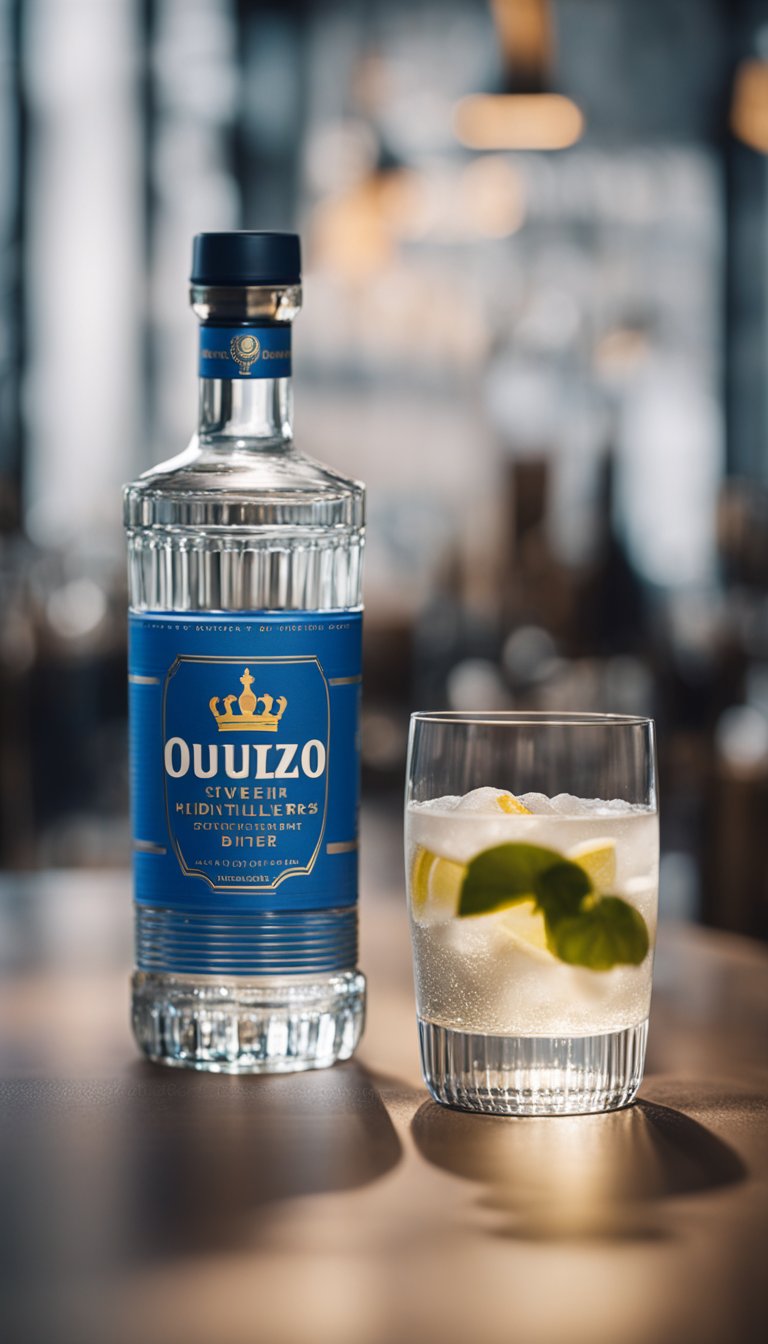
Examining Alcohol-Free Spirit Alternatives
In our quest to discover the spirit world that is alcohol-free for crafting exquisite zero-proof cocktails in the UK The journey has reached a significant point. It’s the time to investigate the vast and exciting landscape of alcohol-free spirit brands that are making waves in the market. From AF gins with botanicals to sophisticated whiskey options There are a myriad of choices to pick from. In this section we’ll provide you with some of the best brands and the amazing products they offer.
AF Gins: A Symphony of Botanicals
Alcohol-free Gins are leading the way in the realm of alcohol-free spirits, thanks because they bring out the intricate nature of traditional Gin. Here are some products that’ve elevated AF Gin to new levels:
1. Seedlip
New and innovative
Seedlip is often considered to be an early proponent of the alcohol free spirits movement. Their selection of AF gins includes “Grove 42,”” “Garden 108,”” along with “Spice 94.” Each is crafted in order to recreate the taste in traditional spirits, with aromatic plant-based ingredients taking the centre stage. “Grove 42” features citrusy notes “Garden is a refreshing blend, “Garden” is a herbal delight and “Spice 94” is a spicy and warm undertones.
Recommended Serve: Seedlip AF gins are ideal with premium tonic water and garnished with citrus peels or freshly cut herbs.
2. Ceder’s
Elegance in Every Drink
Ceder’s is a brand that offers AF Gins inspired by the sparkling, clear waters of the Cederberg Mountains in South Africa. With variations such as “Crisp,” “Wild,” and “Classic,” Ceder’s provides a refreshing and sophisticated AF drinking experience with gin. “Crisp” is a light and smoky “Wild” provides a hint of Swedish in its design, while “Classic” brings out the essence of gin that is classic.
Recommended Serve: Try Ceder’s AF Gins paired with your favorite tonic water and a garnish of slices of cucumber or a sprig of rosemary.
The AF Whiskeys A Sprinkle of Elegance
For those who enjoy the richness and depth of whiskey, AF alternative whiskeys have responded to the need. These brands provide AF whiskeys that provide rich, oaky taste without the alcohol content.
1. Ritual Zero Proof
Highly Crafted
Ritual Zero Proof is an AF whiskey option that has been praised on its quality and authenticity. A blend of American oak, Ritual Zero Proof’s whiskey variant features the warmth and richness of a traditional bourbon. It has notes of caramel, vanilla, and oak.
Recommended Serve: Drink Ritual Zero Proof’s whiskey alternatives as a whiskey substitute in traditional cocktails, such as Old Fashioned or Manhattan.
2. Stryyk Not Gin
Whiskey with a Twist
Although it is most well-known for its AF Gin, Stryyk also offers an AF whiskey substitute that’s definitely worth having a look. It’s a blend of warm spice and oak aromas, the whiskey of Stryyk is an excellent option to add to your zero-proof cocktail arsenal.
The recommended drink: Take Stryyk’s option for whisky to make unique zero-proof versions of whiskey-based cocktails such as Whiskey Sour or Mint Julep.
What’s Next? Creating Your Zero-Proof Masterpiece
Once you’ve been introduced to some extraordinary spirits that don’t contain alcohol, you’re prepared to start your zero-proof drink adventure. In the next article we’ll take a look at the art of making zero-proof cocktails that showcase the unique flavors of these spirits. You’re ready to shake stir, and enjoy!
Next up: Crafting Zero-Proof Cocktails with AF Spirits
In the upcoming section, we’ll share with you the best ideas and mouthwatering recipes for crafting zero-proof cocktails that will surprise your taste and palate. Keep an eye out!
Elevate Your Wholesale Game: Source Premium Alcohol-Free Spirits Directly from Swedish Distillers!
Concocting Zero-Proof Cocktails using Alcohol-Free Spirits
We’re back for our exploration of the fascinating spirit world that is alcohol-free and their function in making exceptional zero-proof cocktails. In previous articles we’ve explored the realm of AF gins and whiskeys, with a focus on the top brands and their extraordinary products. The time has come to pull up our sleeves and start thinking about how we can discover the art of creating zero-proof cocktails that let these spirits to sparkle.
“The Art of Mixology: Crafting Zero-Proof masterworks
Mixology is a form of art that is a form of art, and making zero-proof cocktails is no different. Alcohol-free drinks don’t translate to a loss of flavor or sophistication. It’s actually an opportunity to discover new taste horizons and experiment with exciting ingredients. Here’s how you can be an unstoppable mixologist
1. Balance is the Key
The foundation of every great cocktail, whether it’s alcoholic or not, is balance. You’ll want to achieve an ideal balance of bitter, sweet, sour and savory flavors. Here’s an easy formula to help you get beginning:
- Base Base alcohol-free spirit, such as an AF whiskey or gin alternative.
- Sweet add a sweet element such a simple syrup fruit juices, and flavored syrups.
- Sour Add a sour ingredient such as citrus juice (lemon, lime) or vinegar.
- Bitter Bitters, or herbal liqueurs can give complexity and depth.
- Aromatic Garnishes, such as herbs spice, fruits, or peels can enhance scent.
2. Experiment in Flavor Combinations
One of the best parts of mixing in a zero-proof way is exploring unusual flavor combinations. For instance, pair a botanically-forward AF Gin with elderflower syrup and a twist of grapefruit to create an aromatic and refreshing cocktail. You can also make an AF whiskey alternative made with muddled, ripe berries and some thyme to create an earthy and fruity drink.
3. Texture Matters
Examine the texture of your cocktail. Certain drinks will benefit from being shaken vigorously to give a smooth and refreshing conclusion, while others are best stirred lightly to maintain clarity and elegance.
4. Use Garnish to Make an Impressive
Don’t underestimate the power of garnishes. The right garnish choice not only enhances the visual appeal of your cocktail but can also bring subtle aromas and flavors. Think citrus variations, fresh herbs, edible flower arrangements, and even some ground spices.
Three must-try zero-proof cocktails
With this know-how in mixology let’s dive into creating three delicious cocktail recipes that don’t require alcohol using the alcohol-free spirits we’ve explored earlier.
1. Crisp & Clean AF Gin Fizz
Ingredients:
- 2 oz Seedlip Grove 42 (or similar AF gin)
- 1 oz freshly squeezed lemon juice
- 1/2 oz simple syrup
- 1 egg with white (optional for frostiness)
- Soda water
- Lemon twist as garnish
Instructions:
- Dry shake (shake without the use of ice) the AF gin, lemon juice, simple syrup, and egg white for about 15 seconds to make froth.
- Add ice and shake for 15 seconds more.
- Strain into a chilled glass topped with ice.
- Then top with soda water, and gently stir.
- Garnish with a lemon twist.
2. Smokey Spice AF Whiskey Sour
Ingredients:
- 2 Oz Ritual Zero Proof Whiskey Alternate (or similar AF whiskey)
- 3/4 oz freshly squeezed lemon juice
- 1/2 oz honey syrup (mix equal parts hot water and honey)
- 1 dash of aromatic bitters
- Smoked sea salt with the lemon wheel as garnish
Instructions:
- In a shaker combine the AF whiskey, lemon juice, honey syrup, and bitters.
- Fill the shaker with ice, then shake it vigorously for about 15 seconds.
- Strain into a rocks glass filled with an ice.
- Garnish with a pinch of smoked sea salt and a lemon wheel.
3. Summer Breeze Ceder’s Cooler
Ingredients:
- 2 oz Ceder’s Crisp (or similar AF gin)
- 3/4 oz elderflower syrup
- 1 oz freshly squeezed grapefruit juice
- A fresh thyme sprig for garnish
- Grapefruit wedge to garnish
Instructions:
- In a shaker mix in a shaker, mix AF gin, elderflower syrup and grapefruit juice.
- Fill the shaker with cold water and shake vigorously to chill.
- Pour the drink into a tall glass, filled with an ice.
- Garnish with a few sprigs of fresh thyme and the grapefruit wedge.
The Next Step: Upgrading the level of your zero-proof cocktail Game
After you’ve mastered the art of making zero-proof cocktails using AF spirits now is the time to look into more advanced techniques as well as creative recipes. In the next part we’ll look into the most effective mixology advice and show you some unique zero-proof cocktail recipes that will help you improve your home bartending skills.
Next: Advanced Mixology Techniques
Improve Your Zero-Proof Mixology Advanced Techniques and Creative Recipes
In our quest to discover the captivating world of alcohol-free spirits and zero proof cocktails, we’ve already covered the basics of mixology. In addition, we’ve created some amazing AF cocktails. Now it’s time to enhance your mixology skills by exploring more advanced techniques and testing out innovative recipes that are sure to impress your guests. You can also elevate the experience of your own drink.
Mastering Mixology: Moving Beyond the Basics
Before we move on to more advanced techniques, let’s briefly review the basics of mixology:
- Balance Finding the perfect balance of sweet as well as bitter, sour and savory elements can be the cornerstone of any excellent cocktail.
- Experimentation Explore your creativity and experiment with new flavors and ingredients.
- Texture Check the texture of your drinks Some are best shaken for frothiness and others will benefit from gentle stirring.
- Garnish Don’t undervalue the power of garnishes to enhance visual appeal and aroma.
Let’s take your mixology skills to another level.
1. Advance Garnishing Techniques
While we’ve already talked about garnishes, advanced garnishing techniques can make a decent cocktail something that’s a masterpiece. Here are some methods to think about:
- Deshydrated Citrus Wheels: Dehydrate citrus slices (lemon citrus, lime, orange) then use as visually attractive and aromatic garnishes.
- A flaming Citrus Peels: Flame a citrus peel over your drink to create an enthralling burst in aroma. Be careful and use the lighter with care.
2. Homemade Sugars and Infusions
Make your mixology go beyond the norm by making the syrups, infusions and other ingredients you want to make your own. Here are some ideas:
- Herb-Infused Syrups Create unique syrups simply by mixing syrup with herbs like rosemary, basil, or lavender.
- Spiced Syrups: Experiment with spices in your syrups with ingredients like cinnamon, cardamom, or star anise.
3. “Smoke” and “Aromatics
By adding a smokey flavor or unique aromas can bring the flavor of your cocktails that are not proof-proof:
- Smoke Cloche Make the investment in an smoke cloche to flavor your cocktails with smokey flavor. You can place a wood chip in a state of smoldering inside the cloche prior to serving.
- Aromatic Mists Utilize a small spray bottle to mist aromatic essences, such as lavender citrus, or rose over your drinks.
4. Layered Cocktails
You can create visually stunning cocktails with carefully pouring ingredients over the back of a spoon or using special glassware. Play around with the colors and densities for stunning results.
Innovative Cocktail Recipes with Zero-Proof
Now, let’s apply these new techniques to utilize with some new cocktails that are completely foolproof.
1. Mystic Garden Elixir
Ingredients:
- 2 oz Ritual Zero Proof Gin (or similar AF gin)
- 1/2 oz rosemary-infused simple syrup
- 1/4 oz lavender mist
- Lemon wheel that has been dehydrated to garnish
Instructions:
- Fill a mixing bowl with ice.
- Pour into the AF gin and simple syrup infused with rosemary. Mix gently until chilled.
- Strain into a chilled cocktail glass.
- Mist lavender essence over the drink.
- Garnish with a dehydrated lemon wheel.
2. Campfire Reverie
Ingredients:
- 1 1/2 oz Ceder’s Crisp (or similar AF gin)
- 1/2 oz spiced cardamom syrup
- Smoke cloche that is made of hickory chips
- Orange twist for garnish
Instructions:
- In a mixing glass mix in a mixing glass, mix the AF gin and spiced cardamom syrup.
- Fill a smoke cloche with chipped hickory wood and put it on top of the mixing glasses.
- Set the wood chips on the flame and let them smoke for just a few seconds.
- Dismantle the cloche and transfer the cocktail to a rocks glass that is filled with an ice.
- Garnish with a twist of orange.
What’s Next? Examining Signature Zero-Proof Creations
If you master these advanced techniques and savor the innovative recipes, it will be easy to discover and craft your signature zero-proof cocktails. In the next chapter We’ll guide you in creating cocktails that are unique to your style and personal taste.
Next step: Creating Signature Zero-Proof Creations
By gaining knowledge of these sophisticated mixology techniques and exploring inventive recipes, you’re on the journey to becoming a cocktail maestro. But there’s much more to discover! In the next chapter, we’ll guide you in creating unique zero-proof cocktails which will really make you stand out as an master mixologist.

Mastering the Art of Zero-Proof Mixology Your Complete Guide
Welcome to the end of our exploration into the fascinating world of mixology that is completely unproofed. Over the course of this series, we’ve delved into everything from the basics of mixology, through advanced techniques and creative recipes. Now is the time to join all this knowledge in order to learn the fine art and science of zero-proof mixology.
If you’ve missed any of the earlier articles of this series, this is a quick review:
Article 1: The Basics of Mixology with Zero Proof
In our first post we laid out the foundation for your mixology adventure that’s zero-proof. We discussed the core principles that govern balance, experimentation, texture, and garnishing. Learned how to make well-balanced, delicious zero-proof cocktails.
Article 2: Zero-Proof Mixology: Beyond the Basics
In the next article, we dived more deeply into the latest techniques for garnishing made from homemade syrups or infusions aromas and smoke and layered cocktails. The skills you learned will allow you to take your cocktails with zero proof up to a higher level.
Article 3: New Zero-Proof Cocktail Recipes
The third article in our series gave you a taste of some creative zero-proof cocktail recipes. These ranged from “Mystic Garden Elixir” to the “Campfire Reverie,” you tried out unique cocktails that showcased your mixology prowess.
Article 4: Crafting Signature Zero-Proof Creations
In the final article, we encouraged you to explore your creativity by creating unique recipe that is completely proof. It was a great opportunity to tailor the cocktails you drink to reflect your individual style and preferences.
In this last installment, we’ll weave each of these lessons into one and provide you with a comprehensive guide to mastering the art of mixology that is zero proof.
Mastering the Art of Mixology. Zero-Proof Mixology
1. Designing your Zero-Proof Bar
To be a successful mixologist, it is essential to have the right tools and ingredients. It is important to have
- An assortment of zero-proof spirits (AF Gin, AF Rum, AF tequila, etc.)
- Fresh fruits, herbs, as well as spices to garnish, infusions
- Good quality glassware (cocktail glasses such as highball glasses.)
- Essential bar tools (shaker, jigger, muddler, strainer, etc.)
2. Perfecting Your Techniques
We’ll go over the techniques we’ve discussed in our previous articles:
- Blending flavors to create a harmonious flavor.
- Playing around with new ingredients and combinations.
- The importance of considering texture and using best technique (shaking and stirring layers, etc. ).
- Elevating your garnishing game with innovative techniques.
3. Innovating using Ingredients
Do not limit yourself to traditional cocktail ingredients. Explore:
- Unique fruit and vegetable juices (dragon fruit, cucumber, etc. ).
- Specialty syrups and bitters (hibiscus ginger, hibiscus, etc. ).
- A variety of unusual spices and herbs to make infusions (lemongrass and cloves. ).
4. Making Your Signature Cocktails
It’s now time to create your own signature cocktails that are zero proof. Start by choosing a foundation (AF spirit) to build your drink around it. Experiment with flavors, textures and garnishes until find combinations that appeal to your senses.
Conclusion
We’ve finished our comprehensive guide to mixing zero-proof be aware that becoming a master mixologist takes patience and time. Don’t be afraid of making mistakes. Learn from them. With the right equipment, methods and imagination it is possible to create low-proof cocktails that can rival their alcoholic counterparts.
We hope you’ve enjoyed this series and that it has led you to embark upon your own journey of zero-proof mixology. Be it a teetotaler driving for a designated driver, or looking to cut down your alcohol intake, zero-proof cocktails come with a myriad of flavours and experiences to taste.
Thank you so much for joining us in this journey. we wish you the best in your exploration of the wonderful world of mixology that’s completely proof-of-concept!
Recap of the Series:
- In Article 1, The Basics of Zero-Proof Mixology
- Chapter 2: Zero Proof Mixology: Beyond the Basics
- Article 3: Ingenious Zero-Proof Cocktail Recipes
- Article 4: Crafting Signature Zero-Proof Creations
- Article 5 How to Master the Art of Zero-Proof Mixology
Then, you can go on and mix up amazing zero-proof drinks for yourself and your guests. The journey to zero-proof mixology has just begun!
Understanding EU Regulations on Non-Alcoholic Beverages: Your Must-Read Guide for Conformity
In the realm of alcohol and food products, complying to regulations is not just the law but also an essential element of consumers’ confidence and safety. For instance, the European Union (EU), famous for its strict regulations has a lot of importance on ensuring that non-alcoholic beverages adhere to the highest standards of safety and quality. The first piece in our series, aims to help you understand the complexities of EU rules that regulate non-alcoholic beverages.
Learning the EU Framework
An Overview of EU Regulatory Bodies
In the midst of EU laws governing non-alcoholic alcohol are several key regulatory agencies each of which plays a crucial duty in ensuring the safety of any products sold on the marketplace are appropriate for customers.
1. The European Commission: Often considered the executive branch within the EU The European Commission takes charge of proposing legislation as well as implementing its decisions. When it comes to regulations governing food and beverages, the Commission is a key player in establishing the guidelines within which alcohol-free drinks are allowed to function.
2. EFSA (European Food Safety Authority) ):It is an independent agency offers scientific advice on food safety and the safety of feed to those in the EU institutions. The expertise of EFSA is vital in checking the safety of the ingredients as well as the ingredients used in non-alcoholic beverages.
3. National Authorities: In addition to EU-wide regulations, member states could have their own specific regulations. National authorities supervise compliance with EU regulations at the local level.
Legal Framework
Understanding EU regulations on non-alcoholic beverages requires a thorough understanding of the legal framework governing the rules. The EU employs two major types of law which include directives and regulations.
EU Regulations: They are directly applicable on all the states that are members of EU, and don’t require separate national legislation. When an EU regulations is passed and enacted, it becomes law for all member states simultaneously.
EU Directives: Directives, on contrary, lay out the objectives that states of the EU must meet. It’s then up the member states to make its national laws to comply with the directive.
The interplay between EU regulations and laws of member states could occasionally be confusing, which requires firms to navigate both global EU rules as well as particular laws in their respective countries.
Knowing the rules and regulations will become the initial step in making sure that you are in that you are in compliance with EU regulations on non-alcoholic beverages.
In the next part, we will explore details of EU regulations, focusing on labeling and ingredient requirements, that are vital to businesses operating in the beverage industry.
Join us as we explore the intricacies of labeling and ingredient regulations within the EU for non-alcoholic beverages.
Navigation EU Regulations: Labeling and the requirements for ingredient labels in beverages that aren’t alcohol-based.
In the first section we set out on a journey to unravel the complex web of EU regulations governing non-alcoholic beverages. Now, let’s dive into the details, focusing on labeling requirements and ingredient requirementsaEUR”a vital aspect of compliance for businesses operating in the drink industry.
Guideline for Labeling
Clarity and Transparency
EU regulations are strict when it comes down to labeling non-alcoholic drinks. The main goal is to ensure that consumers receive complete and accurate information about the items they purchase. Here are some key aspects of labeling guidelines:
1. Name of the Beverage The name must clearly communicate the nature of the product. Untrue names that might confuse consumers are strictly forbidden.
2. Ingredients List: Non-alcoholic beverages must list all ingredients, with each ingredient listed in order of weight, descending.
3. For information about allergens, if the beverage is a mixture of any of the 14 allergens listed in EU regulation (e.g., nuts, milk or gluten) These allergens must be clearly noted in the ingredients list.
4. Net Quantity: This is the amount of the drink must be stated in liters, milliliters and centiliters. The weight can be expressed in kilograms grams, milligrams or kilograms in relation to the beverage.
5. Best Before/Use By Dates: Alcohol-free beverages with a shelf life of less than 18months must be accompanied by an “use at” date. For those with a longer shelf life should show an “best ahead of” date.
Nutrition Declaration
Recent years have seen EU regulations have made it mandatory for alcohol-free beverages to offer nutrition information per 100 ml of the product. This includes details on calories and quantities of saturates, fats carbohydrates, sugars Protein, salt, as well as fat.
Ingredient Requirements
Utilization of Additives
EU regulations strictly regulate addition of ingredients to non-alcoholic drinks. The additives must be approved and safe to consume, and serve a technological purpose (e.g., preservatives, colorants, sweeteners).
Natural Mineral Waters
For drinks that are labeled “natural mineral water,” EU regulations are particularly tough. These waters must come from reliable sources and must meet specific standards regarding purity and mineral content.
Fruit Juices and Nectars
If a non-alcoholic beverage has nectars and juices from fruits, it must meet the specified standards for the fruit content. For example, nectars made from fruit must contain at least 25% content of fruits.
Sweeteners
The use of sweeteners is regulated to ensure safety and protect the interests of consumers. Labels must clearly specify what sweeteners are in use.
What’s Next?
As we’ve observed, EU regulations on labeling and the requirements for ingredient use in non-alcoholic beverages are comprehensive as they are designed to protect consumer concerns. Knowing and observing these rules is essential to companies working in this area.
In the next chapter we’ll look into quality and safety standards in order to understand how EU regulations ensure that alcohol-free drinks meet the highest standards of quality. Join us on this journey to unravel the complexities of EU rules further.
Stay tuned to discover the world of quality and safety standards established by EU regulations governing alcohol-free drinks.
Direct Access to Top-Tier Spirits: Swedish Distillers’ Alcohol-Free Range Awaits Your Order!
Qualities and Standards for Safety ensuring top-of-the-line non-alcoholic beverages throughout the EU
While exploring the maze of EU rules governing non-alcoholic beverages, we’ve uncovered essential information regarding labeling and requirements for ingredients. Now, let’s continue our exploration by delving into the world of quality and safety standardsaEUR”critical aspects that uphold the integrity of these beverages in the European market.
Quality Standards
Water Quality
The water is the primary ingredient in many non-alcoholic beverages And its quality is vital. EU regulations mandate that water used in beverage production must meet stringent quality standards. This ensures that the water’s sources, treatment and transportation are not detrimental to the drink’s quality or safety.
Natural Mineral Waters
For beverages labeled as “natural mineral water,” EU regulations are particularly rigorous. These waters must originate from well-known sources and meet stringent requirements regarding mineral quality and content. Natural mineral waters are well-known by their pristine quality and unique mineral composition. This makes them an invaluable asset to the industry of non-alcoholic beverages.
Fruit Juice Purity
For beverages that contain fruit juices, the EU applies specific fruit content guidelines. For instance, nectars made from fruit must contain a certain percentage of fruit content to ensure an authentic beverage with high-quality.
Hygiene and Practices for Production
Maintaining a perfect hygiene level during the production process is vital. EU regulations require that all establishments involved in the production of beverages adhere to strict safety and hygiene standards to avoid contamination and ensure product safety.
Safety Standards
Microbiological Criteria
Microbiological safety is a non-negotiable aspect of making non-alcoholic beverages. EU regulations specify microbiological standards to ensure that beverages are free from harmful microorganisms posing threats to the health of consumers.
Contaminant Limits
To protect the health of consumers, EU regulations define maximum levels for different contaminants found in non-alcoholic beverages. These contaminants include mycotoxins, heavy metals and pesticide residues. Monitoring and testing procedures that are rigorous are in use to ensure compliance with these limitations.
Additional Safety
All additives in non-alcoholic beverages must be carefully evaluated for their safety. EU rules require exhaustive studies and risk assessments before additives are permitted for use. This guarantees that consumers aren’t exposed to any unnecessary risks.
the Role of Quality Control
Quality control plays an integral importance in making sure that non-alcoholic drinks are in compliance with the highest standards in terms of quality and safety. Manufacturers are responsible for implementing strict quality controls, beginning from the selection of raw materials, to the final production stages.
What’s in store for us?
Quality and safety standards constitute the basis upon which the credibility of non-alcoholic beverages is built in the EU market. In our next section We’ll investigate the intricate market of packaging and marketing regulations, shining light on the ways these elements contribute to the overall compliance landscape.
Stay tuned as we enter the world of marketing and packaging laws, crucial elements of EU compliance with non-alcoholic drinks.

Packaging and Marketing and Marketing: Navigating the EU Regulations for Non-Alcoholic Beverages
As we continue our journey through the intricacies of EU regulations governing non-alcoholic beverages, we find ourselves at a crossroadsaEUR”packaging and marketing. These two aspects are important and not just for compliance, as well as to get the public’s attention in this very competitive market. Let’s explore the world of marketing and packaging regulations in the European Union.
packaging Regulations
Material Safety
The EU is committed to ensuring that the products used to package beverages are not harmful to the drink’s contents. Manufacturers must adhere to strict standards for products like plastics, glass, and metals. This ensures that the packaging doesn’t change the composition or security of the beverage.
Sustainable and Recycling
Environmental sustainability is becoming a major concern, and the EU encourages eco-friendly packaging. Regulations are designed to reduce trash and encourage recycling, by setting standards for the use of recyclable packaging materials and reduction of packaging waste.
Display and labeling
Labeling is a vital aspect of packaging. EU regulations require transparent and accurate information on the label, including the label’s name, ingredients list such as nutritional information, the product’s name, and allergen declarations. These labels help consumers make more informed decisions and guarantee transparency.
Marketing Regulations
True Advertising
Non-alcoholic beverages sold in the EU must be guided by the principles of truthfulness and accuracy. Any claims made in advertising, such as health claims or ingredient benefits, must be supported by evidence from a scientific perspective.
The protection of Minors
Due to the possibility of appealing alcohol-free beverages for minors, advertising efforts should be avoided targeting the same demographic. The EU establishes strict regulations to ensure that advertising does not promote drinking by people under age.
Alcohol Imitation
Non-alcoholic drinks should not resemble the packaging or appearance of alcoholic beverages. This helps avoid confusion for consumers and ensures that marketing of these products remains simple and clear.
Challenges and Innovations
The process of navigating the marketing and packaging regulations can be challenging, but they also offer opportunities for creativity. A lot of companies are adopting green packaging materials that are in line with regulatory requirements and consumer preferences for eco-friendly alternatives. Innovative marketing strategies focusing on the benefits of health and distinct flavors are getting more popular in the EU market.
What’s Next?
Our investigation of EU rules on non-alcoholic beverages could not be complete without considering the crucial issue of compliance with these regulations. In the next section we’ll go deep into the strategies and guidelines that can help firms ensure compliance with EU’s stringent standards.
Keep watching as we reveal the secret to complying with EU regulations for non-alcoholic drinks.
Insuring EU Regulations for Non-Alcoholic Beverages: A Comprehensive Guide
This is the sixth and last installment of our comprehensive guide to navigating EU rules for alcohol-free beverages. In this series, we’ve examined the intricate web of regulations for the production labels, safety, and marketing of non-alcoholic beverages in the European Union. In this article’s final installment we’ll review a few of the most important information from each segment and offer conclusions about the problems as well as opportunities in this highly controlled sector.
The Recap Our Journey
Part 1: Production Standards
In the initial article, we discussed the standards for production adopted by the EU for non-alcoholic beverages. Principal takeaways included:
- Security and hygiene standards are extremely strict for production facilities.
- Guidelines for ingredient selection as well as quality.
- It is important to meet the maximum residue levels for Pesticides and contaminants.
- How adherence conforming to Good Manufacturing Practices (GMP) is important.
Section 2: Labeling and Nutritional Information
In our second article we outlined the importance proper labeling as well as nutritional information. Highlights include:
- A clear and precise labeling requirement that include ingredient lists, nutritional information, and allergen declarations.
- The importance of truthfulness in advertising and the necessity of proof of scientific research to support claims.
- The prohibition against fraud by misleading consumers with false promises.
section 3 Safety and Quality Assurance
The third article in our series was devoted to safety and quality assurance. We covered the following points:
- Safety standards that are stringent to avoid contamination and ensure the safety and security of non-alcoholic drinks.
- The importance play by Hazard Analysis and Critical Control Points (HACCP) in making sure that food safety is maintained.
- Monitoring and traceability helps quickly discover and solve safety issues.
Section 4: Packaging and Marketing
In the fourth article we reviewed regulations related to packaging and marketing:
- Standards for the safety of packaging materials that prevent contamination.
- A strong emphasis on sustainability and recycling in packaging.
- Guidelines to ensure truthful advertising safeguarding minors as well as the prevention of imitation alcohol.
Challenges and Opportunities
After a journey through EU regulations for non-alcoholic beverages It’s evident that this sector is full of challenges as well as opportunities. The main challenge is in navigating the complexities of regulation making sure compliance is maintained, as well as adapting to changing consumer preferences for the environment and healthier choices.
However, there are substantial chances for companies to respond to these problems:
-
Innovation: Developing eco-friendly packaging and marketing strategies that stress health benefits can make you stand apart in the market.
-
Transparency: The compliance with the labeling laws and regulation on advertising not only ensures the compliance of consumers, but also strengthens their trust.
-
Safe: Prioritizing safety and quality control can help protect your brand’s reputation while protecting the interests of your customers.
Conclusion
In this series, we’ve explored through the multifaceted realm of EU guidelines for non-alcoholic beverages. From the production standards to packaging advertising, security, and marketing Compliance is crucial to survival in this industry.
When you go through these rules be aware that they are created to protect consumers and guarantee the highest quality standards. Encourage innovation, sustainability and transparency to succeed in the fierce EU markets for non-alcoholic drinks.
Thank you for joining us on this educational journey. We hope you’ve gained invaluable knowledge about the regulatory landscape of non-alcoholic beverages in the EU.
The Recap Of All Articles in this Series
-
Section 1: Production Standards
-
Section 2 the labeling of nutrition information and nutritional labels
-
Section 3: Safety and Quality Assurance
-
Section 4: Packaging and Marketing
Continue your journey towards success in the non-alcoholic beverage industry be sure to keep up with the newest EU laws.
unlocking this EU and UK Alcohol-Free Spirit Market Segmentation: Act Now for Success!
In a time where the consumer’s preferences are changing rapidly, the alcohol-free spirit market has undergone a significant change. For instance, the EU and UK famous for their extensive traditions in alcohol-based drinks they are witnessing a surge in demand for alcohol-free alternatives. To navigate this evolving landscape effectively, businesses need to be aware of the specifics of market segmentation. In this first part that we will be covering, we’ll delve into the fundamentals of what market segmentation is and look at its significance with regard to alcohol-free spirits.
What is the reason? Market Segmentation Matters
Market segmentation is a method to divide a larger market into smaller segments that are more manageable that are based on certain characteristics, habits, and preferences. It is a strategic tool that enables businesses to adapt their products and marketing efforts to suit the specific requirements of the particular segment. Market segmentation is a crucial factor:
-
Markets that are targeted: With the help of identifying specific specific groups of consumers within the market, businesses can create targeted marketing campaigns that resonate with the unique preferences and demands of every segment. This results in more effective advertising strategies and higher conversion rates.
-
Customer Customization The understanding of various market segments allows companies to develop items that cater to the preferences and desires of the various groups. This doesn’t just improve satisfaction of customers but also increases brand loyalty.
-
Resources Efficiency Segmentation of markets helps distribute resources efficiently. Instead of adopting a single-size-fits-all approach, businesses can focus their resources in areas that have the greatest potential for growth and profitability.
-
Competitive Advantage: companies that segment effectively their market gain competitive edge. They can find gaps in the market. They can also develop unique value propositions, to differentiate themselves.
-
Customer Retention: A customized marketing strategy and product result in higher satisfaction with customers, which, in turn will increase the retention rate of customers. A loyal customer is more likely to become advocates for your company.
The market for alcohol-free spirits is in the EU and UK
Different kinds of alcohol-free spirits
Before tackling market segmentation, it’s important to be aware of the alcohol-free spirit market across the EU as well as the UK. The market has seen incredible rise, with a growing quantity of alcohol-free alternatives available. The most prominent categories include:
-
Alcohol-Free Gins: The gin is designed to bring out the botanical essence of traditional Gin, alcohol-free gins provide the same taste and aroma, that are alcohol-free, without the sugar content. They are appreciated for their versatility in cocktails and as stand-alone drinks.
-
Alcohol-Free Whiskeys: Alcohol-free whiskeys are designed to replicate the rich and smoky flavours of whiskey that are traditional. They are ideal for people who enjoy the taste and aroma of whiskey but would prefer to stay away from alcohol.
-
Alcohol-Free Vodkas: Alcohol-free vodkas give the fresh and clean flavor of traditional vodka without the alcohol. They are incorporated into a variety of mixed drinks and mocktails.
-
Alcohol-Free Rums: Rums that are not alcoholic capture the sweetness and richness of traditional rums. This makes them an important ingredient in non-alcoholic tropical drinks.
-
Tequilas with no alcohol: These alternatives maintain the earthy hints and agave nuances found in traditional tequilas, providing a delicious base for margaritas that are alcohol-free and other drinks.
The variety of alcohol-free drinks shows the industry’s dedication to accommodating a variety of consumer tastes and preferences. As the demand for these drinks continues to increase, knowing how to segment markets becomes increasingly important for businesses who want to flourish in this ever-changing marketplace.
In the next chapter, we will examine how consumers’ preferences play an important influence on the alcohol-free spirit market segmentation, and shed light on the motives that force people to go with alcohol-free options. Let’s begin this exciting process of understanding this EU and UK market for alcohol-free spirits.
Transform Your Business with Direct Orders from Swedish Distillers’ Non-Alcoholic Range!
Understanding consumer preferences and the EU and the UK Alcohol-Free Spirit Market
In our previous segment we examined the fundamentals of market segmentation in the thriving EU and UK spirits market that are alcohol free. The second segment of our series delves into the heart of the matter and the preferences of consumers. Understanding the motivations that make consumers use alcohol-free spirits is vital for those who want to find their niche in this rapidly expanding market. Let’s set off on this path of exploration.
A Changing Consumer Landscape Evolving Consumer Landscape
Consumer preferences are at the center of any market, and the market for alcohol-free spirits is no different. The following points help to understand the changing marketplace for consumers:
Fitness and health trends
One of the major factors driving the alcohol-free spirit market is the rising trend toward health and wellness. Consumers are becoming more health-conscious seeking out products that work with their goals of well-balanced lifestyles. Alcohol-free spirits provide a solution for those who want to enjoy the tastes and social aspect of drinking, without the adverse health implications of alcohol.
Millennial Influence
Generation Y, born between 1982 and 1996, play the main influencers of consumer trends. Generation Y is more concerned with experiences rather than possessions and is more inclined to research new and healthier options, such as alcohol-free drinks. This is also a significant generation for businesses to market to.
Social Responsibility
The majority of consumers, especially those who are younger tend to be more responsible when it comes to their purchases. They are influenced by brands that are green, ethical, and socially conscious. Spirit producers that are alcohol-free and emphasize sustainable production methods and sustainability frequently resonate with these customers.
Flavor Variety
The market for alcohol-free spirits is responding to consumer demand for various flavors. There are many options available, including a botanical-infused Gin, a rich alcohol-free whiskey, or a tropical rum that is alcohol-free the range of flavors available caters to different taste preferences. This is a huge draw for people who want an element of novelty and excitement in their drinks.
Drinking Reduction and Abstinence
For individuals reducing their consumption of alcohol or avoiding drinking alcohol completely, alcohol-free spirits provide the perfect alternative. These spirits let consumers take part in social gatherings and delight in the craft of cocktails without the harmful effects of alcohol.
The most important considerations for market segmentation
Understanding the preferences of consumers is essential for segmenting the market. Effectively segmenting markets in EU and UK spirits that are alcohol-free, businesses must consider the following:
Demographics
Demographic factors such as age, gender, income level and place of residence play a crucial role in determining the tastes of consumers. For instance, younger consumers might be more prone toward novel flavors, while older people might prefer health benefits.
Lifestyle
Lifestyles of consumers greatly impact their choices. The people who lead active lives might be looking for energy-boosting or low-calorie alcohol-free choices, whereas others may be looking for alcohol-free drinks to enjoy a relaxing evening at home.
Special occasions
Every occasion calls for different drinks. Companies should think about how their customers consume alcohol-free spirits – be it for social gatherings, celebrations or for personal enjoyment – and then tailor their strategies for marketing for the event.
Taste Preferences
Flavor profiles matter. Some consumers prefer Gin’s botanical flavors, and others prefer the smoky sweetness of whiskey. Segmenting the market based on personal preferences lets businesses identify specific niches and markets.
Values and Ethical Factors
Consumers increasingly support brands that are in line with their values. Companies that support ethical sourcing or sustainability as well as responsible production can be a good fit with socially conscious consumers.
By taking these considerations into consideration, companies can come up with targeted marketing strategies, design products to meet specific needs of consumers and establish a substantial position in both the EU and UK the alcohol-free spirit market.
In our next installment we’ll go into the competitive landscape of this industry as we explore the major players and strategies that are shaping the future of this industry. Be sure to check back for information on how to distinguish yourself in this highly competitive market.
Strategies for Creating a Winner in your EU as well as the UK The Alcohol-Free Spirits Market
Welcome to the final installment of our travels through and through EU and UK alcohol-free spirit market. In previous articles in this series, we looked into the different segments of the market and consumers’ preferences by revealing the complex terrain that businesses have to navigate. It’s now time to discover how to develop an effective plan of action in this fast-growing industry.
Knowing the Competitive Landscape
Before diving into the development of a strategy it’s essential to comprehend the landscape of competition. The market for alcohol-free spirits is vibrant and competitive, with a myriad of players looking to capture the attention of consumers. Here are some crucial perspectives on the state of competition:
Market Growth
The alcohol-free spirit market is undergoing a rapid growth and new brands are entering the market on a regular basis. As consumer demand continues rise, competition is increasing which makes it crucial for businesses to distinguish themselves.
Established Players
A number of established companies dominate the marketplace, and have solid brand recognition and loyalty. They have set the benchmark in terms of quality and taste, making it challenging for newcomers to make it through.
Niche Players
Niche players have achieved success by catering to specific market segments or offering distinct flavor profiles. They typically succeed by providing solutions to unmet needs in the market.
Crafting Your Unique Selling Proposition (USP)
To stand out in this market, businesses must come up with a compelling Unique Selling Proposition (USP). Your USP is what distinguishes you and helps consumers decide to purchase your alcohol-free spirit over the rest. Here are some ways to consider:
Flavor Innovation
In a market driven by diverse taste preferences, innovative flavor profiles can be game-changing. Make use of unique botanicals infusion methods, and organic extracts to make unique offerings.
Health and Wellness Focus
In light of the increasing awareness about health among consumers, emphasizing the health benefits you can get from your alcohol-free spirit could be an effective USP. You can highlight sugar-free, low-calorie and natural ingredients.
Sustainability and ethics
Consumers are increasingly buying from brands that emphasize sustainability, ethical sourcing, and a responsible production. Your brand should demonstrate your commitment and dedication to these ideals in your packaging and marketing.
Marketing and branding
Effective marketing and branding are crucial. Develop a branding identity that is recognizable to your intended audience and tells an engaging story. Consider investing in appealing packaging that communicates your company’s values.
Collaborations and Partnerships
Create partnerships with influencers restaurant owners, and even event hosts to increase your reach. Strategic partnerships can help you introduce your brand to a greater crowd.
Specific Marketing and Consumer Education
After you’ve identified your USP Once you’ve established your USP, it’s time for you to get serious about marketing and education. Here’s the best way to go about it:
Digital Marketing
Make use of the power of digital marketing to reach your targeted audience. You should invest in search engine optimizing (SEO) to ensure your website ranks well in search results. Utilize social media for interaction with consumers and promote your products.
Content Creation
Create informative content that informs consumers on the advantages and range of alcohol-free spirit. Blog posts, videos or infographics can aid consumers find ways to integrate your products into their lives.
Tasting Events
Hold tastings at bars, restaurants, and alcohol-free festivals. Offering consumers the chance to experience your spirit firsthand could be a convincing sales tactic.
Customer Support
You should provide excellent customer support in order for inquiries and to build trust. The responsive and knowledgeable customer service can transform potential customers into loyal advocates.
In the next segment we’ll look at distribution channels and ways to effectively get your products in the hands of consumers. Follow us for updates on expanding your market presence and making your alcohol-free spirit open to a wider consumer base.

How to navigate distribution channels: Getting Your Alcohol-Free Spirits to the Consumers
As we’ve explored in the EU and UK alcohol-free spirit market, we’ve explored market segmentation consumer preferences, and crafting an effective Unique Selling Proposition (USP). The next step is to turn our attention to the equally crucial aspect to success: distribution channels. How can you efficiently get your alcohol-free drinks into the hands of eager buyers? Let’s start by diving in.
Understanding Distribution Dynamics
Before deciding on a distribution strategy it’s important to comprehend the nuances of the alcohol-free spirit market. Here are the key facts about the current distribution landscape:
Traditional Retail
Traditional retail channels, like supermarkets and liquor stores, are traditionally the main sources of distribution for alcohol. However, the landscape is changing as consumers look for healthier alternatives.
Online Retail
E-commerce has revolutionized the supply of spirits that are alcohol-free. Platforms online allow consumers to explore a multitude of options, which makes it a promising option for brand new companies.
Specialty Stores
Specialty stores catering to health-conscious buyers or those seeking products with a unique appeal have become an important distributor. Take into consideration partnering up with these retailers for reaching particular markets.
Restaurants and bars
Bars and restaurants serve as a vital part in introducing consumers alcohol-free spirit. Establish partnerships with establishments so that they can incorporate your product on their menus.
Writing Your Distribution Strategy
Once you’ve got an understanding of distribution dynamics and the importance of distribution strategies, let’s devise a winning distribution strategy:
Multi-Channel Approach
Look into a multi-channel distribution method to reach a wider customer base. Mix traditional retail, ecommerce, and specialty stores to increase your market presence.
Online Presence
Invest in a solid online presence. Create a simple and user-friendly eCommerce website where customers can browse, purchase, and learn more of your offerings. Optimize your website so that it is search-engine friendly (SEO) for improved online visibility.
E-Commerce Partnerships
Discover partnerships with leading marketplaces for online shopping, like Amazon or alcohol-free spirits marketplaces. These platforms have built-in audiences eager to discover new products.
Wholesale Partnerships
Distribute or partner with wholesalers specializing in alcohol-free beverages. Established networks can assist you in bringing your product to an even wider array of retailers.
Direct-to-Consumer (DTC)
Explore a Direct To Consumer (DTC) method, in which you market your alcohol-free spirits directly to consumers through your website. DTC allows for higher earnings and more satisfying relationship with customers.
Regulatory Compliance
To be successful in the alcohol-free spirit marketplace also involves compliance with legal requirements. Make sure your product is compliant with all legal standards, and then obtain the necessary permits and licenses to distribute.
Consumer Education
Informing customers about your products is essential for the success of distribution. Use these strategies to help:
Informative Website
Create a site that contains precise information on products, cocktail recipes, and of course, frequently-asked concerns (FAQs). This can assist customers in making educated decisions.
Tasting Events
Participate in tastings at different distribution points, giving consumers the chance to sample your alcohol-free spirits. They provide hands-on learning and foster brand loyalty.
Social Media
Utilize social media platforms for engage with consumers and share information to inform them about how to make use of your products.
Presenting the Next Section The Main Goal is to maintain market relevance.
When we conclude this segment on distribution channels, we need to note that getting your alcohol-free spirit into the consumers’ hands is only the beginning. In the next section we’ll be discussing strategies for ensuring market relevancy and continuously meeting evolving requirements of the consumer. Watch this space for insight into product innovations and how to stay ahead of your competitors.
Maintaining Success: Navigating the EU and the UK Alcohol-Free Spirit Market – Part 5.
Welcome to the conclusion of our extensive series on The EU and UK alcohol-free spirit market. In this final article, we’ll take a look at the key factors of ensuring the market’s relevance and summarize the most important lessons from our travels. So, let’s get started on this final stage of our exploration.
Staying Ahead of the Game Through Innovation
The market for alcohol-free spirits is advancing and change, staying ahead technological advancements is essential. Here’s how to innovate for a more relevant market:
New Product Development
invest in research and development to come up with innovative alcohol-free spirits that cater to changing consumer preferences. Develop unique flavors along with ingredients and packaging to draw attention from consumers.
Health and Wellness Focus
Highlight the health and wellness aspects of your products. Focus on the benefits of nutritional supplements, natural ingredients, and how your alcohol-free spirits can be a part of a balanced and healthy lifestyle.
Sustainable Practices
Utilize sustainable practices in your production and packaging. Eco-friendly alternatives resonate with eco aware consumers and could set your brand apart.
Marketing and branding
Effective branding and marketing are pillars of sustained achievement. The following are some strategies to consider:
Storytelling
Let your brand’s story be heard through engaging content. Let your audience know about the journey, values, and mission behind your alcohol-free spirits in order to reach out to consumers on a more intimate level.
Collaborations with Influencers
Partner with influencers in Health and Wellness or mixology fields. Their endorsement could increase your reach, as well as boost your credibility your target market.
User-Generated Content
Encourage consumers to discuss their experiences with your brand on social media. The content created by customers can generate an atmosphere of community and authenticity of your brand.
The industry is adapting to changing consumer preferences
Trends in consumer behavior are constantly evolving. In order to stay relevant, monitor and be aware of these trends:
Wellness and Health Trends
As health-consciousness grows, align your products to wellness trends. Offer sugar-free, low-calorie or alcohol-free, functional spirits to meet the demands of customers.
Cultural Celebrations
Take advantage of cultural celebrations and holidays. Cocktails and special drinks can be created made for these occasions to make the most of seasonal demand.
Review of Our Journey
Through this series, we’ve walked an intricate web of EU and UK market for alcohol-free spirits. Let’s summarize the key points from each piece:
Article 1: Market Segmentation
Understanding your customer’s needs and segmenting your market is vital to succeed. Discover niches within the alcohol-free spirit market in order to design your offerings efficiently.
Article 2: Creating a Strong USP
Crafting a Unique Selling Proposition (USP) helps differentiate your brand. Define what sets your alcohol-free spirits apart, whether it’s quality, taste, or sustainability.
Article 3 Distribution Channels
The ability to distribute your product effectively is essential. Use a multi-channel approach. invest in e-commerce and consider partnerships that can reach an even larger audience.
4. Regulatory Compliance and Consumer Education
Respecting regulations is an absolute requirement. Educate consumers about your products through informative sites, tasting events and also through social media.
Article 5: Maintaining Success
Innovation, branding, and adaptation remain the keys to success. Keep an eye on consumer trends, pay attention to health and celebrate the cultural moment.
Conclusion
Within the fast-moving EU as well as the UK alcohol-free spirit markets, sustainable success is contingent on continuous improvement. From marketing segmentation to distribution methods, regulation compliance, and the latest innovations we’ve covered all the key aspects that make a difference in the sector.
Keep in mind that success doesn’t remain static; it’s a journey of continuous improvement and adaptation. When you’re flexible, savvy to the needs of consumers, and innovative it is possible to navigate the alcohol-free spirit market successfully.
Thank you for coming along with us on our journey. We hope these lessons will allow the consumer to make well-informed choices and stand out in this exciting market. Here’s to your continued success on the road to alcohol-free liquor!
Designing your unique cocktail that is alcohol-free in the UK Understanding the Current
The world of cocktails is witnessing incredible changes, and it’s no longer just about classic mojitos and margaritas no more. A country like the United Kingdom, known for its diverse drinking culture is witnessing a surge in a fresh type of libation, alcohol-free cocktails. This is the beginning of our series that will focus on the making of signature cocktails with no alcohol in the UK we’ll explore the growing popularity of alcohol-free cocktails as well as their increasing demand.
The ever-changing beverage landscape
The drink scene in the UK is evolving at a remarkable pace. While traditional alcoholic beverages still remain a favorite however there’s an obvious shift in consumer tastes. The majority of people are seeking healthier, more conscious alternatives to their preferred drinks. This shift is part of an ongoing trend across the world where consumers are becoming increasingly conscious of their well-being.
One of most striking trends in this evolving scene is the rising popularity to alcohol-free cocktail. No matter what they are called, whether mocktails virgin cocktails or alcohol-free cocktails, these drinks are attracting the attention mixing professionals and consumers alike. Bars that do not contain alcohol are popping up across the UK with a diverse range of creative and refreshing drinks that don’t contain alcohol, which go far beyond the traditional juice or soda.
Fashion and Health Trends
The growing popularity of alcohol-free cocktails corresponds to the wider life-style and health trends across the UK. As people become more health-conscious and adopt more holistic lifestyles their drinking habits are evolving accordingly.
Alcohol-free drinks are perfect for the healthier lifestyle. They are a great way to enjoy an exquisite drink, without associated alcohol-related risks. This new trend is not restricted to people who have a zero tolerance for alcohol but as well to those who wish to savor flavorful, non-alcoholic drinks that don’t compromise their overall health.
Why is This Trend Important?
Understanding the growth of alcohol-free drinks is crucial for those who want to make your own unique cocktails. As the demands for these beverages increase, it’s becoming increasingly important that you understand the art behind mixology that doesn’t contain alcohol. In the next section, we will explore the essential ingredients and equipment needed to make unique alcohol-free cocktails, providing you with the ingredients needed to make cocktails that are delicious.
So, let’s explore the world of alcohol-free mixology and learn the secrets of making your own signature alcohol-free cocktails at home in the UK.

The Smart Choice for Retailers: Order Alcohol-Free Spirits in Bulk from Swedish Distillers!
Crafting Your Unique Alcohol-Free Cocktails in the UK Essentials for Mixology
We’re back with our series of tutorials on how to make signature alcohol-free cocktails throughout the UK. In this post, we’ll explore the essential ingredients and equipment you need to start your alcohol-free cocktail journey. Following the foundations established in our previous section regarding the rise of alcohol-free cocktails, let’s dive into the tools and flavors that will improve your mixology game.
The Palette of Flavors
The best part about alcohol-free cocktails is that they can provide your taste buds with a symphony of flavors. In order to create truly memorable drinks you must have a diverse assortment of flavors. Here are a few of the most important components:
1. Fresh Fruits and Juices
The main ingredient in many alcohol-free cocktails is the freshness and flavor of fruits and juices. From citrus-yet-sour fruits like limes and lemons to juicy and sweet berries, these natural ingredients bring a splash of flavor. Invest in a good juicer for the purest juice that are possible.
2. Syrups and Sweeteners
Syrups and sweeteners such as honey, simple syrup, agave nectar, and grenadine, are necessary for creating balance in flavors. They add more sweetness and depth to cocktails. Think about experimenting with syrups flavored for an additional twist.
3. Herbs and Spices
Herbs and spices such as basil, mint as well as cinnamon and ginger can elevate your alcohol-free cocktails to a higher level. They bring complexity and aroma to your drinks.
4. Bitters
Bitters are concentrated flavoring agents that add depth and complexity to your cocktails. While they typically contain alcohol There are alcohol-free versions to create similar results.
Mixology Equipment
In order to make professional-grade cocktails, you’ll require the proper equipment. These are the essential tools:
1. Shaker
Shakers for cocktails are essential for mixing the ingredients thoroughly. There are a variety of models, including the traditional Cobbler shaker or the Boston shaker.
2. Mixing Glass and Spoon
For cocktails that are stirred mixing glasses, a mixing glass as well as a long-handled spoon are indispensable. They allow you to gently blend ingredients while maintaining their quality.
3. Strainer
The strainer will ensure that the cocktails is smooth and clean of herbal shards of ice or. Consider using a Hawthorne strainer for most cocktails.
4. Jigger
Measurements that are precise are vital to uniformity in mixing. Jiggers can help you measure ingredients precisely, so that your drinks taste right.
5. Glassware
Choose from a range of glassware, such as martini glasses and highball glasses, rock glasses, and martini glasses. The choice of glass can greatly affect the appearance of your drinks.
Alcohol-Free Spirits
Traditional spirits such as vodka, gin, and rum aren’t in cocktails that don’t contain alcohol There’s a growing demand for alternatives to alcohol. Brands like Seedlip along with Ritual Zero Proof offer alcohol-free spirits that capture the essence and depth that alcohol-based spirits do.
Why are these essentials Important?
Having a well-stocked bar with a variety of tastes as well as the right mixology equipment is vital to making exceptional drinks that are alcohol-free. The right ingredients and tools can provide you with the freedom to explore and be innovative, making your drinks stand out.
In the following section, we’ll take a deeper dive into the art of creating specific drinks that are alcohol-free. The instructions will be step-bystep and creative ideas for you to explore. Get ready to mix shake, and stir your way to perfect cocktails in the heart of UK.
How to make your own unique cocktails that are alcohol-free in the UK and beyond: How-to Recipes to Impress
In the first two sections of our series, we’ve explored rising popularity of alcohol-free cocktail in the UK and the key ingredients and equipment necessary for mixology. Now is the time to put this knowledge into practice. In this section this section, we’ll give you several tempting drinks that are alcohol-free that are sure to delight your guests.
The Citrus Sparkler
Ingredients:
- 2 3 oz freshly squeezed juice of orange
- 1 oz freshly squeezed lemon juice
- 0.5 oz simple syrup
- 3 oz soda water
- Lemon twist as garnish
Instructions:
- Fill a highball glasses with water and ice.
- Then, add freshly squeezed citrus juice as well as lemon juice, plus simple syrup.
- Stir gently to combine.
- Then top with soda water and add a twist of lemon.
- Serve right away and enjoy the refreshing burst of citrus aromas.
Berry Bliss Mocktail
Ingredients:
- 1/2 cup mixed berries (strawberries, blueberries, raspberries)
- 1 oz fresh lime juice
- 1 oz simple syrup
- 3 oz sparkling water
- Fresh mint leaves for garnish
Instructions:
- In a cocktail shaker, mix the berries.
- Mix fresh lime juice with simple syrup.
- Shake vigorously with the ice.
- Strain the mixture into a chilled glass filled with Ice.
- Serve with sparkling water, and garnish with green mint leaves.
- Sip and savor the wonderful flavor of citrus and berry flavors.
Minty Mojito Mocktail
Ingredients:
- 6-8 fresh mint leaves
- 1 oz fresh lime juice
- 1 oz simple syrup
- 4 oz soda water
- A lime wedge and a mint sprig to garnish
Instructions:
- In a glass, gently stir the mint leaves that are fresh.
- Add fresh lime juice and simple syrup.
- The glass should be filled with ice.
- Serve with soda water, then stir with a gentle stir.
- Decorate with the lime wedge as well as the sprig of mint.
- Transport yourself to a tropical paradise with this minty delight.
Ginger Spice Fizz
Ingredients:
- 2 oz ginger beer
- 1 oz apple cider
- 1/2 oz fresh lemon juice
- 1/2 oz simple syrup
- Slices of thin apple for garnish
Instructions:
- The glass should be filled with some ice.
- Combine apple cider, ginger beer, fresh lemon juice, plus simple syrup.
- Stir well.
- Sprinkle with apple slices to add an extra touch of elegant.
- Experience the spicy warmth ginger and the crispness of apple in every drink.
Lavender Lemonade Refresher
Ingredients:
- 2 oz lavender-infused lemonade (steep the dried buds of lavender in lemonade and strain)
- 2 oz coconut water
- 1/2 oz honey syrup (equal parts honey and hot water, cooling)
- A lemon wheel and lavender sprig to garnish
Instructions:
- Fill a glass with ice.
- Blend lavender-infused lemonade, coconut water, together with syrup of honey.
- Mix gently.
- Garnish with lavender sprigs and the lemon wheel.
- Relax in the calming scent of lavender, and enjoy the freshness of lemon.
The Next Step is to experiment
These recipes are only the beginning of your mixology journey that is alcohol-free. Be sure to try different flavors, herbs, and spices to make your own signature cocktail. In the next section we’ll take a look at the most advanced mixology techniques and provide further recipes for you to master. You’re now ready to uplevel your craft and impress your friends with your alcohol-free recipes.
Learning the art of alcohol-free Mixology: Advanced Techniques
As we explore the world of non-alcoholic mixology, we’ve covered the basics, examined the most important ingredients, and offered some tasty recipes. It’s time to increase your mixology proficiency further. In this segment, we’ll examine advanced methods that will transform your alcohol-free cocktail into an art form.
How to Infuse the Art of Infusion
Infusing your ingredients with the perfect way for adding depth and sophistication to your alcohol-free cocktails. Here are some suggestions to get you beginning:
-
Fruit-Infused Water You can experiment with infusing the water with fruits like strawberries, cucumbers, or watermelon. Let the flavors mix to create an enjoyable base.
-
Herb-Infused Syrups: Create unique syrups by infusing them with herbs like rosemary, basil, or Thyme. These syrups can add an extra layer of flavor to your drinks.
-
Tea and Spice Infusions: Infuse tea or spices like cinnamon, cloves, or cardamom into your mixers for a hint of sophistication and warmth.
Crafting Signature Bitters
Bitters are an essential component of many classic cocktails they can also be used to create alcohol-free versions. Here’s how:
-
In the ingredients list: You should start with a neutral, non-toxic base such as Glycerin. Add dried citrus peels as well as spices, and herbs.
-
Method: Combine your chosen ingredients in a glass jar, and let them infuse over a couple of weeks. Shake the jar frequently. Sift the mixture, and you have your custom bitters.
-
Exploring: Play with different combinations to create distinctive flavors that compliment your cocktails.
“The Art of Garnishing
A properly-chosen garnish not just improves your appearance but also enhances the aroma and flavor of alcohol-free drinks. Check out these garnishing methods:
-
Citrus Twists: Make use of a citrus peeler in order to create elegant twists of lime, lemon, or orange. These look amazing yet also help release oils from citrus as you drink.
-
Fresh Herbs: Herbs that are fresh such as mint, basil or rosemary, not only provide some color but also infuse your drink with delightful fragrances.
-
Edible Flowers: The edible flowers such as violets, pansies, or nasturtiums bring a touch of sophistication and scents of flowers in cocktails.
A Molecular Mixology
If you are a mixologist with a flair molecular techniques can give your mix a some magic to your creations:
-
Spherification: Produce tiny liquid spheres using sodium Alginate and calcium chloride. These burst in your mouth providing a blast of flavor.
-
Foaming: Get a charger for nitrogenous oxide and make foams that sit atop the drinks, resulting in an enveloping texture and distinct appearance.
Collaboration and Innovation
Don’t be shy to collaborate with mixologists from other disciplines or take part in workshops and seminars. Exploring the world of mixology alongside others could lead you into exciting discoveries and new techniques.
As you develop your advanced mixology abilities, you must be sure to keep your audience in the forefront of your thoughts. Becoming aware of their preferences, and then experimenting with new tastes will establish you as a master of mixology that is alcohol-free.
In the concluding section, we’ll sum up our experiences and provide closing thoughts. You’re nearly ready to impress your friends and visitors with your talents.
Explore the Art of Alcohol Free Mixology: A Path to Masterful Mocktails
Welcome to the grand finale of our journey through alcohol-free mixology. Over the course of our four previous articles we’ve dived into the art of making exquisite cocktails that are alcohol-free, ranging from basic techniques to the more advanced. Today, we’ll close our exploration with a look at the basics of crafting a perfect mocktail.
The essence of Mocktails
Mocktails, which are the non-alcoholic cousins of cocktails, offer delicious combinations of flavors scents, flavors, and imagination. They provide a refreshing alternative to those who aren’t able to drink alcohol, but would like to indulge in fine drinks.
The Basics Reviewed
In the meantime, let’s revisit the fundamentals to create outstanding mocktails.
-
balance: Just like cocktails and mocktails, mocktails depend on a well-balanced blend of flavors. Pay attention to the sweet, sour, bitter and umami ingredients in your drink.
-
Pure Ingredients Always opt for the freshest fruit, herbs, and juices. Freshness increases the overall quality in your cocktail.
-
Texture Matters: The mouthfeel of an drink is important. Consider the thickness, fizziness or creaminess that compliments the flavor of your choice.
This is the Mocktail Mixologist’s Toolkit
To craft masterful mocktails, you’ll require a fully-equipped toolkit:
-
Quality glassware You should invest in beautiful glassware to showcase your creations. The correct glass can help enhance the appeal for your mocktail.
-
Bar Tools Install bar tools such as shakers strainers, muddlers, and Jiggers. These tools make the mixing process efficient and precise.
-
Innovative Ingredients Investigate speciality ingredients like flavored syrups and bitters and non-alcoholic spirits to give your cocktails a more sophisticated flavor.
Crafting Unforgettable Mocktails
So, let’s go on the journey to create unforgettable mocktails that make a imprint on the guests you serve.
Mocktail Magic: Signature Recipes
1. Citrus Sunrise Bliss
Ingredients:
- 1 oz fresh orange juice
- 1 oz fresh grapefruit juice
- 0.5 oz grenadine syrup
- 2 oz sparkling water
- Ice cubes
- Slices of orange and maraschino cherries to garnish
Instructions:
- In a highball glasses, fill it with the ice cubes.
- Pour the grapefruit and orange juices into the bowl with ice.
- Slowly add the grenadine syrup slowly to make a beautiful sunrise.
- Serve with sparkling water, and then gently stir.
- Garnish with a slice of orange and maraschino cherries.
2. Minty Melon Euphoria
Ingredients:
- 2 oz fresh honeydew melon juice
- 0.5 oz fresh lime juice
- 0.5 oz honey syrup (equal parts hot water and honey that has been cooled)
- 4-6 fresh mint leaves
- Crushed ice
- Mint sprig and melon ball to garnish
Instructions:
- Mix the mint leaves together in a shaker.
- Add lemon juice, honeydew melon juice and honey syrup to the shaker.
- Add crushed ice, and shake it vigorously.
- Strain into a chilled martini glass.
- Garnish with a sprig of mint and a melon ball placed on the stick.
Conclusion: Cheers to Your Mocktail Mastery
Through our journey into the world of mixology that is alcohol-free, we’ve learned the essentials in the field, explored cutting-edge techniques, and learned the art of making unforgettable mocktails. You’ve now got the tools and knowledge to impress your guests and family with your unique mocktail creations.
Let’s recap our five-article voyage:
-
The basics of alcohol-free Mixology: It began with fundamentals and a thorough understanding of essential balance ingredients, and presentation.
-
Exploring the Essential Ingredients Next, we delved deeper into the realm of vital ingredients, from fresh fruits along with herbs, syrups, and bitters.
-
Lifting the Game of Mixology: We elevated our abilities by exploring infusions and making signature bitters, and investigating molecular mixology.
-
The Art of Garnishing: In the article 4 we learned how you can add that final touch of elegance by using imaginative garnishing techniques.
-
Masterful mocktails Finally, in this article, we looked at what makes a good mocktail by creating signature recipes to amaze our guests.
Now is the time to embark on your own mixology adventures. Experiment, innovate, and relish the experience of creating extraordinary alcohol-free cocktails and mocktails. Be aware that the art and science of mixology is not just about cocktails, but the memories and experiences you create each time you drink.
Let’s celebrate your mastery at mocktails and your exciting future as a mixologist of the highest caliber!
Affirming the Alcohol-Free Cocktail Movement
In recent years, there has been a significant shift in method of occasions and celebrations particularly in Europe. The days when alcohol was the main ingredient in parties have slowly given way to a more health-conscious and inclusive trend of alcohol-free cocktails. In the first segment we’ll go over why there is a surge in popularity of alcohol-free cocktails and the reasons for which they’re becoming one of the most popular drinks at parties.
The dynamic Landscape of Beverages for Party Beverages
In the past, alcohol has always been the focus of celebrations, from weddings to birthdays and everything in between. However, a dramatic shift in the way people view social events has prompted a change in this prevailing paradigm. Many people are now looking for alternatives to be a part of the fun of a drink, without the requirement to drink.
Health and Wellness
One of primary reasons behind this transformation is the rising importance of health and wellness. In today’s world of health-consciousness people are more aware that the consequences of over consumption of alcohol on their wellbeing. Alcohol-free cocktails offer a way to enjoy the pleasures drinks that are well-crafted, but without the harmful health effects.
Inclusivity
Alcohol-free drinks are also viewed as an inclusive choice for gatherings. They let hosts provide a wider selection of guests, such as people who don’t want to get drunk, designated chauffeurs, or people who have restrictions on food. This allows for a sense of belonging and ensures that everyone is welcomed and feels at home at the party.
Creative Freedom
Another reason behind the growing popularity of alcohol-free cocktails is the freedom to experiment with them and the variety they provide. Mixologists as well as bartenders at home have embraced the challenge of making intricate and delicious alcohol-free drinks. This imaginative aspect adds an exciting dimension to party planning and the preparation of drinks.
The lure of alcohol-free Cocktails
These drinks that are alcohol-free aren’t just an ephemeral treat at events they are now becoming the main attraction. Their appeal lies in their ability to reproduce the distinctive flavors and design of traditional cocktails without the intoxicating effects. Let’s review some key features of their appeal:
Flavor Complexity
Drinks with no alcohol aren’t just easy fruity drinks. They usually include a variety of syrups and juices as well as herbs, and spices to create unique flavor profiles. From citrusy blends with zing to savory delights infused with herbs, world of non-alcoholic mixers is brimming with fascinating possibilities.
Visual Elegance
A good presentation is crucial, and alcohol-free cocktails do well in this category. Like their alcohol-based counterparts their drinks are garnished with taste. Delicious fruit slices, vibrant herbs, and meticulously placed ice cubes transform the glass into a masterpiece.
Moderation, Sobriety and Moderation
For many, the attraction of alcohol-free drinks lies in your ability to indulge in social aspects of drinking without the danger of excessive drinking. This moderated drinking style ensures that a event remains fun and exciting and the guests are in the present and remain engaged all night long.
Experimentation and Innovation
The process of making alcohol-free drinks is a interesting and dynamic process. Mixologists are always experimenting with innovative ingredients and techniques that extend the boundaries of what’s possible with non-alcoholic drinks. This spirit of innovation makes the industry fresh and exciting.
As we’ve observed, the alcohol-free cocktail movement does not simply represent a passing fad; it’s a reflection of changing attitudes towards wellbeing, inclusion, health and innovation in social gatherings. In the next segment we’ll explore the key ingredients and tools you’ll need in your journey of making these tasty drinks.
Transform Your Inventory: Direct Orders of Swedish Distillers’ Non-Alcoholic Spirits!
Essential Ingredients and Tools for Crafting Alcohol-Free Cocktails
Now that we’ve explored the rising popularity and appeal of alcohol-free drinks in the first article, it’s now time to get our hands dirty and dive into the world of mixology. Mixology that is delicious and alcohol-free requires certain ingredients, as well as equipment to make them, and in this part we’ll explore the fundamentals each aspiring mixologist needs to have at their disposal.
1. The Main Ingredients
Fruit Juices
Fruit juices form the basis of many alcohol-free cocktail recipes. Orange, lime, and lemon provide this zesty kick. the juices of cranberry, pineapple, and pomegranate add depth and sweetness. Be sure to have a range of fresh juices for fruit on hand.
Sweeteners and syrups
For balance and to add sweetness, syrups like simple syrup, honey syrup, and grenadine play a vital role. Try sweet syrups that are flavored, such as vanilla or lavender to make your own unique blend.
Herbs and Spices
Fresh herbs like mint, basil and rosemary are able to enhance your cocktails with their aromatic flavor. Spices such as cinnamon, cloves and nutmeg work well to create warm and comforting drinks that are alcohol-free.
Soda Water And Tonic Water
These mixers that are carbonated provide the effervescence that’s characteristic of numerous cocktails. Soda water can be a flexible base for numerous drinks, while tonic water is a must for classics like cocktails like Virgin G&T.
Aromatics and Bitters Aromatics
Bitters add depth and a sense of sophistication to alcohol-free cocktails. Options like Angostura bitters or aromatic bitters can transform an unassuming drink into sophisticated creation.
2. Fresh Ingredients
Fresh Fruits and Berries
Garnishing your drinks with fresh berries and fruits not only enhances the visual appeal but also enhances the drink with natural flavor. Lemons, limes and blueberries are a popular choices.
Herbs as well Edible Flowers
Fresh herbs such as mint, basil and thyme are put in a mix or use as garnishes that add aroma to your drinks. Delicious flowers such as pansies or violets can make your cocktails very Instagram-worthy.
Citrus Zest
The zest of citrus fruits (peel without pith) can be used as a garnish or for rims on cocktail glasses. It adds a punch of citrus aroma and flavor in your creations.
3. Specialized Tools
Cocktail Shaker
A cocktail shaker is indispensable for mixing and chilling your ingredients. It’s versatile and is suitable for shaking or stirring, depending on the drink.
Muddler
This tool is ideal for crushing herbs gently, fruit or sugar cubes in order to release their flavors. It’s essential for making mojitos and similar cocktails.
Jigger or Measuring Tools
The accuracy of measurements is essential in mixing. An instrument for measuring or jigging can ensure that your cocktails are evenly balanced and are consistent.
Strainer
A strainer is helpful for filtering out herbs or ice as you pour your drinks into glasses. It makes sure that your drink is smooth and non-clogging drink.
Citrus Juicer and Zester
For cocktails that need Fresh citrus juices or zest, specially designed juicers and zesters ensure efficiency and precision.
4. Glassware and presentation
Cocktail Glasses
Make sure you have a selection of glassware for cocktails, such as rocks, highballs and coupe glasses. Different cocktails shine in various kinds of glassware.
Bar Spoons as well Stirrers
Long-handled spoons for bar use are used to stir cocktails, whereas stirrers that feature decorative ends may be used as garnishing tools.
Ice Cube Trays as well as Molds
Think about investing in unique ice molds or cube trays that could add a graphic flavor to your cocktails such as spherical ice for whiskey-inspired drinks.
We’ve now put together our mixology toolkit, you’re well on your way to crafting delightful alcohol-free cocktails for your next party. In the next section, we’ll put these ingredients along with the tools we’ve gathered to look at some classic and innovative cocktails made with alcohol that will impress your guests.
Classic Cocktail Recipes for Alcohol-Free Drinks to Master
In previous parts we’ve explored the exciting world of alcohol free cocktail recipes, reviewed the necessary ingredients and techniques, and even discussed the art of garnishing. It’s now time to get out our tools and start mixing. In this section will introduce you to several classic cocktail recipes that every mixologist who is aspiring should include in their arsenal. It doesn’t matter if you’re hosting an event or just want to sip an ice-cold drink this timeless recipe will impress your guests as well as tantalize your taste buds.
1. Virgin Mojito
-
Ingredients:
- 2 oz (60 ml) fresh lime juice
- 2 teaspoons sugar
- A handful of mint leaves
- Soda water
- Ice cubes
-
Instructions:
- With a drink, muddle the mint leaves and sugar to release the mint’s fragrance.
- Include the fresh lime juice and add ice cubes.
- Fill the soda water with and stir gently.
- Add a sprinkle of mint and a lime wheel.
It’s a classic drink. Virgin Mojito is a classic drink for those who want a refreshing and zesty drink with a hint of sweetness. It’s an ideal thirst quencher on an afternoon of sunshine.
2. Shirley Temple
-
Ingredients:
- 4 oz (120 ml) ginger ale
- 2 oz (60 ml) grenadine syrup
- A maraschino cherry
- Ice cubes
-
Instructions:
- In a glass, add ice cubes.
- Incorporate the ginger ale and grenadine syrup.
- Stir gently to combine.
- Sprinkle with the maraschino cherry.
Shirley Temple Shirley Temple is a delightful and fizzy concoction that is loved young and old alike. The sweet and tangy flavor are a wonderful choice for any event.
3. Virgin PiA+-a Colada
-
Ingredients:
- 2 oz (60 ml) pineapple juice
- 2 oz (60 ml) coconut cream
- 1 oz (30 ml) coconut milk
- 1 cup crushed ice
- The wedge of pineapple and the maraschino cherries for garnish
-
Instructions:
- In a blender, blend the juice of pineapple with coconut cream, coconut milk, and crushed ice.
- Blend until smooth and creamy.
- Pour into the glass of chilled.
- Garnish with a wedge of pineapple and maraschino cherries.
Take yourself away to the tropical paradise of this delicious Virgin PiA+ Colada. It’s sweet, tangy, and completely indulgent.
4. Virgin Mary (Virgin Bloody Mary)
-
Ingredients:
- 4 oz (120 ml) tomato juice
- 1/2 oz (15 ml) fresh lemon juice
- A little black pepper
- A dash to hot sauce (adjust according to your preference)
- A celery stick, as well as a lemon wedge to garnish
- Ice cubes
-
Instructions:
- Pour ice into a glass. cubes.
- Pour in the tomato juice and fresh lemon juice.
- Spice up your dishes with hot sauce and black pepper.
- Stir well.
- Then garnish it with a celery skewer and lemon wedge.
The Virgin Mary is a savory and spicy treat. It’s the perfect drink for those who like a bit of spice in their drinks, even without the alcohol.
5. Virgin Mojito
-
Ingredients:
- 2 oz (60 ml) fresh lime juice
- 2 teaspoons sugar
- A few mint leaves
- Soda water
- Ice cubes
-
Instructions:
- Within a glass mix the mint leaves and sugar for a few minutes to let the mint’s scent out.
- Add the fresh lime juice and ice cubes.
- Add soda water and gently stir.
- Garnish with a little mint and lime wheels.
The Virgin Mojito is a classic choice for those seeking an invigorating and refreshing drink with a touch of sweetness. It’s a perfect drink to quench thirst during an edgy day.
These classic drinks that don’t contain alcohol are not only delicious, but also extremely versatile. They’re a great canvas for your creativity which lets you experiment with different ways to garnish and display styles. In the next section this article, we’ll discuss some ingenious and original alcohol-free cocktail recipes that can enhance your mixology skills to a higher level.

Mastering the Art of Alcohol-Free Mixology
Through our exploration of the realm of non-alcoholic cocktails, have learned about the essential ingredients, tools of trade, recipes that are classic, and a variety of creative cocktails. Now is the time to increase your knowledge and understand the art of alcohol-free mixology. In this section, we’ll discuss advanced methods, presentation tips and insider knowledge that will turn your non-alcoholic cocktails normal to exceptional.
1. Mixing Flavors
-
Infusion Bottles: Look into investing these bottles or jars. These bottles allow you to mix various flavors in your cocktails, including herbs and spices to fruits and vegetables. Simply add your chosen ingredients and let them infuse to give new twists on classic recipes.
-
Cold Brewed Tea: Cold-brewed teas can add depth and complexity to your cocktail. Play around with different teas like hibiscus, chamomile, or earl gray. Make use of them as a base taste enhancer for your beverages.
2. Layering: The Art of Layering
-
The Layering Tool: Create stunning layered cocktails, invest in barstools like a bar spoon that has a spiral handle and a steady grip. Slowly pour every ingredient on the back of the spoon to create distinct layers.
-
Density Important: Learn the density of your ingredients. For heavier ingredients like syrups, ought to be at the bottom while lighter ingredients such as juices or sodas, should go above.
3. Smoke and Mirrors
-
Smoking Gun: A great way to bring a hint of mystery and depth in your cocktails, look into smoking guns. The device can infuse your drinks with the aroma of smoke. Explore different herbs and wood chips for unique tastes.
-
Smoking Glass: For a simpler method, you can smoke the glass directly. Cover the glass with a lid or coaster and then add smoke beneath. If you open the lid you will be greeted by a smoky aroma.
4. Garnish with Flair
-
Edible Flowers Flower arrangements that can be eaten like pansies, violets, and Nasturtiums can not only look stunning but also provide delicate floral notes to your cocktails. Check for pesticide-free flowers and safe for consumption.
-
Citrus Zest: Increase your garnishing skill by incorporating citrus zest in a creative way. Use long, spiraled twisted twists of lemon or orange peel to add a burst of citrus aroma to your drinks.
5. The Mocktail Menu
-
Making a mocktail menu: If you’re hosting the event of a party try creating a mocktail menu. Give a variety of alcohol-free options, from fruity and sweet to herbal and savory, so that you can cater to a variety of tastes.
-
Custom Creations: Encourage guests to create their own customized mocktails using a mix of garnishes, food items, and glassware. It provides a fun and personal element to your gathering.
By incorporating these modern techniques and presentation strategies into your alcohol-free mixology repertoire You’ll be well on your way to becoming a master mixologist. In the last part of our tour, we’ll end our exploration into the world of alcohol-free cocktails. We’ll also provide some ideas and resources for you to carry on your cocktail-making adventures.
The Ultimate in Non-Alcoholic Mixology. perfect Mocktail Experience
As we wrap up our deep journey into non-alcoholic cocktailology, you’ve set off on a journey that been able to take you from the fundamentals of ingredients and equipment up to the craft of presentation and creativity for alcohol-free cocktails. In this final installment, we’ll complete our journey by putting all parts together and constructing the perfect mocktail experience.
1. The Art of Balance
Making memorable mocktails starts with a simple principle: balance. The harmonious interaction of flavors, textures, and aromas is what makes wonderful alcohol-free drinks. Here’s how you can do it:
-
Sweet and Sour: Combine sweet and sour elements like syrups or juices, by combining acidic components such as citrus juices or vinegar. The contrast between sour and sweet adds richness and depth in your mocktail.
-
Bitterness and herbal notes: Try experimenting with bitters, herbal infusions as well as aromatic garnishes like rosemary or thyme. These ingredients can provide a more sophistication to your drinks.
2. A Personalized Mocktail Experience
One of the great benefits of mixing without alcohol is the capacity to tailor a unique mixology experience for you as well as your guests. Here are some suggestions to consider:
-
Mocktail Stations: If you’re hosting an event, organize mocktail stations that feature several ingredients and garnishes. Let guests create their own signature mocktails making them more creative and engaging.
-
Customized Mocktails: Find out about the preferences of your guests and make custom mocktails based on their tastes. It’s an act of kindness and is a sign of your concern for the experience they have.
3. Elevating Presentation
The presentation is important, and it could transform a basic drink into a masterpiece of art. Think about these presentation guidelines:
-
Glassware Matters: Choose glassware that compliments the look of the mocktail. Large glasses to serve highballs coupe glasses for classy drinks, or mason jars for a rustic look.
-
Garnish with Care: Pay attention to the techniques used to garnish. Whether it’s a perfectly curled citrus twist or an expertly placed ornamental herb, the garnish needs to boost the overall flavor of the mocktail.
4. The Mocktail Menu
Making a mocktail menu can make for a memorable experience. It’s a great opportunity to show your imagination and present various alcohol-free options. Here’s how to create an attractive menu
-
Differential: Give a diverse selection of mocktails from classic favorites to innovative designs. You can choose from a variety of palates like fruity, herbal, or tasty mocktails.
-
Descriptions: You should write engaging descriptions for each mocktail on the menu. Use vivid language to communicate the aromas and flavors as well as help your guests make informed choices.
Final: A toast to your Mocktail Mastery
Congratulations! It’s been a pleasure to help you navigate the world of non-alcoholic mixology, starting from mastering the basics to exploring new techniques and presentations. As you continue your journey, you must remember you’re in the business of making non-alcoholic cocktails is a fusion of creativity, precision and a profound appreciation for flavours.
We’ve covered everything, from essential ingredients to techniques for layering for infusions, the secrets to making them, and that of the significance of garnish. You’ve learned how to create a balance between flavors, personalize drinks, and make them more appealing to the eye. It’s time to use your knowledge to embark in your very own mocktail adventures.
Whether you’re hosting a party or are making a special mocktail for a friend, or taking a break to enjoy a well-deserved drink for yourself, your skill with mocktails ensures that each sip you take is an enjoyable experience.
We thank you for taking part in this thrilling journey through non-alcoholic mixology. Continue to experiment, innovate and relish the flavors of your creativity. Your world is waiting for you to explore and the journey is only starting.
We hope you’ve found the five-part series informative and inspiring. If there was a gap in the previous articles or are looking to go back over specific topics, here’s a quick summary:
- The Basics of Alcohol-Free Mixology: It is a comprehensive reference to essential ingredients and tools for creating mocktails.
- The art of Mocktail Presentation: Strategies to make your mocktails visually stunning and appealing.
- Innovative mocktail recipes: Creative recipes that increase your mocktail experience.
- Mocktail Insider Secrets: Innovative techniques and suggestions to take your mocktails to the next level.
- The Final Stage of Non-Alcoholic Mixology: Designing the perfect mocktail We are at the point where we are.
We wish you all the best for your future cocktail adventures. Cheers to the delightful world of mixology that is alcohol-free!
Raise Your Glass Drink Alcohol-Free Spirits to Unforgettable Non-drinking Social Events in Europe Do Not Miss Out!
In recent times there has been a dramatic shift that has been sweeping across Europe. A long-held association between social events and alcohol consumption is being challenged since more and more people prefer non-drinking gatherings. This isn’t just some fleeting trend; it’s a transformative movement that’s reshaping the how Europeans gather to celebrate, socialize, and be social with one another.
The rise of alcohol-free spirits
Engaging in Sobriety and Sophistication
As Europe has embraced sobriety and well-being-conscious lifestyles. Demand for alcohol-free alternatives has increased. The public is no longer willing to sacrifice their wellbeing just for the sake. They are looking for sophistication, memorable experiences, as well as a wide assortment of drinks to cater to their unique tastes.
The rising popularity of alcohol-free liquors has been a pivotal component of this shift in society. These creative and carefully crafted drinks have the flavor along with the sophistication and ritual that was once exclusive to alcoholic drinks. It is a chance to take pleasure in premium beverages, without the drawbacks of alcohol.
The alcohol-free spirit is not only something that’s trending, they have become a standard for social drinking. These beverages are designed for those who wish to enjoy every moment in their social gatherings with out the cloud of alcohol.
Looking into European Non-Drinking Social Activities
A Gathering Revolution
Over Europe, a gathering revolution is taking place. There are people who seek out alternative social events that aren’t alcoholic to the traditional pub or club scene. These kinds of events are numerous with everything from alcohol-free dance party to mindful cocktail soirees.
What makes these gatherings different is the focus on connection, wellness, and inclusivity. It’s no longer about drinking just to look cool; it’s about enjoying living life in a way which is in tune with personal values and objectives for health.
The Need for Sophisticated Alcohol-Free Alternatives
As the concept of alcohol-free parties is growing popular with the trend towards sophisticated alcohol-free alternatives has become more apparent. A traditional selection of soft drinks along with sugary concoctions aren’t sufficient for sophisticated people who want the best experience.
In this regard the alcohol-free spirits enter the spotlight. These spirits offer a range of flavours, ranging from botanical and herbal to spicy and citrusy each one carefully crafted to delight your palate. They give a sense of sophistication that enhances the entire non-drinking social event experience.
As Europe seeks to redefine how people connect, the availability of premium alcohol-free spirits has proven to be a game changer. These beverages are at the top of a movement towards healthier, more mindful gatherings.
In the next article, we will delve deeper into the world of non-drinking social events in Europe with a focus on the many types of gatherings and their significance. Additionally, we will explore the distinctive role alcohol-free spirits can play in the enhancement of these events, making them unforgettable. Join us on this journey as we discover ways to enhance the non-drinking parties you attend with class and style.
Enhancing Non-Drinking Social Event The role of alcohol-free Spirits
In our quest to discover the appeal of alcohol-free spirits at non-drinking social events We’ve already discovered the transformative movement towards sobriety and sophistication sweeping across Europe. We’ve looked into the increasing popularity of alcohol-free drinks and their vital role in this cultural shift. Let’s now take a closer look at why these spirits are transforming the concept of drinking-free social gatherings, and why they’ve become the go-to choice for those seeking the ultimate experience.
It is the Changing Landscape of Social Events
A shift in perspective
Europeans are reconsidering their ideas regarding social gatherings. The traditional association between drinking and celebration is changing to a more cautious way of arranging gatherings. There is no longer a need to accept the negative outcomes of a high alcohol intake including hangovers, and health risks. Instead, they prefer events that place a high value on wellness connectedness, connections, and memorable memories.
It is the Birth of Non-Drinking Social Events
This change in perception has brought about a new generation of social events throughout Europe. These gatherings are targeted at people who want to experience an enjoyable time, without the need to drink. They provide a wide range of events, ranging including live dancing and music to art exhibitions and wellness workshops.
One of the key features for non-drinking parties has to do with the deficiency of alcohol. Instead, attendees are able to enjoy an variety of stylish and alcohol-free drinks options, including mocktails, alcohol-free beverages, and, of course, alcohol-free spirits. The focus of these events is living life to its fullest in a relaxed mind and good health.
The Role of Alcohol-Free Spirits
Improving the Beverage Experience
One of many aspects that set non-drinking events apart is the quality of the drinks available. These days, the only options for alcohol were sugary sodas or plain water. Nowadays, guests can take pleasure in an array of premium alcohol-free spirits that are crafted to perfection.
These alcohol-free spirits offer an experience of a drink similar to that of alcoholic drinks. They’re made using an expert blend of botanicals as well as spices, herbs and to create complex and exciting flavors. It doesn’t matter if you’re sipping herbal-infused alcohol free gin or dark whiskey infused with alcohol, you’ll enjoy a unique sensory experience unlike any other.
A Ritual for Mixing, and serving
Another major aspect that is essential to alcohol-free spirits is the ceremony that surrounds them. As with traditional spirits they are designed to be served mixed and served with style. Bartenders, mixologists and mixologists at non-drinking social events take great pleasure in making delicious alcohol-free cocktail that are as visually stunning as they are tasty.
The art of mixology isn’t only for alcohol-based drinks. Mixologists can benefit from alcohol-free spirits by giving them a whole new canvas to create their own masterpieces. They experiment with unique flavors such as garnishes, presentation, and garnishes making sure that each glass is an experience to remember.
The Social Catalyst
Alcohol-free spirits play a significant role in facilitating social interaction at social gatherings that are not alcoholic. They can provide guests with a stimulating conversation, and also a social experience. If people gather at a bar stocked with alcohol-free spirits, they can bond over the unique flavors and commitment to a healthier, more conscious lifestyle.
What’s Next?
In the next chapter this article, we’ll discuss the various kinds of social events that aren’t alcoholic that are gaining traction throughout Europe. From alcohol-free dance nights and alcohol-free fine dining There’s an endless array of possibilities to explore. We’ll also look into the art of making stunning alcohol-free cocktails with spirits that make your non-drinking social events truly memorable. So, join us as we continue our journey to the realm of spirits that are alcohol free and events that are not alcoholic.
Quality in Quantity: Purchase Alcohol-Free Spirits Directly from Swedish Distillers!
Inspiring non-drinking social occasions The Variety of Alcohol Free Experiences
In our quest to discover the allure of alcohol-free spirits during the context of non-drinking social occasions We’ve explored the changing landscape of social gatherings, and the vital contribution that alcohol-free spirits make in elevating the enjoyment of drinks. Let’s go on discovery of the diverse array of non-drinking social gatherings that have gained popularity across Europe in which these sophisticated spirits dominate the stage.
The Rising of Non-Drinking Social Events
Beyond the Bars
Non-drinking social gatherings are changing the ways Europeans get together for celebrations and gatherings. These events aren’t limited to the traditional bar scene and offer the possibility of engaging, well-being-focused experiences. Participants can choose from a diverse range of activities that take into account their interests as well as wellbeing.
It’s Mindful Movement and dance Parties
For those who like to dance and move the night away, alcohol-free dancing parties have become a sensation. These events mix lively music and dance to create an atmosphere filled with joy and energy. The dancers are able to move to the beat in the knowledge that they are able to fully immerse themselves in the experience without worrying about the impact of alcohol.
and Culture Gatherings and Culture Gatherings
These events, which are not alcoholic, are providing a platform for creativity and cultural appreciation. Exhibitions of art, live theater performances, and interactive art installations have gained some new fans among those who enjoy celebrating without ambiguity. These kinds of events promote meaningful dialogue and creative exploration.
Wellness Workshops along with Retreats
Well-being and wellness have never been more prevalent in social events that do not involve drinking. Wellness retreats and workshops offer opportunities for self-discovery and relaxation. From yoga retreats and yoga classes in picturesque countryside locations to mindfulness and meditation workshops in cities such events will focus on both mental and physical health.
Fine dining and Culinary Experiences
Europeans with a passion for gourmet food aren’t left in the dust. In fact, many social events are now drinks-free dining experiences. Famous chefs create exquisite menus that are perfectly complemented by alcohol-free spirits, allowing guests to relish the flavours and aromas in a way that is not compromising.
The art of making alcohol-free cocktails is a True Art
A Trend that is Growing
One of the most memorable aspects of social events without alcohol is the art and craft of creating amazing alcohol-free cocktails. Bartenders and mixologists have embraced this trend with aplomb. As in the world of alcoholic beverages, the world of mixology that is alcohol-free is blooming.
Exploring Unique Flavors
Mixologists are provided with alcohol-free spirits that offer a variety of distinct flavors to play with. From juniper-infused botanicals, to woody and smoky notes they offer a broad palate of flavor options to make exceptional cocktails. The guests at non-drinking events are in for a feast as they investigate these intriguing mix-ups.
The Potential of Presentation
Presentation is a key aspect of mixology, and it’s no different when it comes to alcohol-free cocktails. Mixologists have a passion for making beautiful and stunning drinks that are Instagram-worthy. The unique blend of flavors and an eye-catching presentation guarantee that every sip is a delightful sensory experience.
What’s to Come for Our Journey
In the wake of our exploration of the broad types of non-drinking social gatherings and the art of creating alcohol-free cocktails. We’re ready to dig deeper into this world. In the next section we’ll examine the role and function of spirits that are alcohol free as social catalysts that foster bonds and shared experiences. We’ll also discuss the growing need for more sophisticated alcohol-free choices in Europe and how these spirits are having an impression on the beverage industry. Come join us as we travel towards the realm of alcohol-free social gatherings, and the enticement for alcohol-free spirit.
Elevating Non-Drinking Social Events: The Role of Alcohol-Free Spirits
In our journey to explore the world of social events that are not alcoholic and the lure of alcohol-free spirits across Europe We’ve been able to discover an array of gatherings and the art in crafting amazing alcohol-free cocktails. Now, let’s look to discover the key role spirits that are alcohol-free can play in enhancing these occasions, creating connections, and transforming the drinking landscape.
The Social Catalyst: Alcohol-Free Spirits
A New Era of Inclusion
Alcohol-free spirit has brought an exciting new age of inclusivity in social occasions. These sophisticated drinks are created to accommodate everyone, regardless of drinking habits. This diversity creates a sense connectedness and ensures nobody is left out when gatherings are held.
Mixology: The Art of Mixology
Bartenders and mixologists have accepted the opportunity to incorporate alcohol-free spirits in their work. They believe it is an opportunity to showcase their creativity as well as their skills. The result is an expanding variety of alcohol-free cocktails which are just as complex and delicious as alcohol-based counterparts.
Fostering Connections
Alcohol-free spirits have the power to bring meaningful connections to social events. When guests are able to engage in lively conversations, party with abandon and indulge in exquisitely-crafted cocktails without the effects of alcohol, the bonds formed become more authentic and memorable.
The need for sophisticated alcohol-free Options
A Paradigm Shift
The need for more sophisticated alternatives that do not contain alcohol is experiencing an paradigm shift. Europeans are becoming increasingly conscious of their health and mindful of their alcohol consumption. This trend is driving desire for premium alcohol-free spirits which are enjoyable and secure alternative.
A Blossoming Industry
The industry of beverages is responding to this need by investing in the development of alcohol-free spirits. Distillers and manufacturers are innovating with ingredients and distillation techniques to make alcohol-free spirits that are able to capture the essence of traditional alcoholic beverages.
the Impact on Beverage Menus
Restaurants, bars as well as event venues are reworking their menus for drinks to include a diverse selection of alcohol-free spirits as well as cocktails. This is not just catering to the changing tastes of patrons but also elevates the overall drinking and dining experience.
What’s Next
As we’ve discussed the importance of alcohol-free spirits as catalysts and the growing demand for sophisticated alcohol-free options however, the journey isn’t finished. In the coming section we’ll explore the effect of these spirits on the overall beverage industry and how they will shape how we think about social gatherings in Europe. We’ll also discuss practical tips for hosting successful non-drinking gatherings and the manner of conducting alcohol-free events. So, join us as we continue our exploration of non-drinking social occasions and the appeal of spirits that are alcohol-free.
Crafting Unforgettable Alcohol-Free Experiences: A Recap
As we conclude our five-part journey through the event-based social scene that doesn’t drink and the appeal of alcohol-free spirits in Europe we’ve begun an adventure filled with flavour of creativity, innovation, inclusion, and the promise of a healthier life. Let’s take a moment to review the most important insights that we’ve come across along the journey.
1. The Rise of Non-Drinking Social Events
In our first article, we introduced the concept of drinking-free social events and the way they’ve grown in popularity across Europe. What we found:
- Drinking-free parties are on increasing, giving people alternative socializing opportunities.
- These events encourage inclusion and feeling of belonging in diverse communities.
- We investigated the motives in choosing non-alcoholic drinks, which ranges from health-conscious choices up to preferences for personal taste.
Section 2: Crafting elegant alcohol-free Cocktails
In the next installment, we explored the fascinating world of mixology and how bartenders are crafting amazing cocktails made without alcohol. The highlights are:
- Mixologists are embracing the challenge of making sophisticated flavourful, non-alcoholic cocktails.
- We explored cutting-edge ingredients and techniques that are changing art of mixing.
- The result is a broad range of alcohol-free cocktails that are visually stunning as well as mouth-watering.
Section 3: Fostering Connections with gatherings that are alcohol-free
In the third article, we examined how non-drinking events allow for genuine connections. Here’s what we learned:
- At events that are alcohol-free, attendees can be part of meaningful conversations and make deeper connections.
- The dance floors are alive with vibrant energy when guests can party with no alcohol.
- The bonds created at these occasions are typically more authentic and memorable.
Section 4 The role of alcohol-free Spirits
In our concluding article, we explored the pivotal significance of alcohol-free spirits for elevating social gatherings. The most important takeaways are:
- Alcohol-free spirit contributes to inclusiveness in that they are a choice for all guests.
- Mixologists incorporate these spirits into their recipes, leading to sophisticated cocktails without alcohol.
- The need of premium alcohol-free options has led to innovation in beverage industry.
Section 5: What Lies Ahead
In the final part we’ve discussed the upcoming future of non-drinking social occasions and spirits that are alcohol-free. Here are the main points:
- The industry of beverages is responding to the need for sophisticated alcohol-free options with ingenuity and creativity.
- The menus of bars, restaurants and events venues are changing to offer a the widest selection of alcohol-free and non-alcoholic beverages.
- The effect of alcohol-free drinks on the wider industry of beverages is significant, signalling an evolution in.
Conclusion: Crafting Unforgettable Alcohol-Free Experiences
As we conclude our journey It’s clear that non-drinking social occasions and the lure of alcohol-free spirits have redefined the way Europeans gather to celebrate. Mixology is now elevated to higher levels, and it’s clear that inclusivity is at the forefront of socializing. The industry of drinks is going through adjustments to satisfy changing preferences, and the future holds even more exciting developments.
whether you’re enjoying a expertly-crafted alcohol-free beverage at an elegant bar or hosting an alcohol-free gathering in your own backyard the experiences you have now are more rich and more diverse inclusive than ever before.
Thank you for joining us on this exploration of a healthier, more inclusive and a vibrant, creative, and healthy world with non-drinking social events as well as alcohol-free spirits across Europe. We wish you continued to explore the flavors, feel these connections and discover the possibilities of this constantly evolving landscape. Let’s make unforgettable alcohol-free experiences together!