•  
  • Home
  • Privacy
  • Sitemap

Understanding EU Regulations on Non-Alcoholic Beverages: Your Must-Read Guide for Conformity

In the realm of alcohol and food products, complying to regulations is not just the law but also an essential element of consumers’ confidence and safety. For instance, the European Union (EU), famous for its strict regulations has a lot of importance on ensuring that non-alcoholic beverages adhere to the highest standards of safety and quality. The first piece in our series, aims to help you understand the complexities of EU rules that regulate non-alcoholic beverages.


Learning the EU Framework


An Overview of EU Regulatory Bodies

In the midst of EU laws governing non-alcoholic alcohol are several key regulatory agencies each of which plays a crucial duty in ensuring the safety of any products sold on the marketplace are appropriate for customers.

1. The European Commission: Often considered the executive branch within the EU The European Commission takes charge of proposing legislation as well as implementing its decisions. When it comes to regulations governing food and beverages, the Commission is a key player in establishing the guidelines within which alcohol-free drinks are allowed to function.

2. EFSA (European Food Safety Authority) ):It is an independent agency offers scientific advice on food safety and the safety of feed to those in the EU institutions. The expertise of EFSA is vital in checking the safety of the ingredients as well as the ingredients used in non-alcoholic beverages.

3. National Authorities: In addition to EU-wide regulations, member states could have their own specific regulations. National authorities supervise compliance with EU regulations at the local level.


Legal Framework

Understanding EU regulations on non-alcoholic beverages requires a thorough understanding of the legal framework governing the rules. The EU employs two major types of law which include directives and regulations.

EU Regulations: They are directly applicable on all the states that are members of EU, and don’t require separate national legislation. When an EU regulations is passed and enacted, it becomes law for all member states simultaneously.

EU Directives: Directives, on contrary, lay out the objectives that states of the EU must meet. It’s then up the member states to make its national laws to comply with the directive.

The interplay between EU regulations and laws of member states could occasionally be confusing, which requires firms to navigate both global EU rules as well as particular laws in their respective countries.

Knowing the rules and regulations will become the initial step in making sure that you are in that you are in compliance with EU regulations on non-alcoholic beverages.

In the next part, we will explore details of EU regulations, focusing on labeling and ingredient requirements, that are vital to businesses operating in the beverage industry.


Join us as we explore the intricacies of labeling and ingredient regulations within the EU for non-alcoholic beverages.
nonalcoholic

Navigation EU Regulations: Labeling and the requirements for ingredient labels in beverages that aren’t alcohol-based.

In the first section we set out on a journey to unravel the complex web of EU regulations governing non-alcoholic beverages. Now, let’s dive into the details, focusing on labeling requirements and ingredient requirementsaEUR”a vital aspect of compliance for businesses operating in the drink industry.


Guideline for Labeling


Clarity and Transparency

EU regulations are strict when it comes down to labeling non-alcoholic drinks. The main goal is to ensure that consumers receive complete and accurate information about the items they purchase. Here are some key aspects of labeling guidelines:

1. Name of the Beverage The name must clearly communicate the nature of the product. Untrue names that might confuse consumers are strictly forbidden.

2. Ingredients List: Non-alcoholic beverages must list all ingredients, with each ingredient listed in order of weight, descending.

3. For information about allergens, if the beverage is a mixture of any of the 14 allergens listed in EU regulation (e.g., nuts, milk or gluten) These allergens must be clearly noted in the ingredients list.

4. Net Quantity: This is the amount of the drink must be stated in liters, milliliters and centiliters. The weight can be expressed in kilograms grams, milligrams or kilograms in relation to the beverage.

5. Best Before/Use By Dates: Alcohol-free beverages with a shelf life of less than 18months must be accompanied by an “use at” date. For those with a longer shelf life should show an “best ahead of” date.


Nutrition Declaration

Recent years have seen EU regulations have made it mandatory for alcohol-free beverages to offer nutrition information per 100 ml of the product. This includes details on calories and quantities of saturates, fats carbohydrates, sugars Protein, salt, as well as fat.


Ingredient Requirements


Utilization of Additives

EU regulations strictly regulate addition of ingredients to non-alcoholic drinks. The additives must be approved and safe to consume, and serve a technological purpose (e.g., preservatives, colorants, sweeteners).


Natural Mineral Waters

For drinks that are labeled “natural mineral water,” EU regulations are particularly tough. These waters must come from reliable sources and must meet specific standards regarding purity and mineral content.


Fruit Juices and Nectars

If a non-alcoholic beverage has nectars and juices from fruits, it must meet the specified standards for the fruit content. For example, nectars made from fruit must contain at least 25% content of fruits.


Sweeteners

The use of sweeteners is regulated to ensure safety and protect the interests of consumers. Labels must clearly specify what sweeteners are in use.


What’s Next?

As we’ve observed, EU regulations on labeling and the requirements for ingredient use in non-alcoholic beverages are comprehensive as they are designed to protect consumer concerns. Knowing and observing these rules is essential to companies working in this area.

In the next chapter we’ll look into quality and safety standards in order to understand how EU regulations ensure that alcohol-free drinks meet the highest standards of quality. Join us on this journey to unravel the complexities of EU rules further.


Stay tuned to discover the world of quality and safety standards established by EU regulations governing alcohol-free drinks.

Direct Access to Top-Tier Spirits: Swedish Distillers’ Alcohol-Free Range Awaits Your Order!

Qualities and Standards for Safety ensuring top-of-the-line non-alcoholic beverages throughout the EU

While exploring the maze of EU rules governing non-alcoholic beverages, we’ve uncovered essential information regarding labeling and requirements for ingredients. Now, let’s continue our exploration by delving into the world of quality and safety standardsaEUR”critical aspects that uphold the integrity of these beverages in the European market.


Quality Standards


Water Quality

The water is the primary ingredient in many non-alcoholic beverages And its quality is vital. EU regulations mandate that water used in beverage production must meet stringent quality standards. This ensures that the water’s sources, treatment and transportation are not detrimental to the drink’s quality or safety.


Natural Mineral Waters

For beverages labeled as “natural mineral water,” EU regulations are particularly rigorous. These waters must originate from well-known sources and meet stringent requirements regarding mineral quality and content. Natural mineral waters are well-known by their pristine quality and unique mineral composition. This makes them an invaluable asset to the industry of non-alcoholic beverages.


Fruit Juice Purity

For beverages that contain fruit juices, the EU applies specific fruit content guidelines. For instance, nectars made from fruit must contain a certain percentage of fruit content to ensure an authentic beverage with high-quality.


Hygiene and Practices for Production

Maintaining a perfect hygiene level during the production process is vital. EU regulations require that all establishments involved in the production of beverages adhere to strict safety and hygiene standards to avoid contamination and ensure product safety.


Safety Standards


Microbiological Criteria

Microbiological safety is a non-negotiable aspect of making non-alcoholic beverages. EU regulations specify microbiological standards to ensure that beverages are free from harmful microorganisms posing threats to the health of consumers.


Contaminant Limits

To protect the health of consumers, EU regulations define maximum levels for different contaminants found in non-alcoholic beverages. These contaminants include mycotoxins, heavy metals and pesticide residues. Monitoring and testing procedures that are rigorous are in use to ensure compliance with these limitations.


Additional Safety

All additives in non-alcoholic beverages must be carefully evaluated for their safety. EU rules require exhaustive studies and risk assessments before additives are permitted for use. This guarantees that consumers aren’t exposed to any unnecessary risks.


the Role of Quality Control

Quality control plays an integral importance in making sure that non-alcoholic drinks are in compliance with the highest standards in terms of quality and safety. Manufacturers are responsible for implementing strict quality controls, beginning from the selection of raw materials, to the final production stages.


What’s in store for us?

Quality and safety standards constitute the basis upon which the credibility of non-alcoholic beverages is built in the EU market. In our next section We’ll investigate the intricate market of packaging and marketing regulations, shining light on the ways these elements contribute to the overall compliance landscape.


Stay tuned as we enter the world of marketing and packaging laws, crucial elements of EU compliance with non-alcoholic drinks.

No

Packaging and Marketing and Marketing: Navigating the EU Regulations for Non-Alcoholic Beverages

As we continue our journey through the intricacies of EU regulations governing non-alcoholic beverages, we find ourselves at a crossroadsaEUR”packaging and marketing. These two aspects are important and not just for compliance, as well as to get the public’s attention in this very competitive market. Let’s explore the world of marketing and packaging regulations in the European Union.


packaging Regulations


Material Safety

The EU is committed to ensuring that the products used to package beverages are not harmful to the drink’s contents. Manufacturers must adhere to strict standards for products like plastics, glass, and metals. This ensures that the packaging doesn’t change the composition or security of the beverage.


Sustainable and Recycling

Environmental sustainability is becoming a major concern, and the EU encourages eco-friendly packaging. Regulations are designed to reduce trash and encourage recycling, by setting standards for the use of recyclable packaging materials and reduction of packaging waste.


Display and labeling

Labeling is a vital aspect of packaging. EU regulations require transparent and accurate information on the label, including the label’s name, ingredients list such as nutritional information, the product’s name, and allergen declarations. These labels help consumers make more informed decisions and guarantee transparency.


Marketing Regulations


True Advertising

Non-alcoholic beverages sold in the EU must be guided by the principles of truthfulness and accuracy. Any claims made in advertising, such as health claims or ingredient benefits, must be supported by evidence from a scientific perspective.


The protection of Minors

Due to the possibility of appealing alcohol-free beverages for minors, advertising efforts should be avoided targeting the same demographic. The EU establishes strict regulations to ensure that advertising does not promote drinking by people under age.


Alcohol Imitation

Non-alcoholic drinks should not resemble the packaging or appearance of alcoholic beverages. This helps avoid confusion for consumers and ensures that marketing of these products remains simple and clear.


Challenges and Innovations

The process of navigating the marketing and packaging regulations can be challenging, but they also offer opportunities for creativity. A lot of companies are adopting green packaging materials that are in line with regulatory requirements and consumer preferences for eco-friendly alternatives. Innovative marketing strategies focusing on the benefits of health and distinct flavors are getting more popular in the EU market.


What’s Next?

Our investigation of EU rules on non-alcoholic beverages could not be complete without considering the crucial issue of compliance with these regulations. In the next section we’ll go deep into the strategies and guidelines that can help firms ensure compliance with EU’s stringent standards.


Keep watching as we reveal the secret to complying with EU regulations for non-alcoholic drinks.

Insuring EU Regulations for Non-Alcoholic Beverages: A Comprehensive Guide

This is the sixth and last installment of our comprehensive guide to navigating EU rules for alcohol-free beverages. In this series, we’ve examined the intricate web of regulations for the production labels, safety, and marketing of non-alcoholic beverages in the European Union. In this article’s final installment we’ll review a few of the most important information from each segment and offer conclusions about the problems as well as opportunities in this highly controlled sector.


The Recap Our Journey


Part 1: Production Standards

In the initial article, we discussed the standards for production adopted by the EU for non-alcoholic beverages. Principal takeaways included:

  • Security and hygiene standards are extremely strict for production facilities.
  • Guidelines for ingredient selection as well as quality.
  • It is important to meet the maximum residue levels for Pesticides and contaminants.
  • How adherence conforming to Good Manufacturing Practices (GMP) is important.


Section 2: Labeling and Nutritional Information

In our second article we outlined the importance proper labeling as well as nutritional information. Highlights include:

  • A clear and precise labeling requirement that include ingredient lists, nutritional information, and allergen declarations.
  • The importance of truthfulness in advertising and the necessity of proof of scientific research to support claims.
  • The prohibition against fraud by misleading consumers with false promises.


section 3 Safety and Quality Assurance

The third article in our series was devoted to safety and quality assurance. We covered the following points:

  • Safety standards that are stringent to avoid contamination and ensure the safety and security of non-alcoholic drinks.
  • The importance play by Hazard Analysis and Critical Control Points (HACCP) in making sure that food safety is maintained.
  • Monitoring and traceability helps quickly discover and solve safety issues.


Section 4: Packaging and Marketing

In the fourth article we reviewed regulations related to packaging and marketing:

  • Standards for the safety of packaging materials that prevent contamination.
  • A strong emphasis on sustainability and recycling in packaging.
  • Guidelines to ensure truthful advertising safeguarding minors as well as the prevention of imitation alcohol.


Challenges and Opportunities

After a journey through EU regulations for non-alcoholic beverages It’s evident that this sector is full of challenges as well as opportunities. The main challenge is in navigating the complexities of regulation making sure compliance is maintained, as well as adapting to changing consumer preferences for the environment and healthier choices.

However, there are substantial chances for companies to respond to these problems:

  • Innovation: Developing eco-friendly packaging and marketing strategies that stress health benefits can make you stand apart in the market.

  • Transparency: The compliance with the labeling laws and regulation on advertising not only ensures the compliance of consumers, but also strengthens their trust.

  • Safe: Prioritizing safety and quality control can help protect your brand’s reputation while protecting the interests of your customers.


Conclusion

In this series, we’ve explored through the multifaceted realm of EU guidelines for non-alcoholic beverages. From the production standards to packaging advertising, security, and marketing Compliance is crucial to survival in this industry.

When you go through these rules be aware that they are created to protect consumers and guarantee the highest quality standards. Encourage innovation, sustainability and transparency to succeed in the fierce EU markets for non-alcoholic drinks.

Thank you for joining us on this educational journey. We hope you’ve gained invaluable knowledge about the regulatory landscape of non-alcoholic beverages in the EU.


The Recap Of All Articles in this Series


  • Section 1: Production Standards

  • Section 2 the labeling of nutrition information and nutritional labels

  • Section 3: Safety and Quality Assurance

  • Section 4: Packaging and Marketing


Continue your journey towards success in the non-alcoholic beverage industry be sure to keep up with the newest EU laws.
Read More

Zero Sugar Indian Tonic Soda: Does it Rank as a Top Selection?

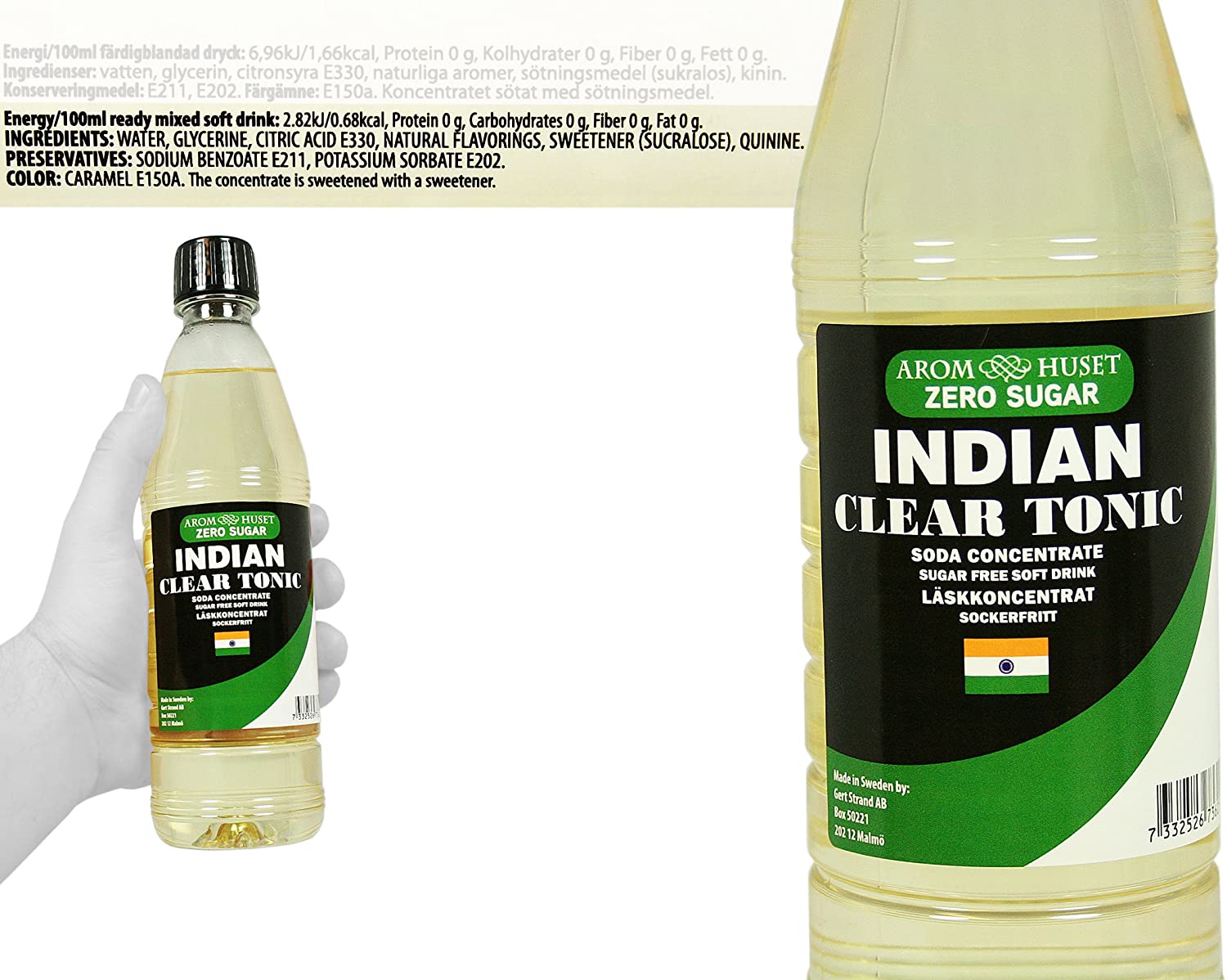
Just had the chance to refresh our drink selection with Aromhuset’s Zero sugar Indian Tonic Soda Syrup Concentrate. It’s a cinch to create your own unique tongue-tingling tonic by adding an ounce of this clever concentrate into sparkling water.

Aromhuset

What’s more, it’s sugar-free! That’s right, skip the calories and indulge in a healthy, vegan drink at just 4kcal/100ml, thanks to the sucralose ingredient. The other benefit is its ability to make a wonderful tonic that this concentrate is also able to work great in baking, cocktails, and even in giving a fresh twist on ice creams.

We loved the ease of a bottle this small delivering a whopping 12.5 millilitres worth of the tonic. However, we found the flavor quite potent and a careful approach to your dosage might be needed for certain tastes. It’s a true quinine aroma, but it could overwhelm you, so starting with lower amount and then increasing it according to your personal preferences might be the best route.

Essential Takeaway

If you’re looking for a homemade tonic with no sugar rush Aromhuset’s Zero Sugar Indian Tonic Soda Syrup is a good bet.

Although the flavor may be difficult for some people, its sugar-free formulation and the incredibly wide range of uses are definitely advantages.

Peruse the diverse Aromhuset Zero Soda concentrate collection on Amazon across the EU and UK by clicking here for a world of flavors.

An overview of the Zero Sugar India Tonic Syrup Concentrate

We’ve had the chance to try out the Zero Sugar Indian Tonic, made by Aromhuset and it’s been quite an experience for us. At first, we were at times skeptical about idea of a tonic without sugar However, this concentrate has completely won us over. It was immediately apparent its ease of use. Just 40ml of it into the litre of fizzy water, and you’ve got a wonderful tonic that’s ready to amaze your taste and taste buds.

It’s an icy invigorating flavor to our favorite drinks, but without guilt. It’s low in sugar and contains just 4kcal per 100ml. It’s an ideal choice that we can all be mindful of our consumption of sugar. Plus, it’s versatile! We’ve not only enjoyed it as a classic cocktail but also tried the addition of it to our cocktails. Even when we made Ice creams, the flavor was a hit.

For the flavor It has a sophisticated bitterness you’d expect from a premium tequila, thanks to the quinine ingredient. Some of us found that the quinine was a little too overpowering for us by tweaking the ratio, we sorted it out, and we ended up with a flavour that made our homemade tonics like the ones you find at a fancy bar. There was a range of reactions, with some saying it was over intense or did not hit the right note, but the overall consensus in our group is that this is a fantastic choice for anyone wanting to recreate that classic tonic flavor.

What’s more, it’s cost-effective. From the 500 ml bottle, we made more than 12.5 Liters of beverages. It’s a fantastic value in our book! It’s been an absolute pleasure to have this on our table, especially as a fizzy alternative that isn’t slack on flavor. We’re all for it!

‘Convenient and Charming Preparation

Our latest experiment was the Aromhuset Indian Tonic concentrate, and it’s easy to transform our sparkling water into a refreshing drink. Adding 40ml of the syrup to a litre of sparkling water leaving us with a lively, sugar-free cocktail which perfectly complements a health-conscious lifestyle. It’s also diabetic-friendly. vegan, it’s a fantastic choice for nearly everyone at the gathering.

In addition, it’s not only for drinks! We’ve tinkered with the idea, and this syrup has been used to enhance many dishes, from adding flavour of our cakes to giving our ice creams delicious twist. It’s a huge win whenever we’re able to get 12.5 tons of tonic out of a single bottle. Quinine is a subtle bitterness that makes it distinct from other brands available in stores.

It was our experience that a tiny bit does a lot, because of the strong taste. It is possible to adjust the amount of flavor according to taste. could create a perfect blend for those who find it to powerful. This has been a fabulous solution that is easy to add to your pantry.

Refreshing Taste Experience

We recently had the pleasure of trying Aromhuset’s Zero Sugar Indian Tonic and was intrigued by the promise of a sugar-free mixer with a great taste. What an exciting surprise! Its flavor is distinct bitter with that quintessential quinine sensation, providing an authentic experience with tonic compared to most sugar-laden options.

Even so, not everything was suitable for us. We did find the quinine scent too overpowering. It’s worth noting that tiny amount goes a long ways for this syrup. We recommend starting with less than the recommended amount and then altering to taste. A few felt that its flavor is not up to par but it was not as effervescent as one would expect of a traditional tonic.

In the end, the ability to control and regulate the strength of the flavor is a plus, and in the right mix the way we did, we got this refreshing drink with an underlying complexity that lifts it from a simple fizz. It’s a great method to take pleasure in something bubbly and delicious without the guilt associated with sugar, just remember, it’s a at-home taste that might not make the perfect drink for everyone.

Health-Conscious Choice

We’ve had the pleasure of trying Aromhuset’s Zero Sugar Indian Tonic and it’s a resounding success for people who are trying to control their sugar intake! Finally, a syrup that allows us to indulge in traditional tonics without guilt. At just 4 calories per 100ml., even those with diet restrictions can participate in on the enjoyment. Since it is sugar-free and sweetened with sucralose, the syrup is a fantastic alternative for those with diabetes and those who are following a vegetarian diet.

We’ve observed that putting together the perfect cocktail is an art art. The quinine’s aroma is rich with the distinctive bitter tonic taste that people love However, some of us noticed it to be a bit overpowering. In adjusting the amount of alcohol added to the fizzy water, we’ve made pleasantly balanced drinks. Our sodastream has been working it to work, making homemade beverages that dance on the palette without compromising health.

Though opinions about taste may vary, with some finding the intense quinine flavour not at all their tastes, other can’t get enough of its authentic tonic flavor and zing. It’s clear that the concentrate has a devoted following, who like its more robust flavor over store-bought options. Additionally, there is the benefit of long-lasting – a single bottle can make 12.5 Liters of tonic our shelves are now stocked with this incredibly versatile syrup. It’s a great way to save our wallets and the waste of plastic in the long-term.

Achieving Versatility to the Fullest

We’ve found that Aromhuset’s Zero Sugar India Tonic Syrup truly excels in terms of adaptability. We can use it to shake our bar at home with a balanced cocktail or simply want an enjoyable soft drink during a warm afternoon the syrup has proven an instant game changer.

By stepping up the charm, we can mix the syrup in a small amount of carbonated water, and we’ll have the perfect zero-sugar tonic that’s just as good as high-end brand you can find. To those of us who are concerned about our consumption of sugar this diabetic and vegan friendly label assures us that we’re drinking without guilt by drinking something that’s both delicious and complies with our dietary preferences.

Unexpectedly, this sweetener provides a boost to baking and other sweets. Just think of the possibilities and this multi-purpose syrup is there to deliver. Each bottle of 500ml is able to create 12.5 litres of fizzy drinks an exceptional value particularly considering the impressive shelf life.

Although some of us were a bit powerful and needed to be adjusted However, the general consensus is that, when used in appropriate proportions, the taste and flavor of the drinks that it produces is a pleasure.

The benefit of this syrup goes beyond glass. It’s the stepping into a myriad of food and drink adventures. Our journey with Aromhuset’s syrup has been nothing short of delightful – constantly discovering new ways to make use of it, and never running into a dead-end.

Pros and Cons

Amazon

Pros

After giving this tonic syrup a try, we’ve found some impressive positives that are worth mentioning. The first is that the flexibility it offers is fantastic. We can adjust the strength for our tonic drinks exactly according to our taste, and it’s been enjoyable to experiment by experimenting with the various options this permits. This syrup is not only useful for making fizzy drinks This syrup is also great for our culinary pursuits, adding the extra flavor to baked treats and ice creams.

Another plus is its health-conscious product – which is great for our diabetic friends and anyone else who has to be mindful of their sugar intake. With this syrup, we’ve managed to enjoy our favorite beverages and not feel guilty about it. And on top of that the quantity is generous; with just one bottle we’ve made over 12 litres of tonic water. It’s an absolute money-saving option!

Cons

Its recipe Indian Tonic is over a century old and has been adapted to be sugar-free. This original Indian Tonic is characterized by strong bitterness with subtle hints of citrus. In the end, many customers opt to drink just 50% of the recommended dosage because of its strong flavor taste.

However, it’s not all been fizz and bubbles. Certain of us have noticed the taste can be rather shaky Although the bitterness of the drink is authentic and much appreciated by those who appreciate tonic, but for others, it’s a little overwhelming. The balance you strike is crucial, and it might require a few tries in order to achieve it.

Some of us have noticed the quinine taste to be stronger than we anticipated, however, it’s not quite in tune with the popular brand names we’re familiar with.

We conclude that, even though our experience has been on the positive side and we encourage new users to approach with care – you may have adjust the mix for your own taste!

What Customers Are Saying About Zero Sugar Indian Tonic Soda

We’ve been enjoying Aromhuset’s Zero Sugar Indian Tonic and we’re glad to report that it’s created quite various feedback from us as well as fellow enthusiasts. With an average rating of 3.5 from almost a thousand scores, there’s no shortage of people who share our experience.

The advantage for many of us lies in the way to drink this sugar-free syrup. It transforms our carbonated water into an icy, refreshing beverage. The difference in taste between traditional tonics like Schweppes or Fever Tree is palpable, because of the bitter quinine flavor we’ve grown to appreciate.

There are many satisfied customers who utilize this Indian tonic to mix with gin for a wonderful cocktail. The results are usually said to be great, without a bitter aftertaste due to sweeteners such as for example acesulfame. cyclamate. aspartame. This is a flavor that may become more pronounced when alcohol is present.

We all felt it was a bit strong, however, once we learned to alter the ratio of mixing to make it more enjoyable, it became a staple when we made our own concoctions. There’s no doubt that there were a few people who thought the quinine’s flavour was too overpowering, but isn’t an intense taste typical of a real tonic?

We’ve been through a couple of critiques of the flavor’s depth or in other words, the lack of it. Some people have described it as being flat. Many of us do not agree with this opinion, but we always appreciate the honesty.

Positively, the simplicity of use and the shelf-life of the syrup after opening has attracted a lot of new converts. However, there have been instances where other customers haven’t received a glass of satisfaction as they express a sense regret.

We’re still incredibly excited about this flavor, considering it adds a fresh zing to our sugar-free lifestyle. It’s been a hit-and- fail affair, but isn’t it the joy of trying new foods?

Zero Sugar Indian Tonic Soda Wrap-Up

Sincerely, we’ve found Aromhuset’s Zero Sulfur Indian Tonic Syrup to be a an polarizing addition to our bar setup. We’ve experimented with different products that are sugar free to complement our favorite fizzy drinks and coming across this particular concentrate made us feel like we had found a gem. The glass we used fizzed up with the concoction, which had pleasant bitter undertones, that evoked a premium tonic experience. It seems to hit the mark more than a few products which we’ve tried. Especially with its more authentic quinine taste.

However, it’s vital that you strike the right balance Too much and you’ll end up with the quinine’s taste overpowering. Some of us think it’s little too strong for tastes, whereas others enjoyed the depth it brought to their homemade refreshments. And let’s not forget the convenience: one bottle produces 12.5 litres. That’s quite a number of tonics in such an insignificant syrup!

Despite its mixed reviews, we’re ecstatic to have an alternative for those with a sweet tooth that’s convenient to use and storage. If you’re willing to go through a bit of testing and experimenting to find the best recipe for your drink mix, this syrup could be a good choice for your drinks mixing adventure.

Frequently asked questions

Once we’ve gotten our hands on an innovative product, the questions are bound to arise. Zero sugar tonic water is no issue, and we’ve enjoyed the pleasure of playing with Aromhuset’s Zero sugar Indian Tonic Soda Syrup. Let’s explore some typical curiosities, and share what discoveries we’ve made.

What remarkable benefits can we take advantage of drinking zero-sugar tonic water?

One cannot help but be amazed at the incredible health benefits offered by an all-natural tonic with no sugar. Soak in the joy of taking pleasure in your favorite fizzy drink without guilt about sugar. It’s a boon for those tracking calories or controlling cholesterol levels. In addition, quinine provides that typical bitterness to the cocktail which may aid in digestion. We were delighted to drink something that’s both waistline and tastebud friendly.

What can a dazzling zero sugar Indian tonic delight the taste buds more than traditional tonics?

It’s quite the feeling, in all honesty! Absence of sugar can lead one to suspect that it lacks flavor, however it’s a clear fresh, crisp backdrop for that distinctive quinine flavor to shine through. A regular glass of tonic water typically overwhelms the subtle flavors of good spirits, however this lighter version dances in the mouth by enhancing instead of masking. Each sip brings forth a delicate, subtle complexities.

What are some amazing ways that you utilize zero sugar syrup beyond the classic G&T?

There’s no limit to the possibilities we’ve discovered when using this bitter-tasting syrup. A splash in your baking, for instance in a zesty lemon cake, provides a surprising twist. We even experimented with non-alcoholic mocktails. The syrup was the icing on the cake of the party – a stir in herbal teas or juices and you have yourself custom-made concoction.

What are the wonderful ingredients that compose a zero sugar tonic water, and do they have any benefits?

The recipe is straightforward, but very beautiful indeed. Quinine is still the main ingredient, offering the perfect tonic flavor and the power of modern sweeteners like sucroflavin ensures that the blend is sugar-free while not sacrificing sweetness nor causing an off-taste. This blend doesn’t just deliver on taste but aligns with healthy lifestyles. It’s always a plus when we say.

Can you recommend the best syrups with zero sugar which will bring a spark your party?

Apart from our favorite player from Aromhuset and the rest of the market, there are some other players with the potential to please your palate. Monin Zero Calorie Natural Sweetener can be used beautifully with a range of flavours for custom-made creations. Jordan’s Skinny Mixes have a charming range that adds hints flavour, without the sugar. Having a selection on hand can ensure you’re ready for your next mixology adventure.

What are the most important things to look for when selecting the most amazing zero sugar tonic syrup that will guarantee the highest quality?

The adventures of our savoury friends have taught us a few tricks to choose the creme de the crème in tonic syrups. It is important to have a balance in flavor is crucial. Too much bitterness could overwhelm, but unbalanced flavours fail to excite.

In the beginning, test at least a half-dose; if you’re pleased with the results take a look at the halved cost as a benefit.

It is important to consider the quality of the ingredients – look for natural flavourings with no artificial additives. Also, versatility is important You want a syrup which works well with the alcohol mixers and non-alcoholic ones. We recommend sampling a few for you to choose your favorite.

In our experience, Aromhuset’s Tonic Syrup meets a number on these lines. Still, our journey through the world of tonics with zero sugar has only just begun. Have you discovered your favorite zero sugar tonic syrup?

Read More

unlocking this EU and UK Alcohol-Free Spirit Market Segmentation: Act Now for Success!

In a time where the consumer’s preferences are changing rapidly, the alcohol-free spirit market has undergone a significant change. For instance, the EU and UK famous for their extensive traditions in alcohol-based drinks they are witnessing a surge in demand for alcohol-free alternatives. To navigate this evolving landscape effectively, businesses need to be aware of the specifics of market segmentation. In this first part that we will be covering, we’ll delve into the fundamentals of what market segmentation is and look at its significance with regard to alcohol-free spirits.

What is the reason? Market Segmentation Matters

Market segmentation is a method to divide a larger market into smaller segments that are more manageable that are based on certain characteristics, habits, and preferences. It is a strategic tool that enables businesses to adapt their products and marketing efforts to suit the specific requirements of the particular segment. Market segmentation is a crucial factor:

  1. Markets that are targeted: With the help of identifying specific specific groups of consumers within the market, businesses can create targeted marketing campaigns that resonate with the unique preferences and demands of every segment. This results in more effective advertising strategies and higher conversion rates.

  2. Customer Customization The understanding of various market segments allows companies to develop items that cater to the preferences and desires of the various groups. This doesn’t just improve satisfaction of customers but also increases brand loyalty.

  3. Resources Efficiency Segmentation of markets helps distribute resources efficiently. Instead of adopting a single-size-fits-all approach, businesses can focus their resources in areas that have the greatest potential for growth and profitability.

  4. Competitive Advantage: companies that segment effectively their market gain competitive edge. They can find gaps in the market. They can also develop unique value propositions, to differentiate themselves.

  5. Customer Retention: A customized marketing strategy and product result in higher satisfaction with customers, which, in turn will increase the retention rate of customers. A loyal customer is more likely to become advocates for your company.

The market for alcohol-free spirits is in the EU and UK

Different kinds of alcohol-free spirits

Before tackling market segmentation, it’s important to be aware of the alcohol-free spirit market across the EU as well as the UK. The market has seen incredible rise, with a growing quantity of alcohol-free alternatives available. The most prominent categories include:

  • Alcohol-Free Gins: The gin is designed to bring out the botanical essence of traditional Gin, alcohol-free gins provide the same taste and aroma, that are alcohol-free, without the sugar content. They are appreciated for their versatility in cocktails and as stand-alone drinks.

  • Alcohol-Free Whiskeys: Alcohol-free whiskeys are designed to replicate the rich and smoky flavours of whiskey that are traditional. They are ideal for people who enjoy the taste and aroma of whiskey but would prefer to stay away from alcohol.

  • Alcohol-Free Vodkas: Alcohol-free vodkas give the fresh and clean flavor of traditional vodka without the alcohol. They are incorporated into a variety of mixed drinks and mocktails.

  • Alcohol-Free Rums: Rums that are not alcoholic capture the sweetness and richness of traditional rums. This makes them an important ingredient in non-alcoholic tropical drinks.

  • Tequilas with no alcohol: These alternatives maintain the earthy hints and agave nuances found in traditional tequilas, providing a delicious base for margaritas that are alcohol-free and other drinks.

The variety of alcohol-free drinks shows the industry’s dedication to accommodating a variety of consumer tastes and preferences. As the demand for these drinks continues to increase, knowing how to segment markets becomes increasingly important for businesses who want to flourish in this ever-changing marketplace.

In the next chapter, we will examine how consumers’ preferences play an important influence on the alcohol-free spirit market segmentation, and shed light on the motives that force people to go with alcohol-free options. Let’s begin this exciting process of understanding this EU and UK market for alcohol-free spirits.

alternative

Transform Your Business with Direct Orders from Swedish Distillers’ Non-Alcoholic Range!

Understanding consumer preferences and the EU and the UK Alcohol-Free Spirit Market

In our previous segment we examined the fundamentals of market segmentation in the thriving EU and UK spirits market that are alcohol free. The second segment of our series delves into the heart of the matter and the preferences of consumers. Understanding the motivations that make consumers use alcohol-free spirits is vital for those who want to find their niche in this rapidly expanding market. Let’s set off on this path of exploration.

A Changing Consumer Landscape Evolving Consumer Landscape

Consumer preferences are at the center of any market, and the market for alcohol-free spirits is no different. The following points help to understand the changing marketplace for consumers:

Fitness and health trends

One of the major factors driving the alcohol-free spirit market is the rising trend toward health and wellness. Consumers are becoming more health-conscious seeking out products that work with their goals of well-balanced lifestyles. Alcohol-free spirits provide a solution for those who want to enjoy the tastes and social aspect of drinking, without the adverse health implications of alcohol.

Millennial Influence

Generation Y, born between 1982 and 1996, play the main influencers of consumer trends. Generation Y is more concerned with experiences rather than possessions and is more inclined to research new and healthier options, such as alcohol-free drinks. This is also a significant generation for businesses to market to.

Social Responsibility

The majority of consumers, especially those who are younger tend to be more responsible when it comes to their purchases. They are influenced by brands that are green, ethical, and socially conscious. Spirit producers that are alcohol-free and emphasize sustainable production methods and sustainability frequently resonate with these customers.

Flavor Variety

The market for alcohol-free spirits is responding to consumer demand for various flavors. There are many options available, including a botanical-infused Gin, a rich alcohol-free whiskey, or a tropical rum that is alcohol-free the range of flavors available caters to different taste preferences. This is a huge draw for people who want an element of novelty and excitement in their drinks.

Drinking Reduction and Abstinence

For individuals reducing their consumption of alcohol or avoiding drinking alcohol completely, alcohol-free spirits provide the perfect alternative. These spirits let consumers take part in social gatherings and delight in the craft of cocktails without the harmful effects of alcohol.

The most important considerations for market segmentation

Understanding the preferences of consumers is essential for segmenting the market. Effectively segmenting markets in EU and UK spirits that are alcohol-free, businesses must consider the following:

Demographics

Demographic factors such as age, gender, income level and place of residence play a crucial role in determining the tastes of consumers. For instance, younger consumers might be more prone toward novel flavors, while older people might prefer health benefits.

Lifestyle

Lifestyles of consumers greatly impact their choices. The people who lead active lives might be looking for energy-boosting or low-calorie alcohol-free choices, whereas others may be looking for alcohol-free drinks to enjoy a relaxing evening at home.

Special occasions

Every occasion calls for different drinks. Companies should think about how their customers consume alcohol-free spirits – be it for social gatherings, celebrations or for personal enjoyment – and then tailor their strategies for marketing for the event.

Taste Preferences

Flavor profiles matter. Some consumers prefer Gin’s botanical flavors, and others prefer the smoky sweetness of whiskey. Segmenting the market based on personal preferences lets businesses identify specific niches and markets.

Values and Ethical Factors

Consumers increasingly support brands that are in line with their values. Companies that support ethical sourcing or sustainability as well as responsible production can be a good fit with socially conscious consumers.

By taking these considerations into consideration, companies can come up with targeted marketing strategies, design products to meet specific needs of consumers and establish a substantial position in both the EU and UK the alcohol-free spirit market.

In our next installment we’ll go into the competitive landscape of this industry as we explore the major players and strategies that are shaping the future of this industry. Be sure to check back for information on how to distinguish yourself in this highly competitive market.

Strategies for Creating a Winner in your EU as well as the UK The Alcohol-Free Spirits Market

Welcome to the final installment of our travels through and through EU and UK alcohol-free spirit market. In previous articles in this series, we looked into the different segments of the market and consumers’ preferences by revealing the complex terrain that businesses have to navigate. It’s now time to discover how to develop an effective plan of action in this fast-growing industry.

Knowing the Competitive Landscape

Before diving into the development of a strategy it’s essential to comprehend the landscape of competition. The market for alcohol-free spirits is vibrant and competitive, with a myriad of players looking to capture the attention of consumers. Here are some crucial perspectives on the state of competition:

Market Growth

The alcohol-free spirit market is undergoing a rapid growth and new brands are entering the market on a regular basis. As consumer demand continues rise, competition is increasing which makes it crucial for businesses to distinguish themselves.

Established Players

A number of established companies dominate the marketplace, and have solid brand recognition and loyalty. They have set the benchmark in terms of quality and taste, making it challenging for newcomers to make it through.

Niche Players

Niche players have achieved success by catering to specific market segments or offering distinct flavor profiles. They typically succeed by providing solutions to unmet needs in the market.

Crafting Your Unique Selling Proposition (USP)

To stand out in this market, businesses must come up with a compelling Unique Selling Proposition (USP). Your USP is what distinguishes you and helps consumers decide to purchase your alcohol-free spirit over the rest. Here are some ways to consider:

Flavor Innovation

In a market driven by diverse taste preferences, innovative flavor profiles can be game-changing. Make use of unique botanicals infusion methods, and organic extracts to make unique offerings.

Health and Wellness Focus

In light of the increasing awareness about health among consumers, emphasizing the health benefits you can get from your alcohol-free spirit could be an effective USP. You can highlight sugar-free, low-calorie and natural ingredients.

Sustainability and ethics

Consumers are increasingly buying from brands that emphasize sustainability, ethical sourcing, and a responsible production. Your brand should demonstrate your commitment and dedication to these ideals in your packaging and marketing.

Marketing and branding

Effective marketing and branding are crucial. Develop a branding identity that is recognizable to your intended audience and tells an engaging story. Consider investing in appealing packaging that communicates your company’s values.

Collaborations and Partnerships

Create partnerships with influencers restaurant owners, and even event hosts to increase your reach. Strategic partnerships can help you introduce your brand to a greater crowd.

Specific Marketing and Consumer Education

After you’ve identified your USP Once you’ve established your USP, it’s time for you to get serious about marketing and education. Here’s the best way to go about it:

Digital Marketing

Make use of the power of digital marketing to reach your targeted audience. You should invest in search engine optimizing (SEO) to ensure your website ranks well in search results. Utilize social media for interaction with consumers and promote your products.

Content Creation

Create informative content that informs consumers on the advantages and range of alcohol-free spirit. Blog posts, videos or infographics can aid consumers find ways to integrate your products into their lives.

Tasting Events

Hold tastings at bars, restaurants, and alcohol-free festivals. Offering consumers the chance to experience your spirit firsthand could be a convincing sales tactic.

Customer Support

You should provide excellent customer support in order for inquiries and to build trust. The responsive and knowledgeable customer service can transform potential customers into loyal advocates.

In the next segment we’ll look at distribution channels and ways to effectively get your products in the hands of consumers. Follow us for updates on expanding your market presence and making your alcohol-free spirit open to a wider consumer base.

alcohol

How to navigate distribution channels: Getting Your Alcohol-Free Spirits to the Consumers

As we’ve explored in the EU and UK alcohol-free spirit market, we’ve explored market segmentation consumer preferences, and crafting an effective Unique Selling Proposition (USP). The next step is to turn our attention to the equally crucial aspect to success: distribution channels. How can you efficiently get your alcohol-free drinks into the hands of eager buyers? Let’s start by diving in.

Understanding Distribution Dynamics

Before deciding on a distribution strategy it’s important to comprehend the nuances of the alcohol-free spirit market. Here are the key facts about the current distribution landscape:

Traditional Retail

Traditional retail channels, like supermarkets and liquor stores, are traditionally the main sources of distribution for alcohol. However, the landscape is changing as consumers look for healthier alternatives.

Online Retail

E-commerce has revolutionized the supply of spirits that are alcohol-free. Platforms online allow consumers to explore a multitude of options, which makes it a promising option for brand new companies.

Specialty Stores

Specialty stores catering to health-conscious buyers or those seeking products with a unique appeal have become an important distributor. Take into consideration partnering up with these retailers for reaching particular markets.

Restaurants and bars

Bars and restaurants serve as a vital part in introducing consumers alcohol-free spirit. Establish partnerships with establishments so that they can incorporate your product on their menus.

Writing Your Distribution Strategy

Once you’ve got an understanding of distribution dynamics and the importance of distribution strategies, let’s devise a winning distribution strategy:

Multi-Channel Approach

Look into a multi-channel distribution method to reach a wider customer base. Mix traditional retail, ecommerce, and specialty stores to increase your market presence.

Online Presence

Invest in a solid online presence. Create a simple and user-friendly eCommerce website where customers can browse, purchase, and learn more of your offerings. Optimize your website so that it is search-engine friendly (SEO) for improved online visibility.

E-Commerce Partnerships

Discover partnerships with leading marketplaces for online shopping, like Amazon or alcohol-free spirits marketplaces. These platforms have built-in audiences eager to discover new products.

Wholesale Partnerships

Distribute or partner with wholesalers specializing in alcohol-free beverages. Established networks can assist you in bringing your product to an even wider array of retailers.

Direct-to-Consumer (DTC)

Explore a Direct To Consumer (DTC) method, in which you market your alcohol-free spirits directly to consumers through your website. DTC allows for higher earnings and more satisfying relationship with customers.

Regulatory Compliance

To be successful in the alcohol-free spirit marketplace also involves compliance with legal requirements. Make sure your product is compliant with all legal standards, and then obtain the necessary permits and licenses to distribute.

Consumer Education

Informing customers about your products is essential for the success of distribution. Use these strategies to help:

Informative Website

Create a site that contains precise information on products, cocktail recipes, and of course, frequently-asked concerns (FAQs). This can assist customers in making educated decisions.

Tasting Events

Participate in tastings at different distribution points, giving consumers the chance to sample your alcohol-free spirits. They provide hands-on learning and foster brand loyalty.

Social Media

Utilize social media platforms for engage with consumers and share information to inform them about how to make use of your products.

Presenting the Next Section The Main Goal is to maintain market relevance.

When we conclude this segment on distribution channels, we need to note that getting your alcohol-free spirit into the consumers’ hands is only the beginning. In the next section we’ll be discussing strategies for ensuring market relevancy and continuously meeting evolving requirements of the consumer. Watch this space for insight into product innovations and how to stay ahead of your competitors.

Maintaining Success: Navigating the EU and the UK Alcohol-Free Spirit Market – Part 5.

Welcome to the conclusion of our extensive series on The EU and UK alcohol-free spirit market. In this final article, we’ll take a look at the key factors of ensuring the market’s relevance and summarize the most important lessons from our travels. So, let’s get started on this final stage of our exploration.

Staying Ahead of the Game Through Innovation

The market for alcohol-free spirits is advancing and change, staying ahead technological advancements is essential. Here’s how to innovate for a more relevant market:

New Product Development

invest in research and development to come up with innovative alcohol-free spirits that cater to changing consumer preferences. Develop unique flavors along with ingredients and packaging to draw attention from consumers.

Health and Wellness Focus

Highlight the health and wellness aspects of your products. Focus on the benefits of nutritional supplements, natural ingredients, and how your alcohol-free spirits can be a part of a balanced and healthy lifestyle.

Sustainable Practices

Utilize sustainable practices in your production and packaging. Eco-friendly alternatives resonate with eco aware consumers and could set your brand apart.

Marketing and branding

Effective branding and marketing are pillars of sustained achievement. The following are some strategies to consider:

Storytelling

Let your brand’s story be heard through engaging content. Let your audience know about the journey, values, and mission behind your alcohol-free spirits in order to reach out to consumers on a more intimate level.

Collaborations with Influencers

Partner with influencers in Health and Wellness or mixology fields. Their endorsement could increase your reach, as well as boost your credibility your target market.

User-Generated Content

Encourage consumers to discuss their experiences with your brand on social media. The content created by customers can generate an atmosphere of community and authenticity of your brand.

The industry is adapting to changing consumer preferences

Trends in consumer behavior are constantly evolving. In order to stay relevant, monitor and be aware of these trends:

Wellness and Health Trends

As health-consciousness grows, align your products to wellness trends. Offer sugar-free, low-calorie or alcohol-free, functional spirits to meet the demands of customers.

Cultural Celebrations

Take advantage of cultural celebrations and holidays. Cocktails and special drinks can be created made for these occasions to make the most of seasonal demand.

Review of Our Journey

Through this series, we’ve walked an intricate web of EU and UK market for alcohol-free spirits. Let’s summarize the key points from each piece:

Article 1: Market Segmentation

Understanding your customer’s needs and segmenting your market is vital to succeed. Discover niches within the alcohol-free spirit market in order to design your offerings efficiently.

Article 2: Creating a Strong USP

Crafting a Unique Selling Proposition (USP) helps differentiate your brand. Define what sets your alcohol-free spirits apart, whether it’s quality, taste, or sustainability.

Article 3 Distribution Channels

The ability to distribute your product effectively is essential. Use a multi-channel approach. invest in e-commerce and consider partnerships that can reach an even larger audience.

4. Regulatory Compliance and Consumer Education

Respecting regulations is an absolute requirement. Educate consumers about your products through informative sites, tasting events and also through social media.

Article 5: Maintaining Success

Innovation, branding, and adaptation remain the keys to success. Keep an eye on consumer trends, pay attention to health and celebrate the cultural moment.

Conclusion

Within the fast-moving EU as well as the UK alcohol-free spirit markets, sustainable success is contingent on continuous improvement. From marketing segmentation to distribution methods, regulation compliance, and the latest innovations we’ve covered all the key aspects that make a difference in the sector.

Keep in mind that success doesn’t remain static; it’s a journey of continuous improvement and adaptation. When you’re flexible, savvy to the needs of consumers, and innovative it is possible to navigate the alcohol-free spirit market successfully.

Thank you for coming along with us on our journey. We hope these lessons will allow the consumer to make well-informed choices and stand out in this exciting market. Here’s to your continued success on the road to alcohol-free liquor!

Read More

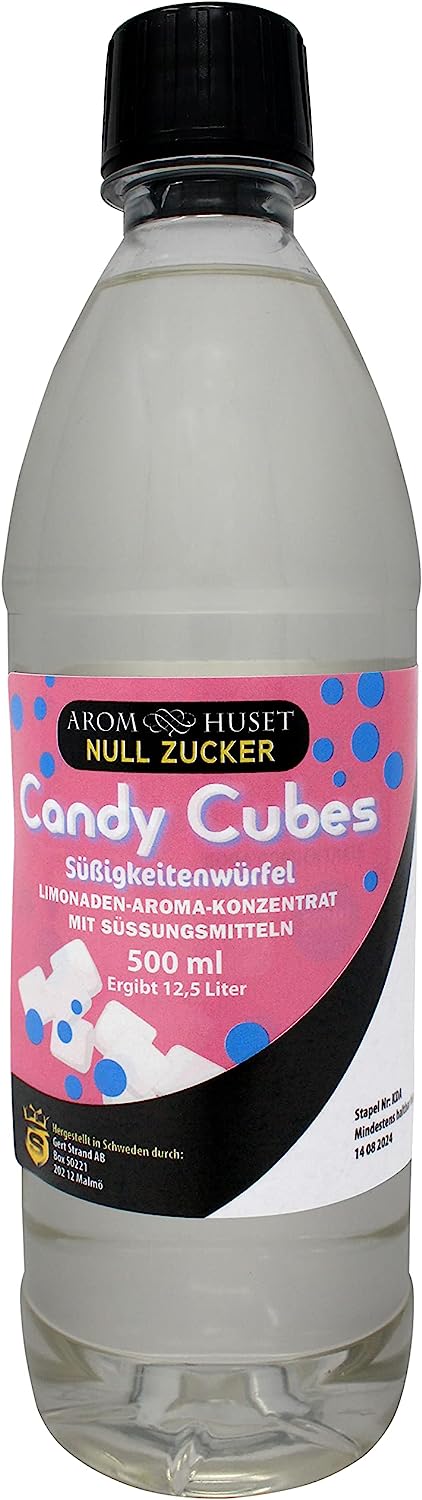
Zero Sugar Candy Cubes – Pop Soda Syrup Concentrate 500ml You can make 12.5 Liters of sugar-free, Off-Taste Free Soft Drink by flavoring the carbonated Fizzy Drinking Water

DIY Refreshing Soda Drink: Create your own Candy Cubes soda or flavoured drinks like water or a sparkling soft drink from scratch at your home. Simply add carbonated or sparkling water, and then you’ll have unbeatable aroma and a delightful taste beverage

zero

Incredibly Easy to Make: Mix 40ml of extremely concentrated sweet syrup into 1 litre of carbonated distilled water. Mix it up gently before pouring it into a glass, and voila. Enjoy it as a drink or mix it into your favourite cocktails

100% Sugar Free Achieve your cravings for taste and cut back calories since sugar is substituted by Sucralose which is 600 times more sweet than sugar. The sugar-free soda syrup solution gives you just 5 kcal in 100ml of serving. (Diabetic and Vegan compatible)

Multi-Purpose Flavoured Ingredients Zero soda concentrate a versatile product. Its natural flavoring concentrate is ideal for beverages as well being food items like dairy products, ice creams Jams, still drinks 3-12, sugar-free slush 1+17 and more.

Astonishing Value for Money: 500ml of a single bottle mg makes 12.5 Liters of fizzy drinks. In addition, the incomparable quantity and high quality are the result of our ambitious goal to come up with fresh essences and concentrate products to satisfy growing requirements of consumers. (Available In Various Flavors)

The reason to select ZERO Candies? CUBES SYRUP

Aromhuset gives you 500 ml Sugar Cubes Pop-Liquid Concentrate to make soda in your pubs, home as well as restaurants, bars among others. It’s got a rich, strong, and full-bodied taste. The concentrate is versatile and can be used as a flavouring agent, good for making drinks, soft drinks, and flavored water. Plus, it’s a great addition in various cooking applications. Aromas that are pleasing and mouth-watering flavors will surely make you bubble over with excitement.

sodastream

Products, Feasures And Benefits

Premium Taste: pure fresh ingredients that are infused with noble flavour and intriguing taste combinations

Non-Coloring, Preservative Free This does not comprise AZO colours, ingredients or preservers designed to help lead a healthier more sustainable lifestyles.

Zero Sugar does not add sugar to your diet. Children’s Favourite taste similar to the sugar candy that children eat

Used as a Mixer – employed as a mixer in Whisky, Brandy and Bitters

Advice For Use

Carbonate one litre of cold water into a bottle. Add 40ml of concentrate

Close the bottle and shake it upside down for a handful of times

Take 10 seconds to wait, and serve

After opening, store in an upright, dry spot at moderate temperatures.

Specifications of the Product

Click Here to Amazon UK and explore the enticing Aromhuset Zero Soda concentrate assortment

Ingredients: Water, Glycerine, Citric Acid, Candy Natural Flavoring, Sucralose
Calories per 100ml: 5 kcal
Quantity: 500ml
Packaging This includes bottles

Feature: No Added Sugar that is sweetened with Sweetener Sucralose

Read More

Designing your unique cocktail that is alcohol-free in the UK Understanding the Current

The world of cocktails is witnessing incredible changes, and it’s no longer just about classic mojitos and margaritas no more. A country like the United Kingdom, known for its diverse drinking culture is witnessing a surge in a fresh type of libation, alcohol-free cocktails. This is the beginning of our series that will focus on the making of signature cocktails with no alcohol in the UK we’ll explore the growing popularity of alcohol-free cocktails as well as their increasing demand.

The ever-changing beverage landscape

The drink scene in the UK is evolving at a remarkable pace. While traditional alcoholic beverages still remain a favorite however there’s an obvious shift in consumer tastes. The majority of people are seeking healthier, more conscious alternatives to their preferred drinks. This shift is part of an ongoing trend across the world where consumers are becoming increasingly conscious of their well-being.

One of most striking trends in this evolving scene is the rising popularity to alcohol-free cocktail. No matter what they are called, whether mocktails virgin cocktails or alcohol-free cocktails, these drinks are attracting the attention mixing professionals and consumers alike. Bars that do not contain alcohol are popping up across the UK with a diverse range of creative and refreshing drinks that don’t contain alcohol, which go far beyond the traditional juice or soda.

Fashion and Health Trends

The growing popularity of alcohol-free cocktails corresponds to the wider life-style and health trends across the UK. As people become more health-conscious and adopt more holistic lifestyles their drinking habits are evolving accordingly.

Alcohol-free drinks are perfect for the healthier lifestyle. They are a great way to enjoy an exquisite drink, without associated alcohol-related risks. This new trend is not restricted to people who have a zero tolerance for alcohol but as well to those who wish to savor flavorful, non-alcoholic drinks that don’t compromise their overall health.


Why is This Trend Important?

Understanding the growth of alcohol-free drinks is crucial for those who want to make your own unique cocktails. As the demands for these beverages increase, it’s becoming increasingly important that you understand the art behind mixology that doesn’t contain alcohol. In the next section, we will explore the essential ingredients and equipment needed to make unique alcohol-free cocktails, providing you with the ingredients needed to make cocktails that are delicious.

So, let’s explore the world of alcohol-free mixology and learn the secrets of making your own signature alcohol-free cocktails at home in the UK.

best

The Smart Choice for Retailers: Order Alcohol-Free Spirits in Bulk from Swedish Distillers!

Crafting Your Unique Alcohol-Free Cocktails in the UK Essentials for Mixology

We’re back with our series of tutorials on how to make signature alcohol-free cocktails throughout the UK. In this post, we’ll explore the essential ingredients and equipment you need to start your alcohol-free cocktail journey. Following the foundations established in our previous section regarding the rise of alcohol-free cocktails, let’s dive into the tools and flavors that will improve your mixology game.

The Palette of Flavors

The best part about alcohol-free cocktails is that they can provide your taste buds with a symphony of flavors. In order to create truly memorable drinks you must have a diverse assortment of flavors. Here are a few of the most important components:

1. Fresh Fruits and Juices

The main ingredient in many alcohol-free cocktails is the freshness and flavor of fruits and juices. From citrus-yet-sour fruits like limes and lemons to juicy and sweet berries, these natural ingredients bring a splash of flavor. Invest in a good juicer for the purest juice that are possible.

2. Syrups and Sweeteners

Syrups and sweeteners such as honey, simple syrup, agave nectar, and grenadine, are necessary for creating balance in flavors. They add more sweetness and depth to cocktails. Think about experimenting with syrups flavored for an additional twist.

3. Herbs and Spices

Herbs and spices such as basil, mint as well as cinnamon and ginger can elevate your alcohol-free cocktails to a higher level. They bring complexity and aroma to your drinks.

4. Bitters

Bitters are concentrated flavoring agents that add depth and complexity to your cocktails. While they typically contain alcohol There are alcohol-free versions to create similar results.

Mixology Equipment

In order to make professional-grade cocktails, you’ll require the proper equipment. These are the essential tools:

1. Shaker

Shakers for cocktails are essential for mixing the ingredients thoroughly. There are a variety of models, including the traditional Cobbler shaker or the Boston shaker.

2. Mixing Glass and Spoon

For cocktails that are stirred mixing glasses, a mixing glass as well as a long-handled spoon are indispensable. They allow you to gently blend ingredients while maintaining their quality.

3. Strainer

The strainer will ensure that the cocktails is smooth and clean of herbal shards of ice or. Consider using a Hawthorne strainer for most cocktails.

4. Jigger

Measurements that are precise are vital to uniformity in mixing. Jiggers can help you measure ingredients precisely, so that your drinks taste right.

5. Glassware

Choose from a range of glassware, such as martini glasses and highball glasses, rock glasses, and martini glasses. The choice of glass can greatly affect the appearance of your drinks.

Alcohol-Free Spirits

Traditional spirits such as vodka, gin, and rum aren’t in cocktails that don’t contain alcohol There’s a growing demand for alternatives to alcohol. Brands like Seedlip along with Ritual Zero Proof offer alcohol-free spirits that capture the essence and depth that alcohol-based spirits do.


Why are these essentials Important?

Having a well-stocked bar with a variety of tastes as well as the right mixology equipment is vital to making exceptional drinks that are alcohol-free. The right ingredients and tools can provide you with the freedom to explore and be innovative, making your drinks stand out.

In the following section, we’ll take a deeper dive into the art of creating specific drinks that are alcohol-free. The instructions will be step-bystep and creative ideas for you to explore. Get ready to mix shake, and stir your way to perfect cocktails in the heart of UK.

How to make your own unique cocktails that are alcohol-free in the UK and beyond: How-to Recipes to Impress

In the first two sections of our series, we’ve explored rising popularity of alcohol-free cocktail in the UK and the key ingredients and equipment necessary for mixology. Now is the time to put this knowledge into practice. In this section this section, we’ll give you several tempting drinks that are alcohol-free that are sure to delight your guests.

The Citrus Sparkler


Ingredients:

  • 2 3 oz freshly squeezed juice of orange
  • 1 oz freshly squeezed lemon juice
  • 0.5 oz simple syrup
  • 3 oz soda water
  • Lemon twist as garnish


Instructions:

  1. Fill a highball glasses with water and ice.
  2. Then, add freshly squeezed citrus juice as well as lemon juice, plus simple syrup.
  3. Stir gently to combine.
  4. Then top with soda water and add a twist of lemon.
  5. Serve right away and enjoy the refreshing burst of citrus aromas.

Berry Bliss Mocktail


Ingredients:

  • 1/2 cup mixed berries (strawberries, blueberries, raspberries)
  • 1 oz fresh lime juice
  • 1 oz simple syrup
  • 3 oz sparkling water
  • Fresh mint leaves for garnish


Instructions:

  1. In a cocktail shaker, mix the berries.
  2. Mix fresh lime juice with simple syrup.
  3. Shake vigorously with the ice.
  4. Strain the mixture into a chilled glass filled with Ice.
  5. Serve with sparkling water, and garnish with green mint leaves.
  6. Sip and savor the wonderful flavor of citrus and berry flavors.

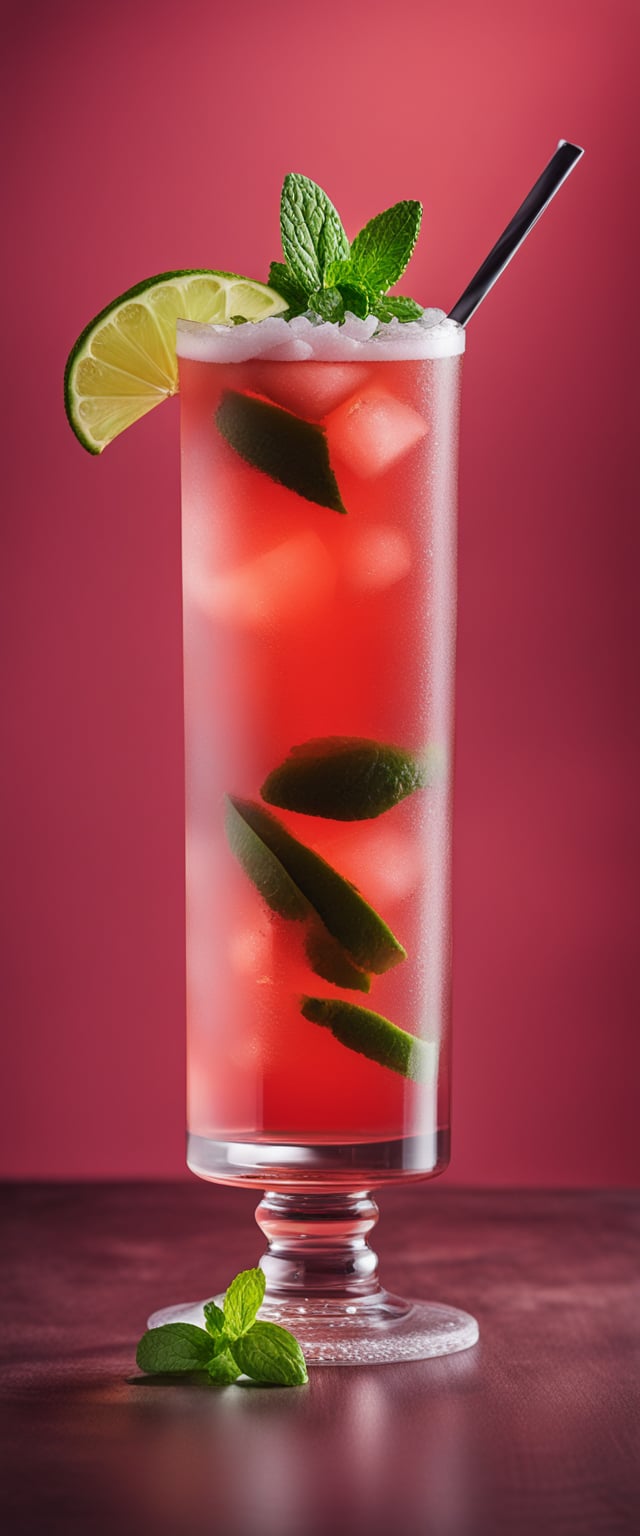
Minty Mojito Mocktail


Ingredients:

  • 6-8 fresh mint leaves
  • 1 oz fresh lime juice
  • 1 oz simple syrup
  • 4 oz soda water
  • A lime wedge and a mint sprig to garnish


Instructions:

  1. In a glass, gently stir the mint leaves that are fresh.
  2. Add fresh lime juice and simple syrup.
  3. The glass should be filled with ice.
  4. Serve with soda water, then stir with a gentle stir.
  5. Decorate with the lime wedge as well as the sprig of mint.
  6. Transport yourself to a tropical paradise with this minty delight.

Ginger Spice Fizz


Ingredients:

  • 2 oz ginger beer
  • 1 oz apple cider
  • 1/2 oz fresh lemon juice
  • 1/2 oz simple syrup
  • Slices of thin apple for garnish


Instructions:

  1. The glass should be filled with some ice.
  2. Combine apple cider, ginger beer, fresh lemon juice, plus simple syrup.
  3. Stir well.
  4. Sprinkle with apple slices to add an extra touch of elegant.
  5. Experience the spicy warmth ginger and the crispness of apple in every drink.

Lavender Lemonade Refresher


Ingredients:

  • 2 oz lavender-infused lemonade (steep the dried buds of lavender in lemonade and strain)
  • 2 oz coconut water
  • 1/2 oz honey syrup (equal parts honey and hot water, cooling)
  • A lemon wheel and lavender sprig to garnish


Instructions:

  1. Fill a glass with ice.
  2. Blend lavender-infused lemonade, coconut water, together with syrup of honey.
  3. Mix gently.
  4. Garnish with lavender sprigs and the lemon wheel.
  5. Relax in the calming scent of lavender, and enjoy the freshness of lemon.

The Next Step is to experiment

These recipes are only the beginning of your mixology journey that is alcohol-free. Be sure to try different flavors, herbs, and spices to make your own signature cocktail. In the next section we’ll take a look at the most advanced mixology techniques and provide further recipes for you to master. You’re now ready to uplevel your craft and impress your friends with your alcohol-free recipes.

best

Learning the art of alcohol-free Mixology: Advanced Techniques

As we explore the world of non-alcoholic mixology, we’ve covered the basics, examined the most important ingredients, and offered some tasty recipes. It’s time to increase your mixology proficiency further. In this segment, we’ll examine advanced methods that will transform your alcohol-free cocktail into an art form.

How to Infuse the Art of Infusion

Infusing your ingredients with the perfect way for adding depth and sophistication to your alcohol-free cocktails. Here are some suggestions to get you beginning:

  • Fruit-Infused Water You can experiment with infusing the water with fruits like strawberries, cucumbers, or watermelon. Let the flavors mix to create an enjoyable base.

  • Herb-Infused Syrups: Create unique syrups by infusing them with herbs like rosemary, basil, or Thyme. These syrups can add an extra layer of flavor to your drinks.

  • Tea and Spice Infusions: Infuse tea or spices like cinnamon, cloves, or cardamom into your mixers for a hint of sophistication and warmth.

Crafting Signature Bitters

Bitters are an essential component of many classic cocktails they can also be used to create alcohol-free versions. Here’s how:

  • In the ingredients list: You should start with a neutral, non-toxic base such as Glycerin. Add dried citrus peels as well as spices, and herbs.

  • Method: Combine your chosen ingredients in a glass jar, and let them infuse over a couple of weeks. Shake the jar frequently. Sift the mixture, and you have your custom bitters.

  • Exploring: Play with different combinations to create distinctive flavors that compliment your cocktails.

“The Art of Garnishing

A properly-chosen garnish not just improves your appearance but also enhances the aroma and flavor of alcohol-free drinks. Check out these garnishing methods:

  • Citrus Twists: Make use of a citrus peeler in order to create elegant twists of lime, lemon, or orange. These look amazing yet also help release oils from citrus as you drink.

  • Fresh Herbs: Herbs that are fresh such as mint, basil or rosemary, not only provide some color but also infuse your drink with delightful fragrances.

  • Edible Flowers: The edible flowers such as violets, pansies, or nasturtiums bring a touch of sophistication and scents of flowers in cocktails.

A Molecular Mixology

If you are a mixologist with a flair molecular techniques can give your mix a some magic to your creations:

  • Spherification: Produce tiny liquid spheres using sodium Alginate and calcium chloride. These burst in your mouth providing a blast of flavor.

  • Foaming: Get a charger for nitrogenous oxide and make foams that sit atop the drinks, resulting in an enveloping texture and distinct appearance.

Collaboration and Innovation

Don’t be shy to collaborate with mixologists from other disciplines or take part in workshops and seminars. Exploring the world of mixology alongside others could lead you into exciting discoveries and new techniques.

As you develop your advanced mixology abilities, you must be sure to keep your audience in the forefront of your thoughts. Becoming aware of their preferences, and then experimenting with new tastes will establish you as a master of mixology that is alcohol-free.

In the concluding section, we’ll sum up our experiences and provide closing thoughts. You’re nearly ready to impress your friends and visitors with your talents.

Explore the Art of Alcohol Free Mixology: A Path to Masterful Mocktails

Welcome to the grand finale of our journey through alcohol-free mixology. Over the course of our four previous articles we’ve dived into the art of making exquisite cocktails that are alcohol-free, ranging from basic techniques to the more advanced. Today, we’ll close our exploration with a look at the basics of crafting a perfect mocktail.

The essence of Mocktails

Mocktails, which are the non-alcoholic cousins of cocktails, offer delicious combinations of flavors scents, flavors, and imagination. They provide a refreshing alternative to those who aren’t able to drink alcohol, but would like to indulge in fine drinks.

The Basics Reviewed

In the meantime, let’s revisit the fundamentals to create outstanding mocktails.

  • balance: Just like cocktails and mocktails, mocktails depend on a well-balanced blend of flavors. Pay attention to the sweet, sour, bitter and umami ingredients in your drink.

  • Pure Ingredients Always opt for the freshest fruit, herbs, and juices. Freshness increases the overall quality in your cocktail.

  • Texture Matters: The mouthfeel of an drink is important. Consider the thickness, fizziness or creaminess that compliments the flavor of your choice.

This is the Mocktail Mixologist’s Toolkit

To craft masterful mocktails, you’ll require a fully-equipped toolkit:

  • Quality glassware You should invest in beautiful glassware to showcase your creations. The correct glass can help enhance the appeal for your mocktail.

  • Bar Tools Install bar tools such as shakers strainers, muddlers, and Jiggers. These tools make the mixing process efficient and precise.

  • Innovative Ingredients Investigate speciality ingredients like flavored syrups and bitters and non-alcoholic spirits to give your cocktails a more sophisticated flavor.

Crafting Unforgettable Mocktails

So, let’s go on the journey to create unforgettable mocktails that make a imprint on the guests you serve.

Mocktail Magic: Signature Recipes

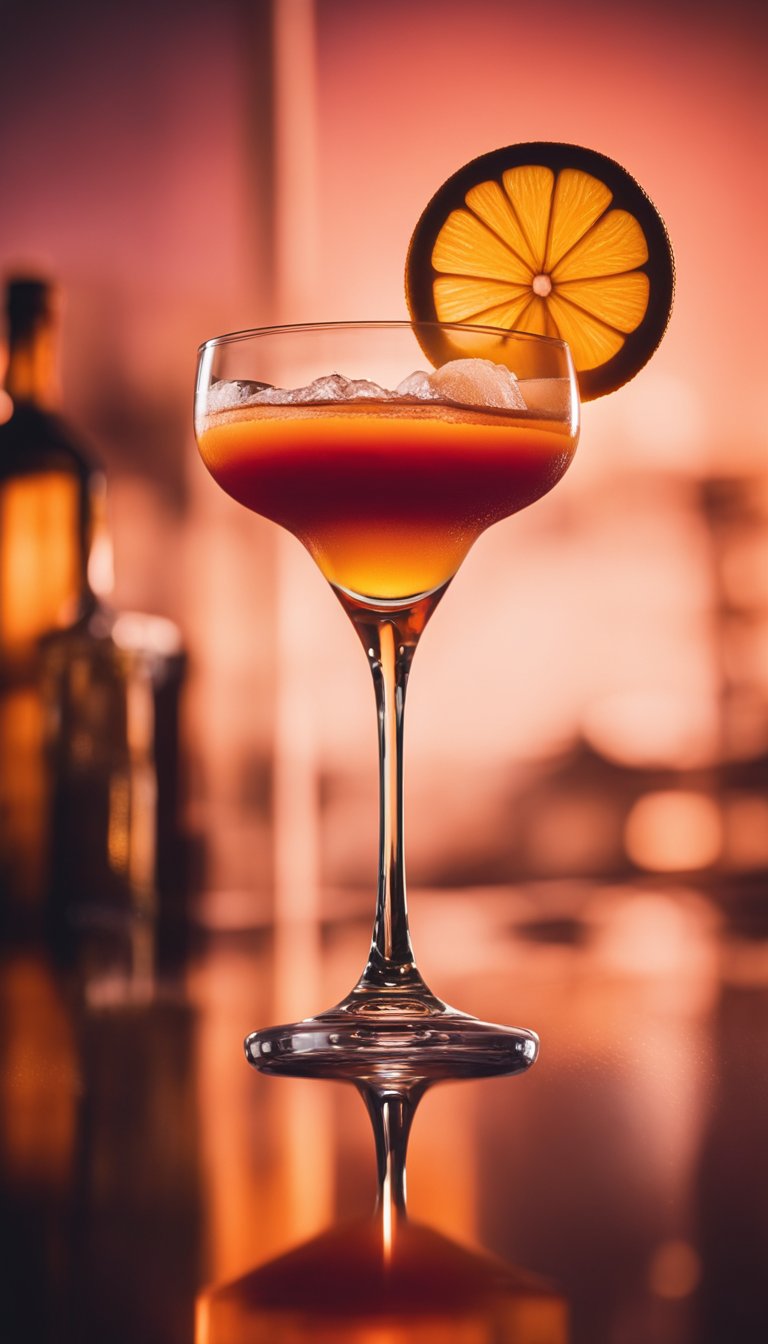
1. Citrus Sunrise Bliss


Ingredients:

  • 1 oz fresh orange juice
  • 1 oz fresh grapefruit juice
  • 0.5 oz grenadine syrup
  • 2 oz sparkling water
  • Ice cubes
  • Slices of orange and maraschino cherries to garnish


Instructions:

  1. In a highball glasses, fill it with the ice cubes.
  2. Pour the grapefruit and orange juices into the bowl with ice.
  3. Slowly add the grenadine syrup slowly to make a beautiful sunrise.
  4. Serve with sparkling water, and then gently stir.
  5. Garnish with a slice of orange and maraschino cherries.

2. Minty Melon Euphoria


Ingredients:

  • 2 oz fresh honeydew melon juice
  • 0.5 oz fresh lime juice
  • 0.5 oz honey syrup (equal parts hot water and honey that has been cooled)
  • 4-6 fresh mint leaves
  • Crushed ice
  • Mint sprig and melon ball to garnish


Instructions:

  1. Mix the mint leaves together in a shaker.
  2. Add lemon juice, honeydew melon juice and honey syrup to the shaker.
  3. Add crushed ice, and shake it vigorously.
  4. Strain into a chilled martini glass.
  5. Garnish with a sprig of mint and a melon ball placed on the stick.

Conclusion: Cheers to Your Mocktail Mastery

Through our journey into the world of mixology that is alcohol-free, we’ve learned the essentials in the field, explored cutting-edge techniques, and learned the art of making unforgettable mocktails. You’ve now got the tools and knowledge to impress your guests and family with your unique mocktail creations.

Let’s recap our five-article voyage:

  1. The basics of alcohol-free Mixology: It began with fundamentals and a thorough understanding of essential balance ingredients, and presentation.

  2. Exploring the Essential Ingredients Next, we delved deeper into the realm of vital ingredients, from fresh fruits along with herbs, syrups, and bitters.

  3. Lifting the Game of Mixology: We elevated our abilities by exploring infusions and making signature bitters, and investigating molecular mixology.

  4. The Art of Garnishing: In the article 4 we learned how you can add that final touch of elegance by using imaginative garnishing techniques.

  5. Masterful mocktails Finally, in this article, we looked at what makes a good mocktail by creating signature recipes to amaze our guests.

Now is the time to embark on your own mixology adventures. Experiment, innovate, and relish the experience of creating extraordinary alcohol-free cocktails and mocktails. Be aware that the art and science of mixology is not just about cocktails, but the memories and experiences you create each time you drink.

Let’s celebrate your mastery at mocktails and your exciting future as a mixologist of the highest caliber!

Read More
PREVIOUS 1 … 6 7 8 9 10 … 181 NEXT

Menu

  • Generating Extra Income for Small Breweries by Utilizing Existing Equipment – Featured Solution
  • Amazon UK Review: Revel in the exquisite burst of juicy freshness with Aromhuset Fruity Sensation Syrup!
  • The Tightwad’s Ticket to Distillery Ownership
  • Aromhuset Zero Sugar Passion Fruit Soda: Premium Taste?
  • Improve your lifestyle through Alcohol-Free Spirits within the UK: Your Path to Wellness Starts Now!
  • Evaluating Aromhuset Zero Sugar Lemon Lime: The Prime Candidate?
  • Web Hosting With Virtual Private Server
  • Aromhuset Indian Tonic Syrup – an essential ingredient for carbonation in the home such as Soda Stream
  • Unlocking the most popular Trends for Alcohol-Free Spirits within the UK Start Now!
  • Zero Candy Cubes Review: A Premium Sparkling with No Off-Taste?
  • The Delicious Wonderful Aromhuset Zero Sugar Concentrate of Blood Orange Soda
  • Understanding Alcohol-Free World of Flavor Without the Hangover
  • The Aromhuset Zero Sugar India Tonic Concentrate Soda Syrup
  • Web Hosting Paranormal Audio Podcasts
  • Uncovering the Future: EU Sustainable Alcohol-Free Spirits
  • EU Regulations on Alcohol-Free Drinks: A Complete Guide
  • Inquiring about the World of Alcohol-Free Spirits
  • Discover the Top Non-Alcoholic Rum Brands from the UK – Get your taste buds tingling Now!
  • The Rise of Non-Alcoholic Whiskey
  • Enjoy the flavorful with sugar-free Aromhuset Blood Orange Soda Syrup. This is a refreshing beverage without any off-tastes
  • Privacy
  • Sitemap
  • Home
  • Privacy
  • Sitemap

Powered by tyents.com